From the Archives:
Pina Carmirelli

  • Introduction
  • Timeline
  • Recordings
  • Gallery

Introduction

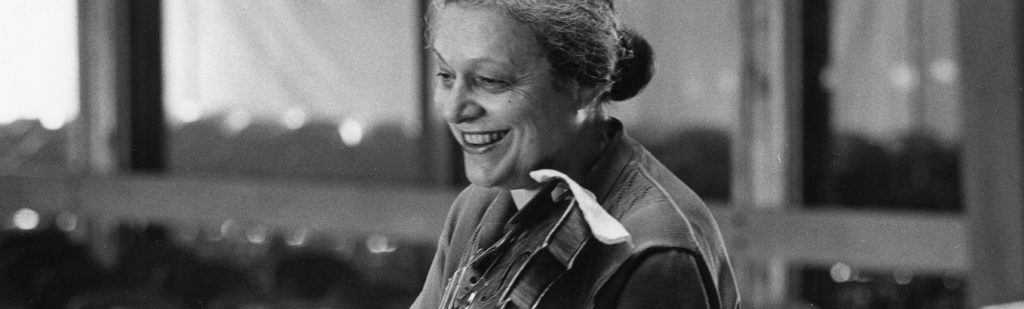
As soloist with the famed Italian chamber orchestra I Musici, Pina Carmirelli probably played Vivaldi’s Four Seasons more than any other violinist, captivating audiences around the world on tour and on acclaimed recordings. A passionate advocate for the works of Boccherini, she formed the Boccherini Quintet in 1950 with her husband, the cellist Arturo Bonucci, to share the composer’s delightful but neglected works with two celli. Four years later, she formed the Carmirelli String Quartet, deepening her commitment to chamber music while also pursuing a solo career.

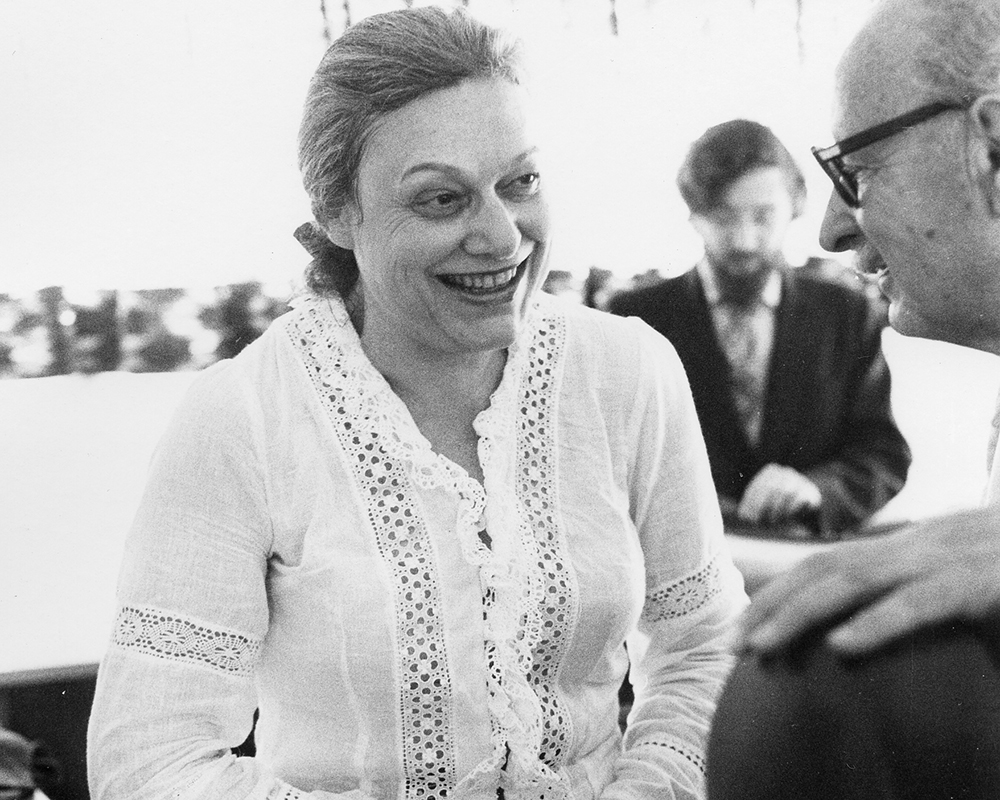
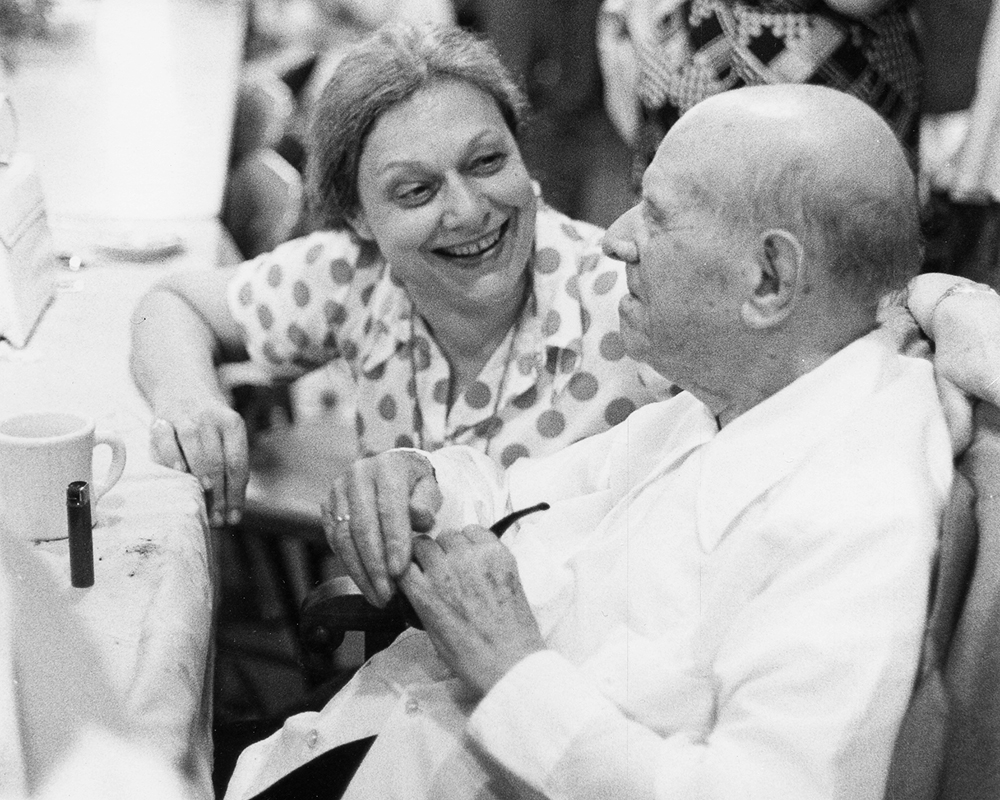
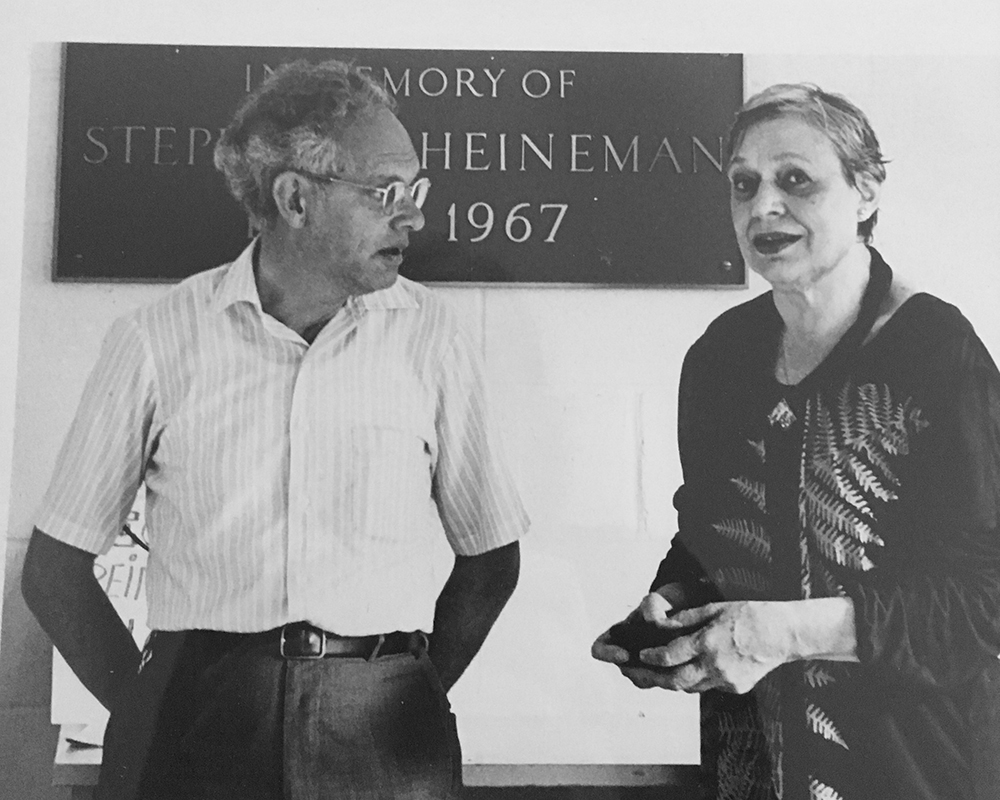
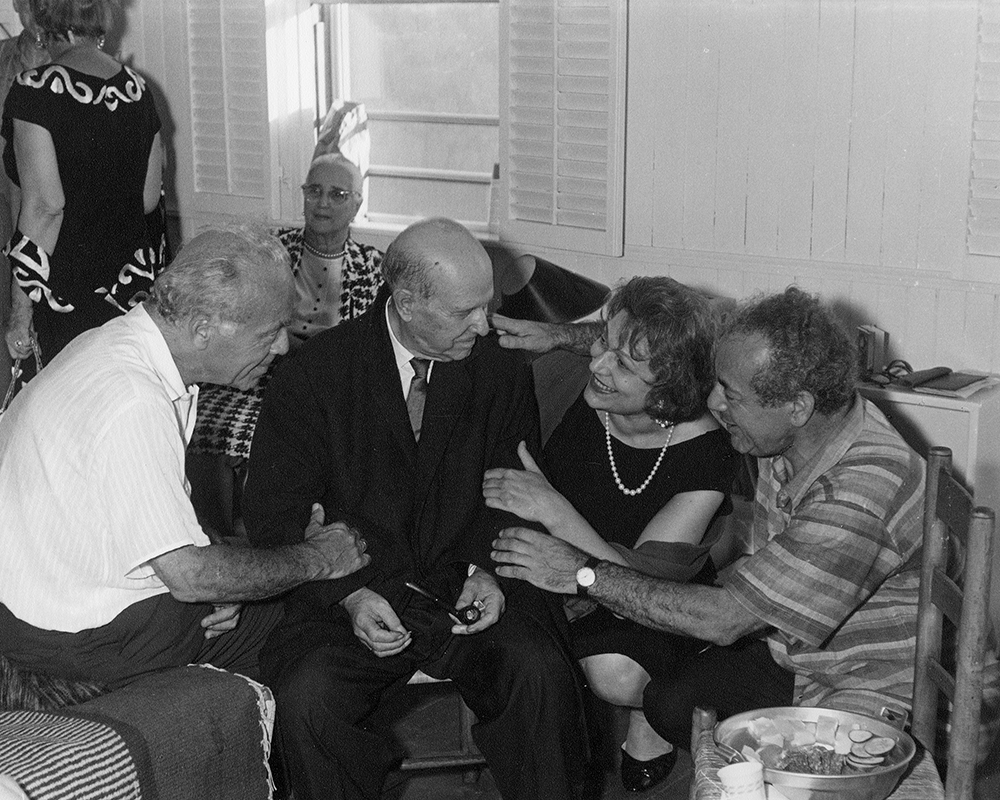
Pina Carmirelli first came to Marlboro in 1964, soon after the death of her husband. Although she participated fully, she was still very much in mourning when she arrived, consumed by sadness and always dressed in black. Halfway through the summer, I recall standing on the Dining Hall steps and seeing an unfamiliar person wearing a brightly-colored floral blouse. Not until she was 10 feet away did I recognize a transformed Pina Carmirelli. At the end of the summer when she met with Administrator Anthony Checchia, she confided that the music and community she found at Marlboro had assuaged her sorrow and made her feel part of a family again.

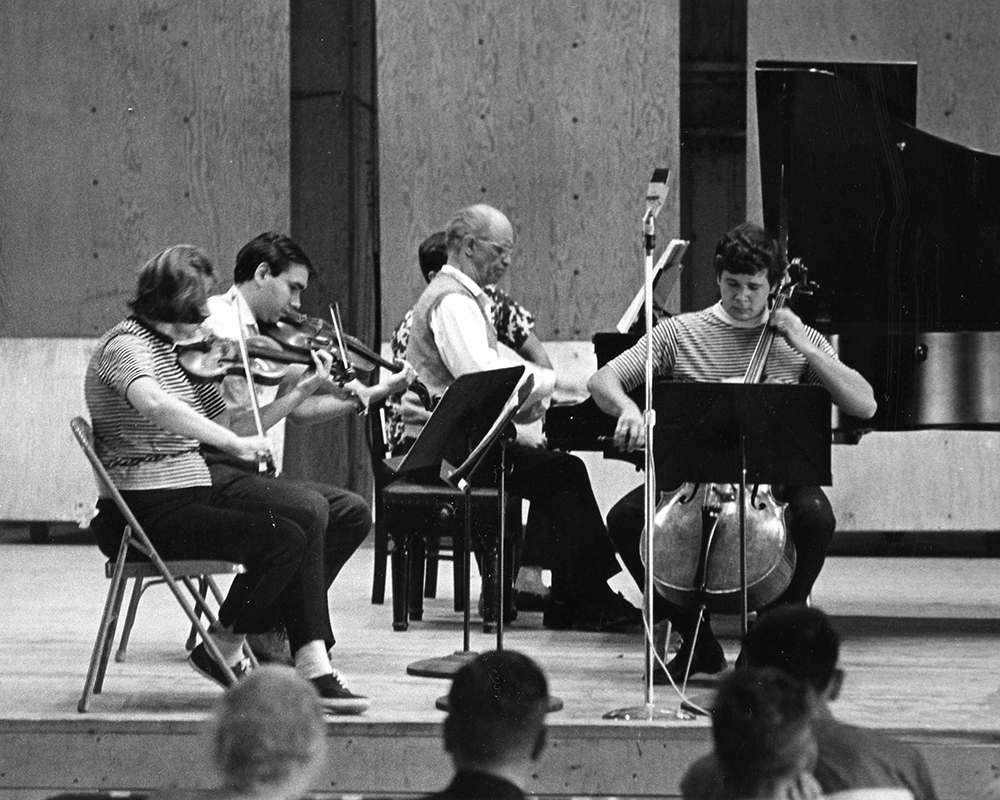
For her part, Pina Carmirelli brought a singular voice to the community with her dynamic musical presence and served as an important role model for young artists—particularly female string players. A person of few words, she, like Rudolf Serkin, spoke in rehearsals primarily through her instrument. I recall taking Katherine Graham, publisher of the Washington Post and close Serkin family friend, to a rehearsal of the Brahms Piano Quintet in which Carmirelli and Serkin both played. The only voice we heard was that of the 20-something cellist. Though reserved socially, Carmirelli was a force of nature with an instrument in her hands.

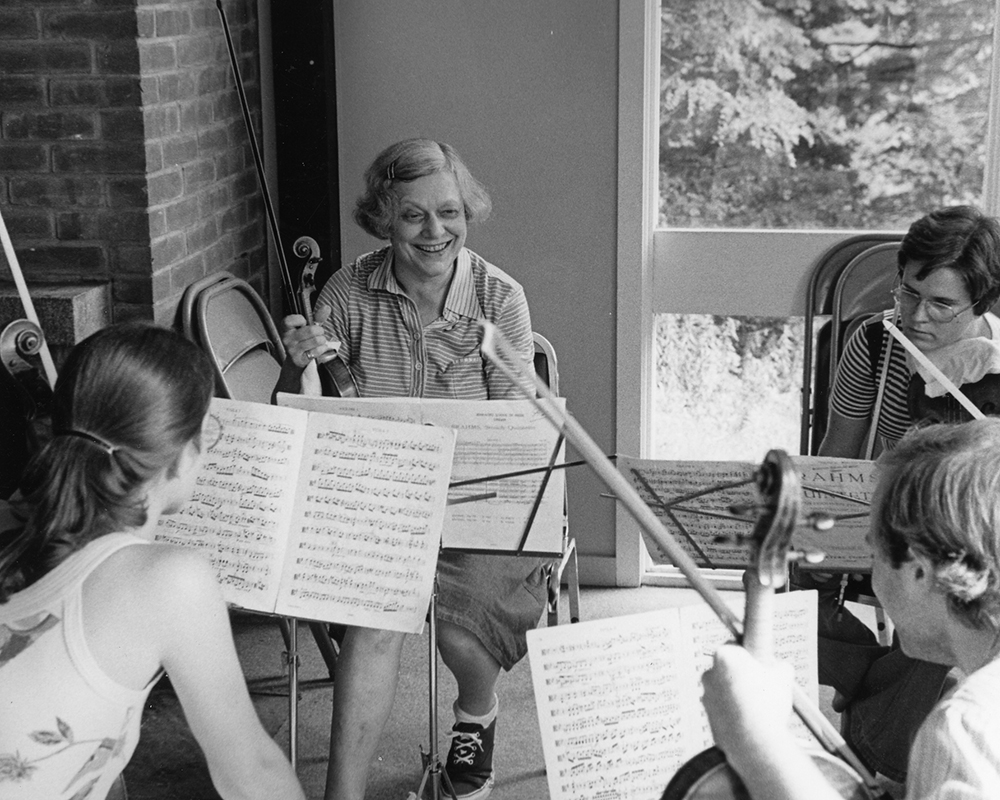
One of Marlboro’s ongoing strengths is its ability to expose exceptional young professionals to a variety of musical viewpoints, and Carmirelli was particularly generous in sharing hers. She played diverse repertoire from her very first summer at Marlboro: Bach, Beethoven, Boccherini, Mozart, and Brahms. Her big sound may not always have fit the traditional senior second violin seat, but whatever her role, she made important contributions to every group.

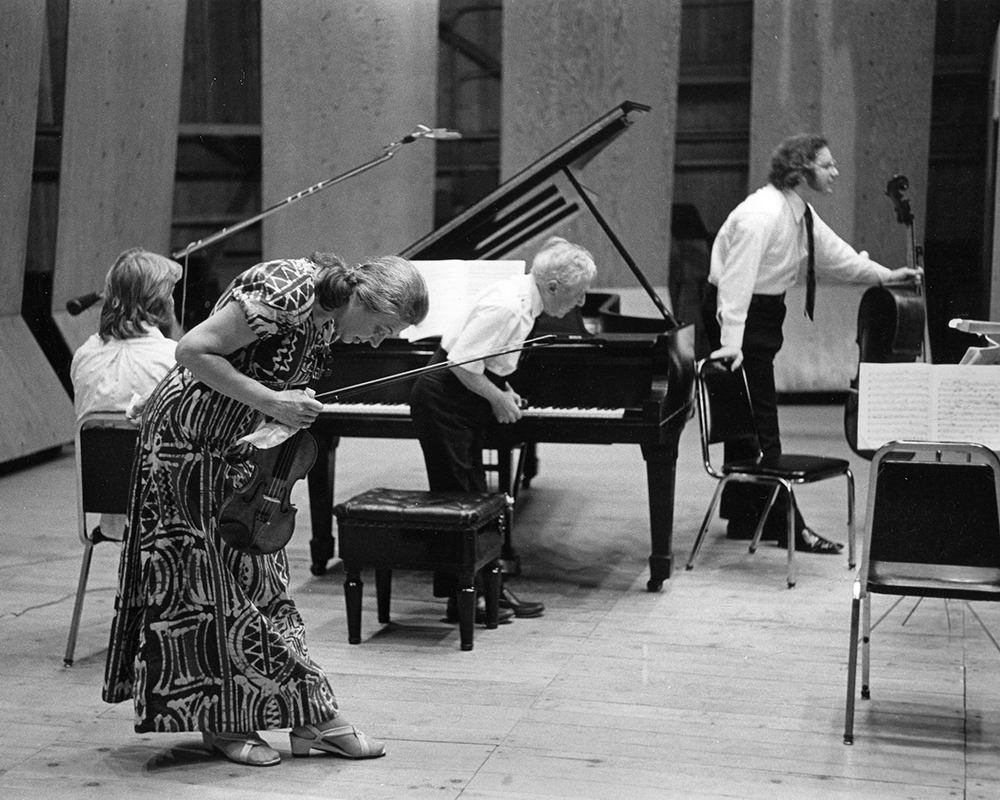
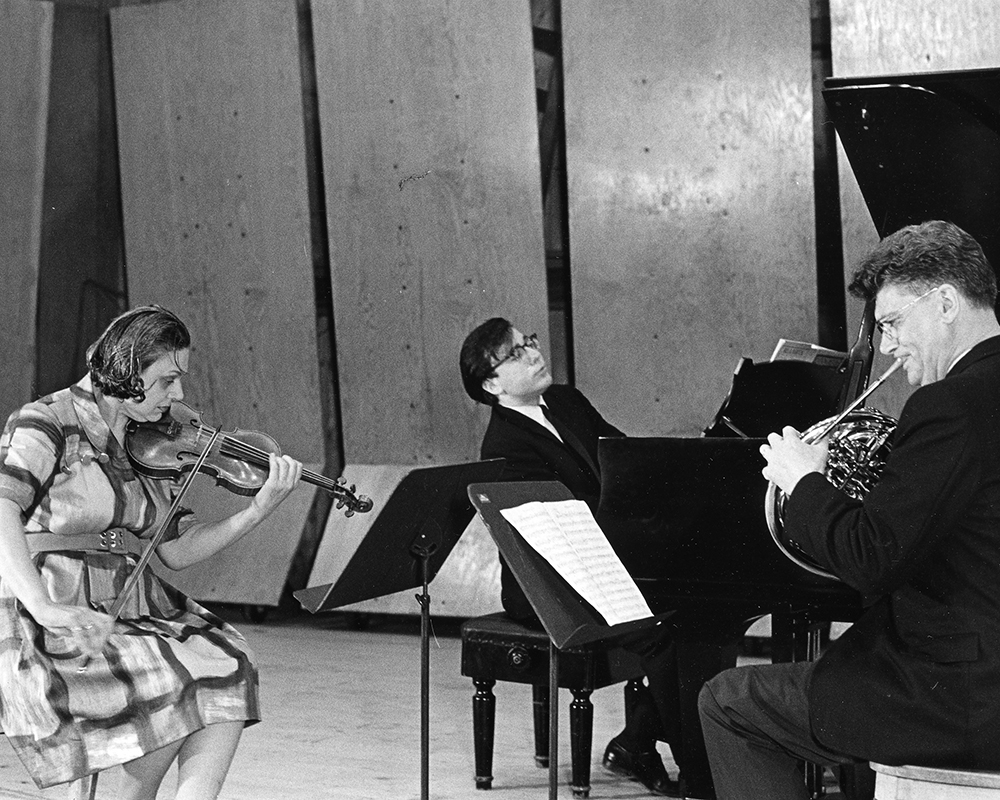
Rudolf Serkin, in fact, was so taken with Carmirelli’s playing that, in 1966, he joined her for three concerts at Carnegie Hall, playing the complete Beethoven Sonatas for Violin and Piano for the bicentenary of the composer’s birth. Serkin had only performed these works once before, 30 years earlier, with his father-in-law, Adolf Busch, whom he revered. In reviewing the opening concert of the series, a New York Times critic wrote, “The pianist was Rudolf Serkin who needs no introduction; the violinist was Pina Carmirelli, who does. But it should be said right away that she is every bit as distinguished an artist as her colleague, and the duo’s playing was one of the early delights of a season that promises a great many.”

Have a listen to the SONY Marlboro recording of the Brahms Sextet in G Major, Op. 36, and the Boccherini Quintet in C Major, Op. 25, No. 4, and you will have a good idea of the depth of Pina Carmirelli’s contribution to Marlboro.

Marlboro Trustee Luisa Saffiotti shared this illuminating interview that Allen Cohen made with Pina Carmirelli towards the end of her time at Marlboro. Luisa’s mother, Paola, a friend of the Busch and Serkin families and a former trustee herself, can be heard facilitating the interview as well.

Timeline

1914

Early Life

Pina Carmirelli is born in the northern Italian town of Varzi on January 23, 1914. Cremona, where Guarneri and Stradivari made their legendary instruments, lies 100 km to the east, and as Carmirelli visits the historic city throughout her childhood to see her music-loving uncle, Cremona becomes Carmirelli’s spiritual home. Carmerelli’s uncle fosters her love of music from a young age and, as a Wagner fanatic in the land of Verdi, introduces her to the German romantic tradition.

1919

First Studies

Carmirelli travels an equal distance to the north to begin her formal violin studies in Milan. Her teachers include Arrigo Serato and Michelangelo Abbado (father of Claudio) at the Milan Conservatory. She can trace her musical lineage back to Rodolphe Kreutzer, of the eponymous Beethoven sonata, through her teacher Teresina Tua, who studied with Lambert Massart in Paris.

1930

Musicology

At the age of 16, Carmirelli graduates and goes on to study theory and composition. Her final composition examination allots her 18 hours to write a fugue, and she finishes in only eight, passing with flying colors and earning her advanced degree at the age of 21. She continues to study composition throughout her life and single-handedly rescues Luigi Boccherini’s work from obscurity by revising and publishing his entire oeuvre for strings, volume by volume.

1937

Performance

Carmirelli’s performance career truly begins when she wins the Premio Stradivari competition in 1937, followed quickly by an early version of the Premio Paganini in 1940. Perhaps because of her musicological background, her playing is recognized as not only technically sublime, but spiritually serious. Her dedication to the music is clear from her performances: how she does everything in her power to achieve perfection.

1938

Love and War

Carmirelli finds an artistic as well as personal partner in Arturo Bonucci, a cellist and professor at the Accademia Chigiana in Siena as well as the Accademia di Santa Cecilia in Rome. Bonucci is 20 years her senior and a decorated pilot who served with distinction in both world wars. Despite his service, he is a known anti-fascist, and Carmirelli shares his political stance even though it makes it more difficult to maintain a career in Italy before and during the second world war. More felicitously, Bonucci comes from a musical family. Carmirelli fits right in and becomes close to his nephews who follow in the family tradition to become musicians and conductors in their own right.

1941

The Toscano

Carmirelli begins teaching at the Accademia di Santa Cecilia, becoming the tenured chair of advanced violin performance. The Accademia loans her its most important instrument, the “Toscano” Stradivarius. Originally commissioned as a gift for Ferdinando de’ Medici, the “Toscano” is acclaimed for its tenderness as well as depth. Its value was recognized beyond its borders, and it was traded abroad for over a century before being returned to Italy at the behest of Carmirelli’s colleague at the academy, Gioconda de Vito, and placed in Carmirelli’s hands.

1949

A Discovery

Toscano at the ready, Carmirelli joins some colleagues for a 20-concert tour in place of the Quintette Instrumental de Paris. While happy to play the selected repertoire, which is all French, Carmirelli goes to the Conservatory’s library in search of something Italian to add. She decides on Boccherini’s now iconic Fandango and arranges the guitar part for harp. By chance, it is in Paris at the end of the tour that Carmirelli discovers a pile of old books that turn out to be forgotten first editions of Boccherini’s complete works for strings. Without enough money to pay for the whole collection, she convinces the Italian consulate to make the purchase, and Carmirelli proceeds to revive Boccherini’s memory in much the same way that Casals did so many years earlier with the Bach Cello Suites.

1950

Boccherini Revival

With a stack of unknown music to read through, Carmirelli and her husband record quartets two parts at a time on magnetic wire and play back their performances to hear what each piece would sound like if it were performed by an entire ensemble. Carmirelli is enthralled by what she hears and founds the Quintetto Boccherini to bring this music to new audiences 200 years after it was first written. Without assistants, she revises and publishes Boccherini’s entire works for strings in a critical edition, volume by volume. There are 147 string quintets for two cellos and over 84 string quartets, and whenever Carmirelli plays or shares a piece of Boccherini’s, she hand-copies all the parts.

1954

Carmirelli’s Ensembles

In addition to her work with the Quintetto Boccherini, Carmirelli founds her own quartet, which records everything from Ravel to Prokofiev to Italian composers such as Giovanni Paisiello and Giovanni-Giuseppe Cambini. She later joins the chamber orchestra I Musici, in 1973, and the Quintetto Fauré, in 1979, as first violinist and maintains a particular penchant for Mendelssohn, Brahms, Berg, and Beethoven.

1964

Marlboro

When Rudolf Serkin asks family friend and Marlboro Trustee Paola Saffiotti if Pina Carmirelli would be amenable to playing chamber music, she responds, “from what I know, Rudi, she never did anything else in her life.” Carmirelli is invited to Marlboro later that year. Her husband had died in January, and the transition is difficult at first. Fellow Italian speakers, particularly the Canino and Saffiotti families, as well as Luis Batlle, welcome her into the community, and her philosophy that music is a universal language is confirmed by the 10 performances in which she takes part just that season. She is proud to introduce a Boccherini quintet to the repertoire during her first summer and subsequently brings new Boccherini pieces to Marlboro every year.

1965

Musicians from Marlboro

Carmirelli quickly becomes well integrated as a senior musician at Marlboro and is a key participant in the initial Music from Marlboro tours. She performs in a dozen or so tours herself, including a five-week tour of Israel and Europe that takes the group to Tel Aviv, Delphi, Perugia, Paris, and Geneva, among many other cities.

1966

with Serkin and Beethoven

Carmirelli and Serkin play together during her first year at Marlboro, and they continue to collaborate at the festival and beyond. Many American audience members are introduced to Carmirelli in her performance of the complete Beethoven Sonatas with Serkin in a series of three concerts at New York’s Carnegie Hall.

1975

The ex-Busch

Carmirelli is one of the first women to be named an Academician of the Accademia di Santa Cecilia. Other Academicians currently include Marlboro participants and composers-in-residence such as Bruno Canino, Sofia Gubaidulina, Gyorgy Kurtág, Yo-Yo Ma, and Krzysztof Penderecki. It is during this time in the ‘70s, however, that Carmirelli begins playing not the Academy’s Toscano Stradivarius but the ex-Busch Stradivarius. Carmirelli had been an ardent admirer of Adolf Busch but never got to meet him in his lifetime. It is Busch’s daughter Irene, the wife of Rudolf Serkin, who bestows the instrument upon Carmirelli.

1979

Boccherini Ensemble

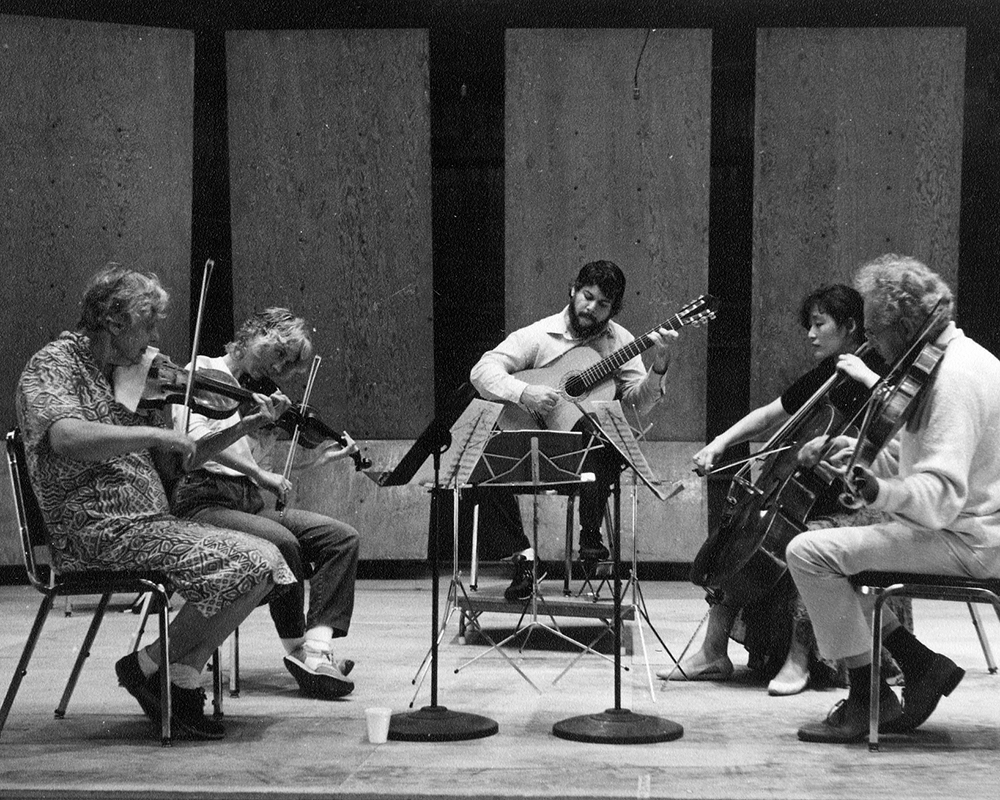
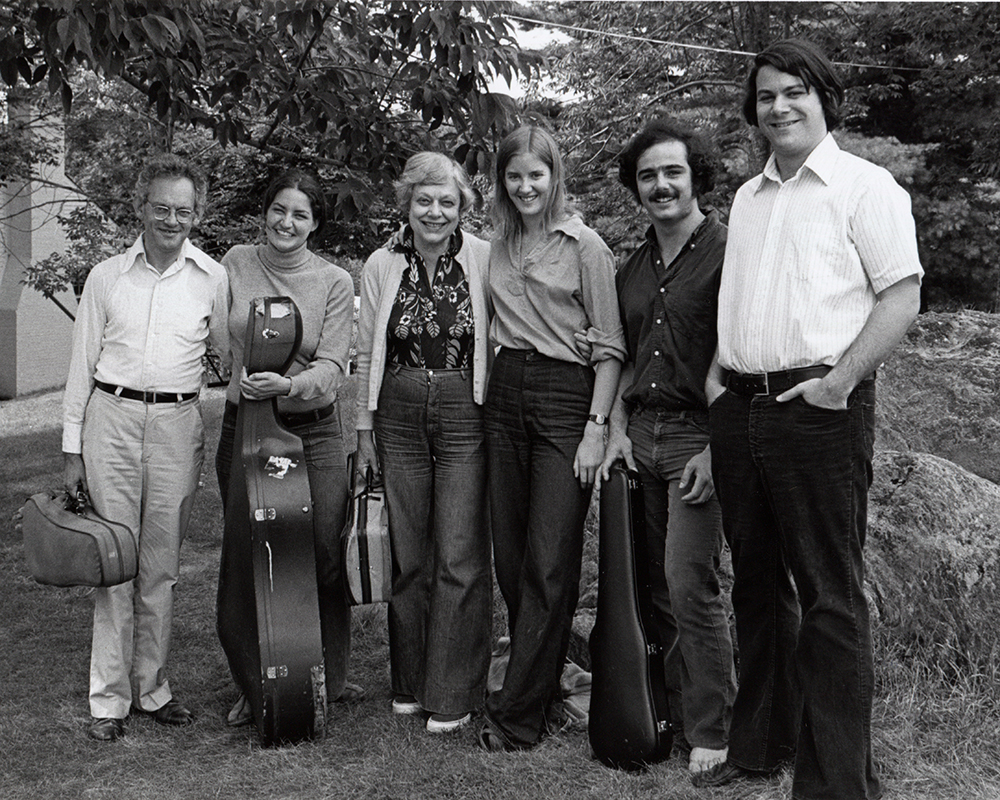
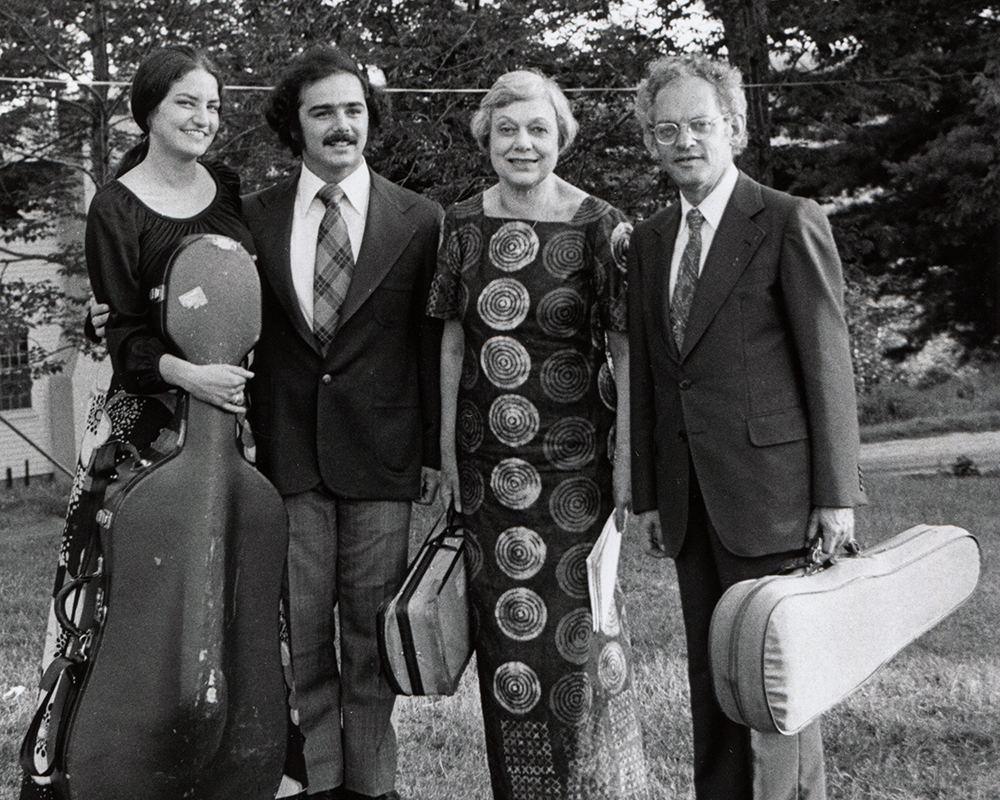
Paola Saffiotti encourages Carmirelli and Philipp Naegele to form a group that would afford more performance opportunities in the United States, and so the Boccherini Ensemble is born. This group comprises Carmirelli, Naoko Tanaka, Philipp Naegele, Marcy Rosen, and Robie Brown Dan. Saffiotti manages the group and arranges as many concerts as she can for the ensemble. They play lots of Boccherini and, of course, the Schubert Cello Quintet. Rosen remembers, “We spent lots of time in Vermont rehearsing and recording in Mr. Serkin’s wonderful barn, and then we had fantastic tours together. I will never forget a post-concert drive from Philadelphia to New York in a blinding blizzard—why I was driving I have no idea since I was probably the youngest member of the group—but we made it, and Pina cooked the most incredible penne with vodka sauce in the small kitchen of my New York apartment.”

1986

Late Career

Carmirelli continues to concertize regularly, and she participates at Marlboro almost every year until 1986, when a serious car accident causes ankylosis of the arm. She stays in her home in Rome, valuing the privacy that it affords her while maintaining an active correspondence with close friends through letters penned in her distinctively elegant handwriting.

1993

Death and Legacy

Pina Carmirelli passes away at the beginning of 1993. She is remembered as a serious musician, a dedicated pedagogue, and a determined musicologist. As Richard Goode recalls, “She had this extraordinary depth of feeling. And she harmonized very much with Mr. Serkin’s idea about what a musician is because she didn’t talk much. You didn’t talk much in Pina’s group. You sort of went with her; she was impossible to resist… You got the most wonderful results, and people were very devoted to her. She was very quiet and in many ways could be very withdrawn. She was very loveable and had great authority, but she didn’t give lectures. She played, and you were convinced.”

1993

Acknowledgements

Many thanks to Marlboro Music Trustee Luisa Saffiotti, who provided invaluable translations, suggestions, articles, letters, and personal memories to this project. Materials that she and her family preserved through the years lent vital layers of depth and humanity to this profile that would not have been accessible otherwise.

Recordings

Enjoy four essential Pina Carmirelli recordings from Marlboro. While several recordings of Carmirelli playing Boccherini at Marlboro have been available commercially, the recording of this particular quintet has not been previously released. The performance of Tchaikovsky’s Souvenir de Florence is also notable for featuring three of the four original members of the Cleveland Quartet, which formed at Marlboro in the summer of 1969.

Audio Recordings from Marlboro

Gallery

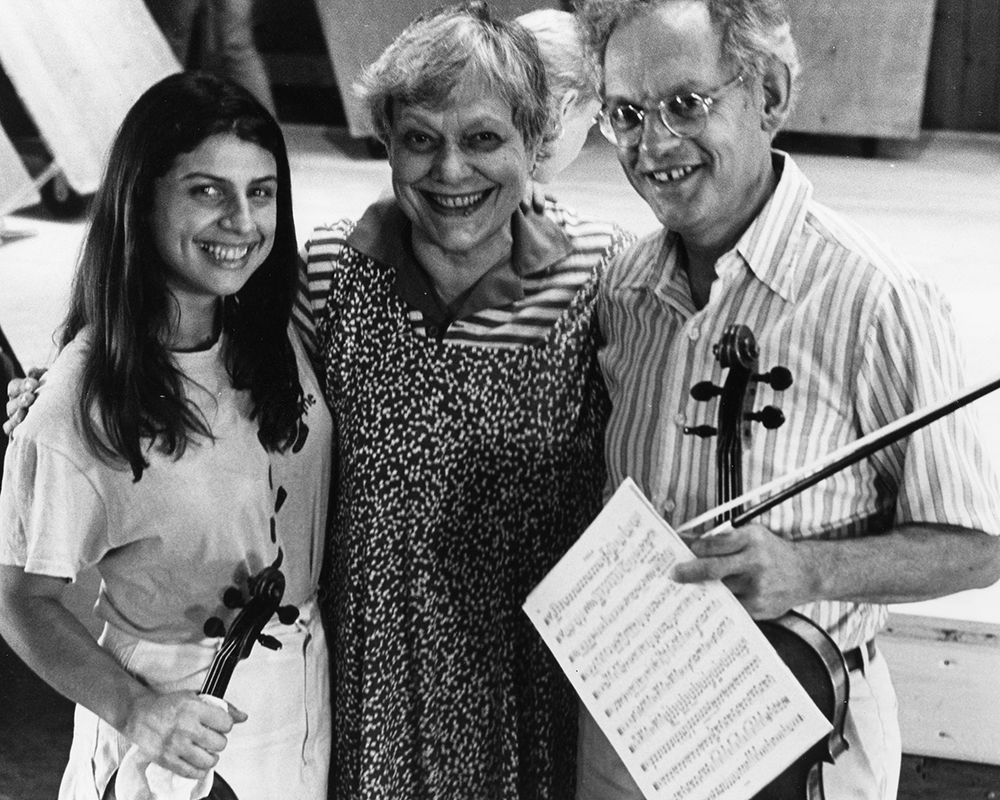
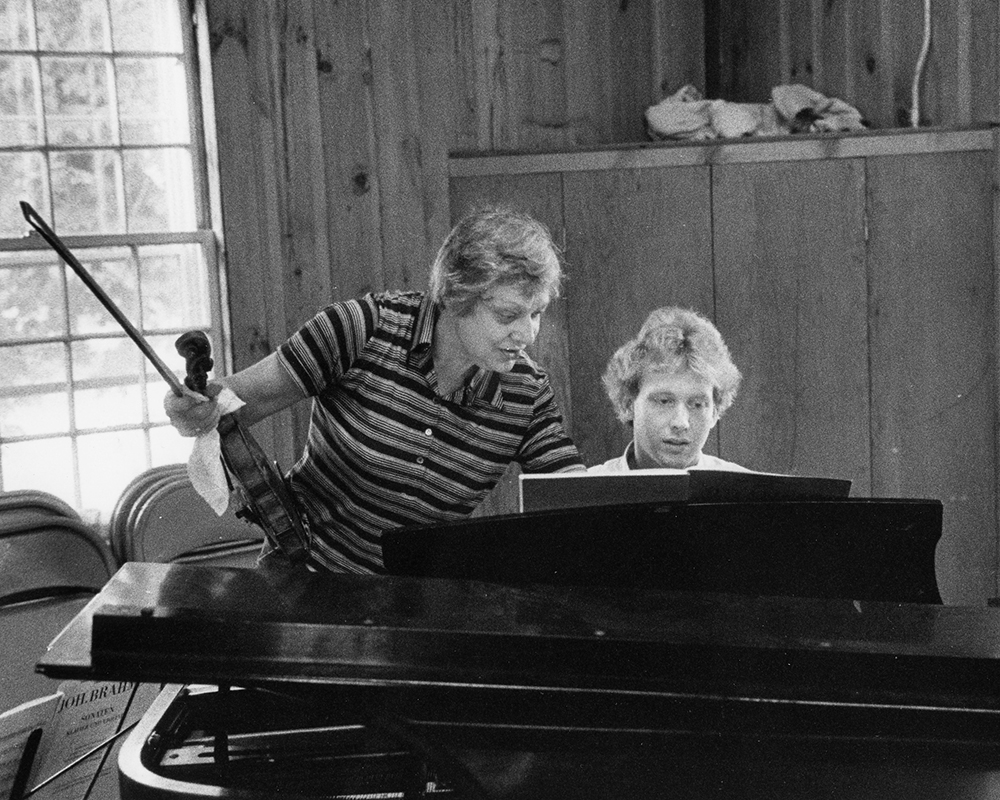
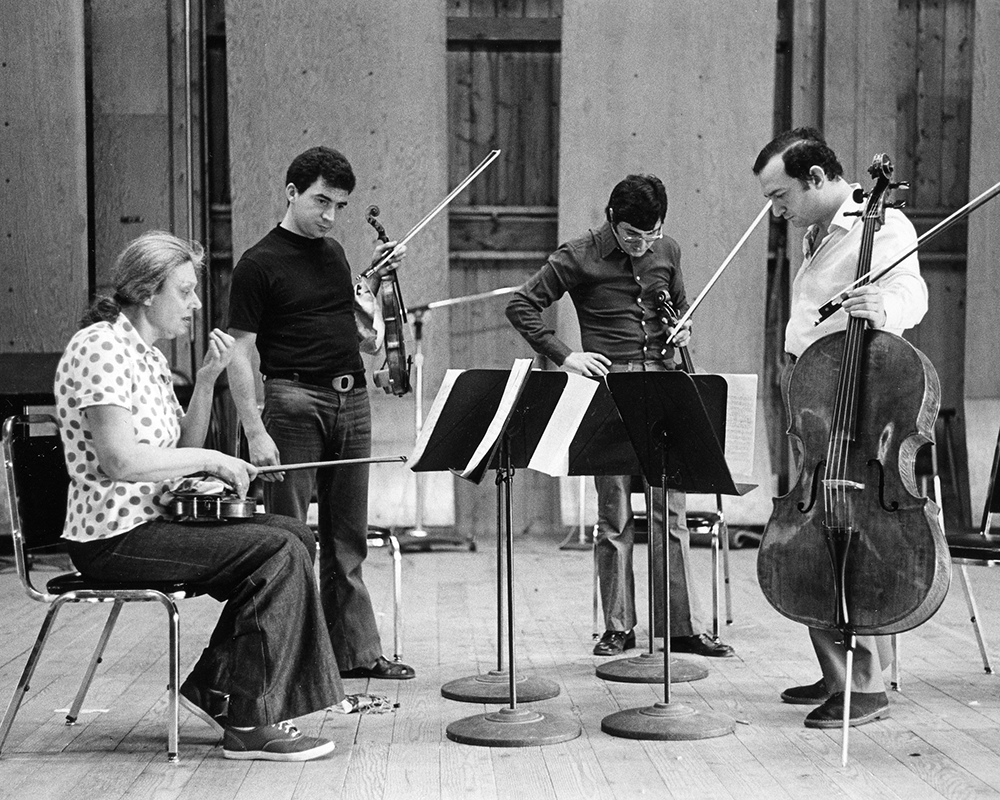
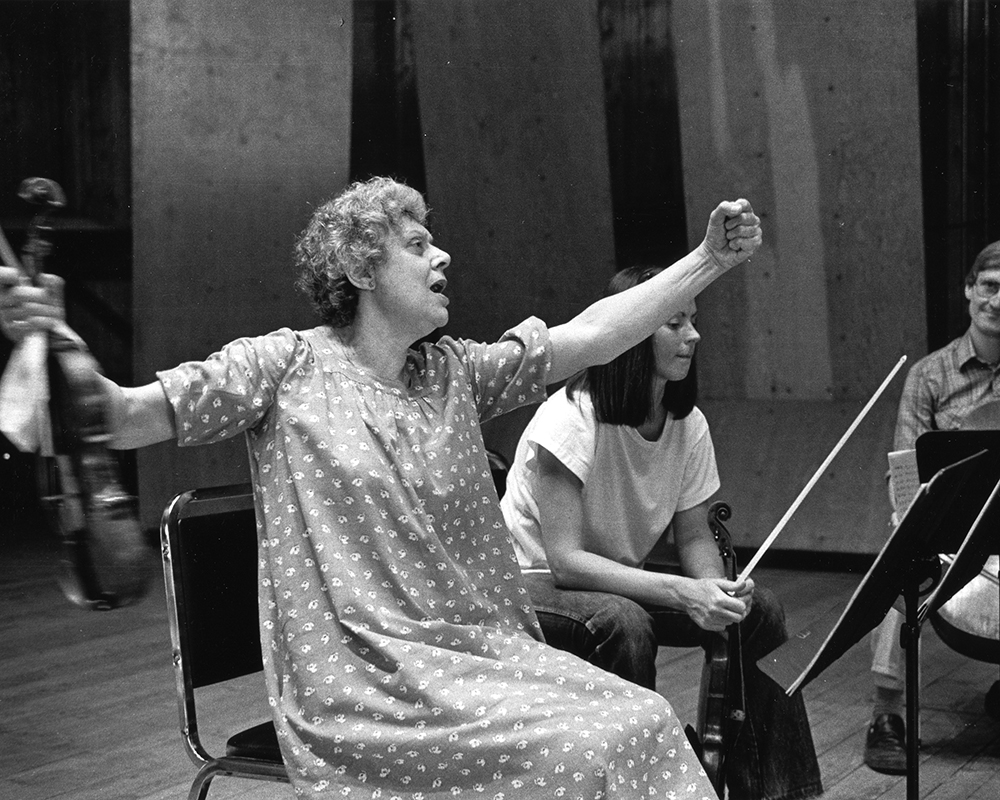
Click any of the pictures below to view an enlarged version complete with additional quotes in the captions.