From the Archives:
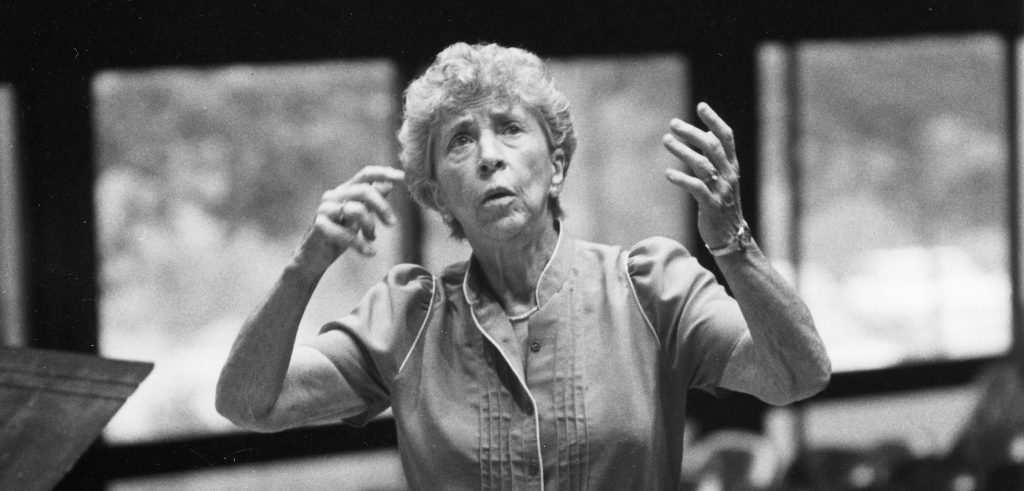
Blanche Honegger Moyse

  • Introduction
  • Timeline
  • Recordings
  • Gallery

Introduction

If you are driving to Brattleboro from Marlboro and make a right turn off Western Avenue, just after the covered bridge, you’ll come to the baseball field of Memorial Park. Go a few yards further and, on the left, there’s a street sign that reads Blanche Moyse Way.

The sign has double meaning—it honors a unique and beloved figure in Brattleboro’s cultural life, one of Marlboro Music’s founders, and, coincidentally, it affirms that Blanche Honegger Moyse had exacting standards that, happily, required doing things her ‘way.’ That meant taking your music seriously, probing the depths of the music that you played or sung with both sensitivity and passion. She brought those qualities to all she did at Marlboro, in Brattleboro, and for the music of J.S. Bach, for which she became acclaimed as a devoted interpreter.

Her generosity extended to Marlboro’s Monday night dinners when, in the early 1960s, one of the summer’s highlights was always the cheese fondue dinner that Blanche and Louis Moyse would make for our community. For most of us, it was our first experience with this rather exotic dish, which pre-dated our International Dinner and its many different delicacies from around the world. The Moyses made theirs with kirsch and served it with white wine, making for a rather potent combination. Their most memorable fondue dinner was when they made it for the visit of the Queen Mother of Belgium, a friend of Pablo Casals and the founder of the prestigious competition that bears her name. By chance, two winners of that Competition—Leon Fleisher and Jaime Laredo—were at Marlboro and joined our royal guest, the Moyses, and the Serkins at her table.

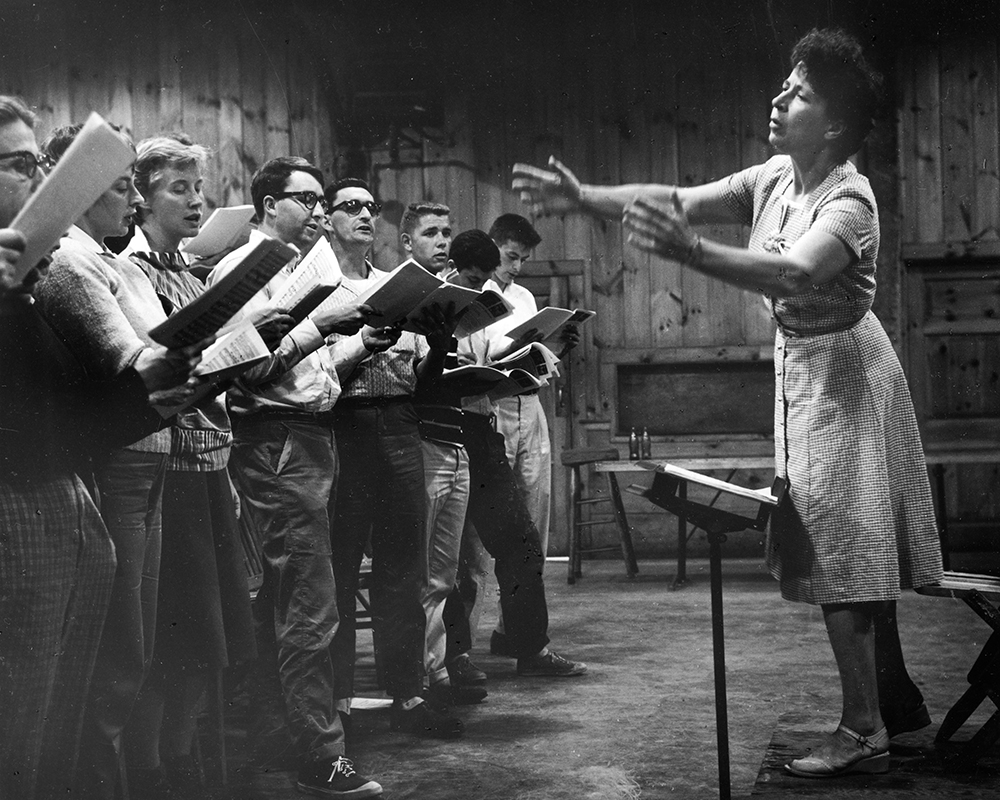
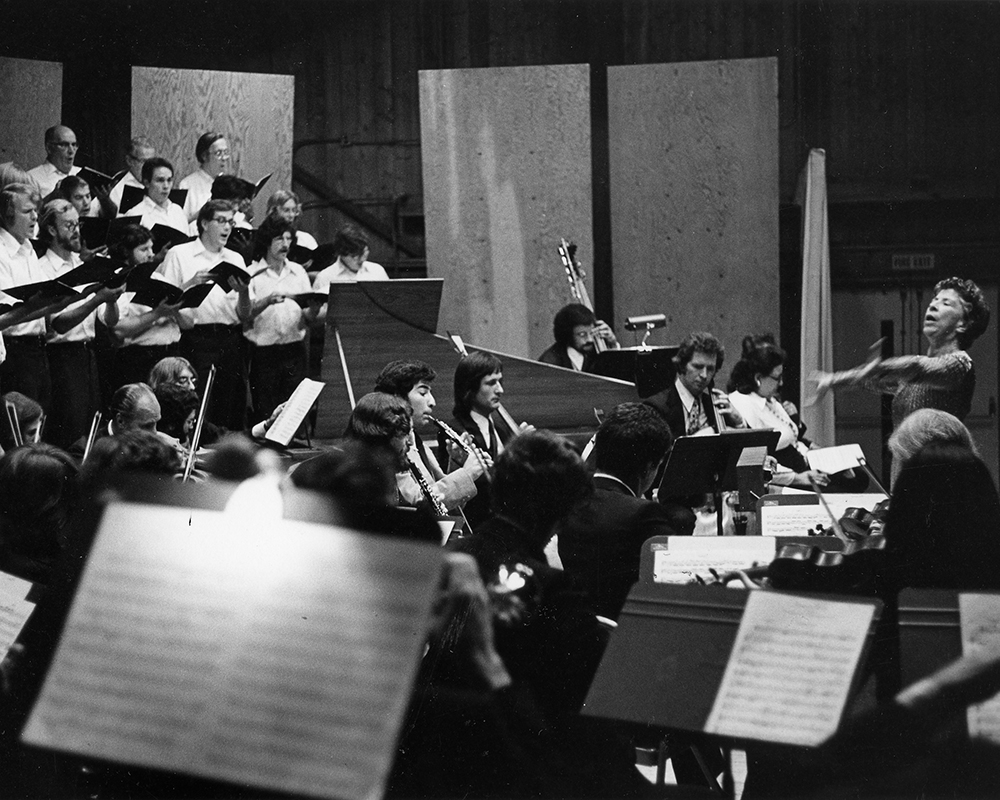
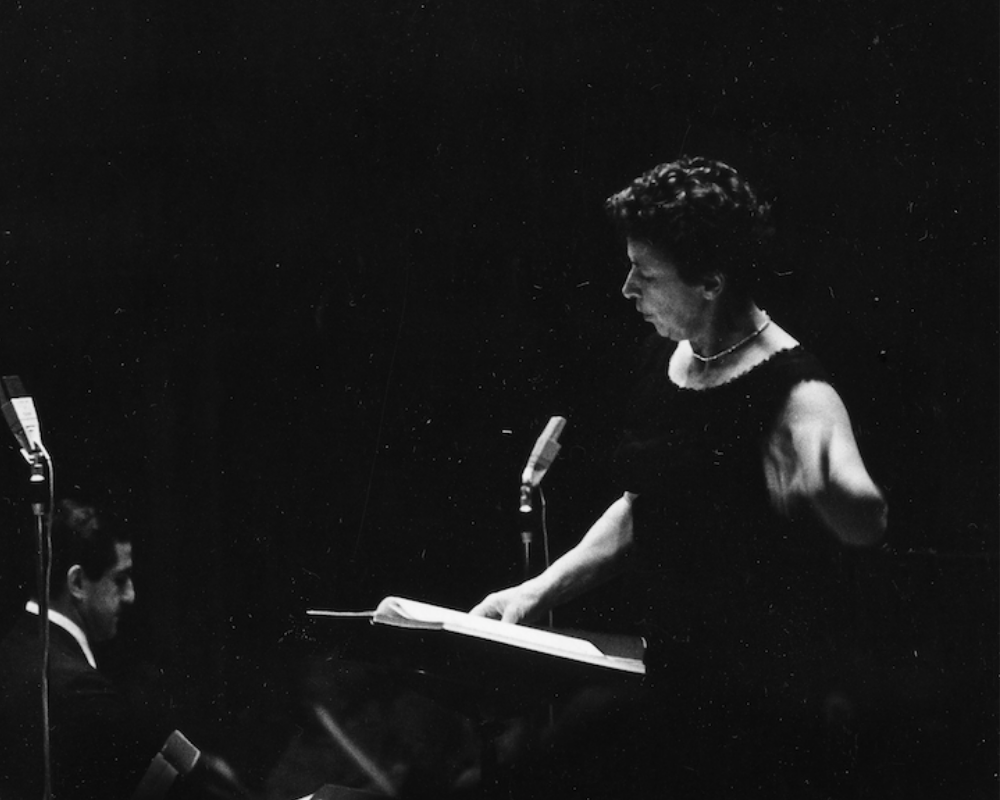
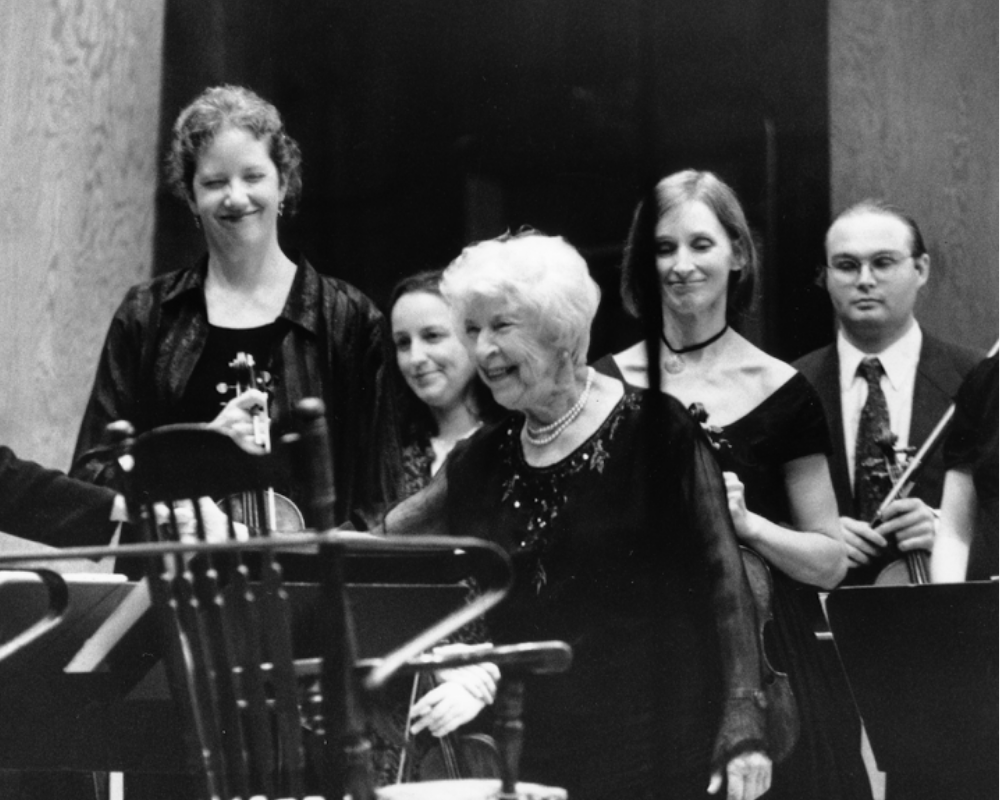
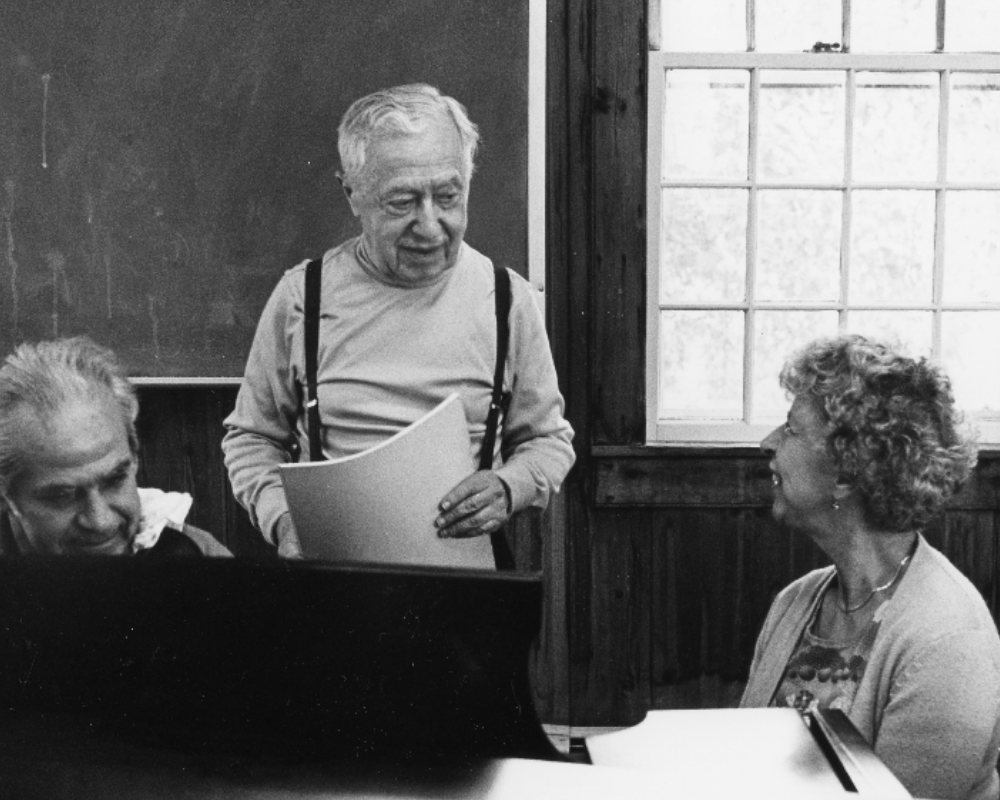
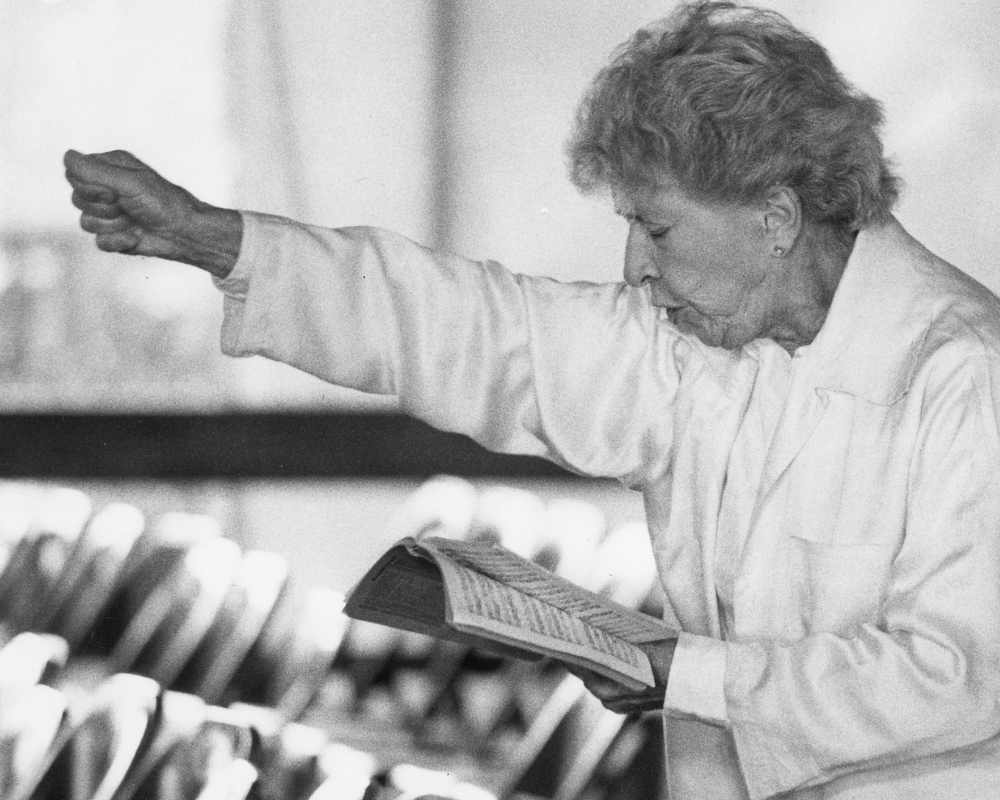
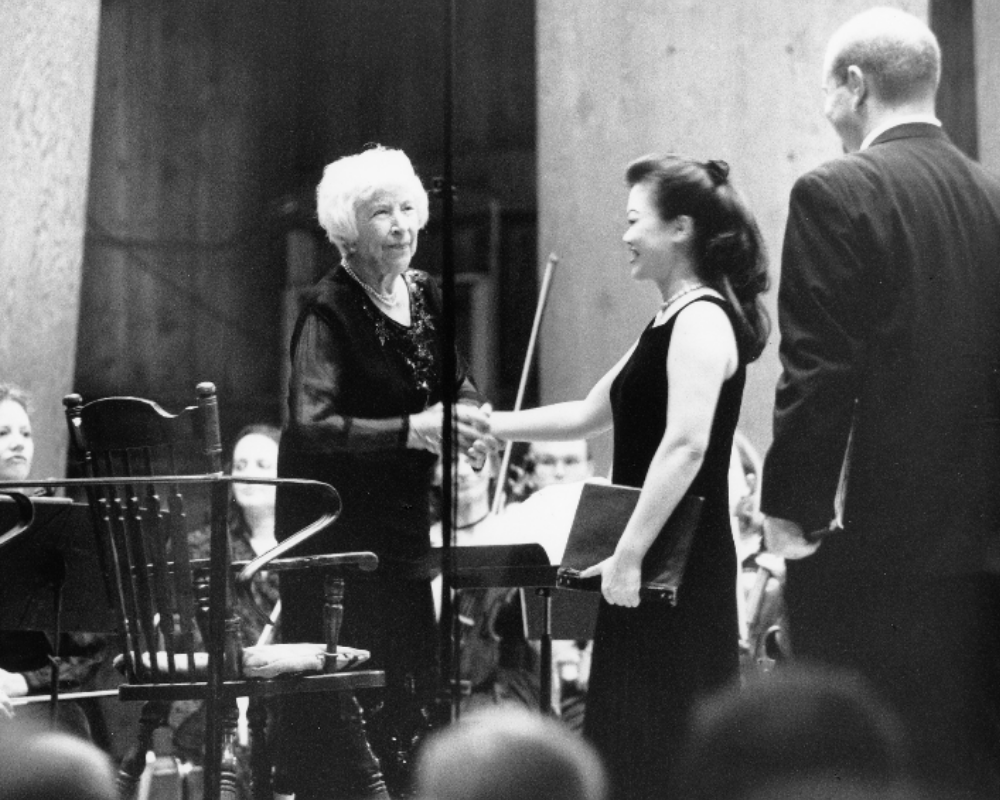
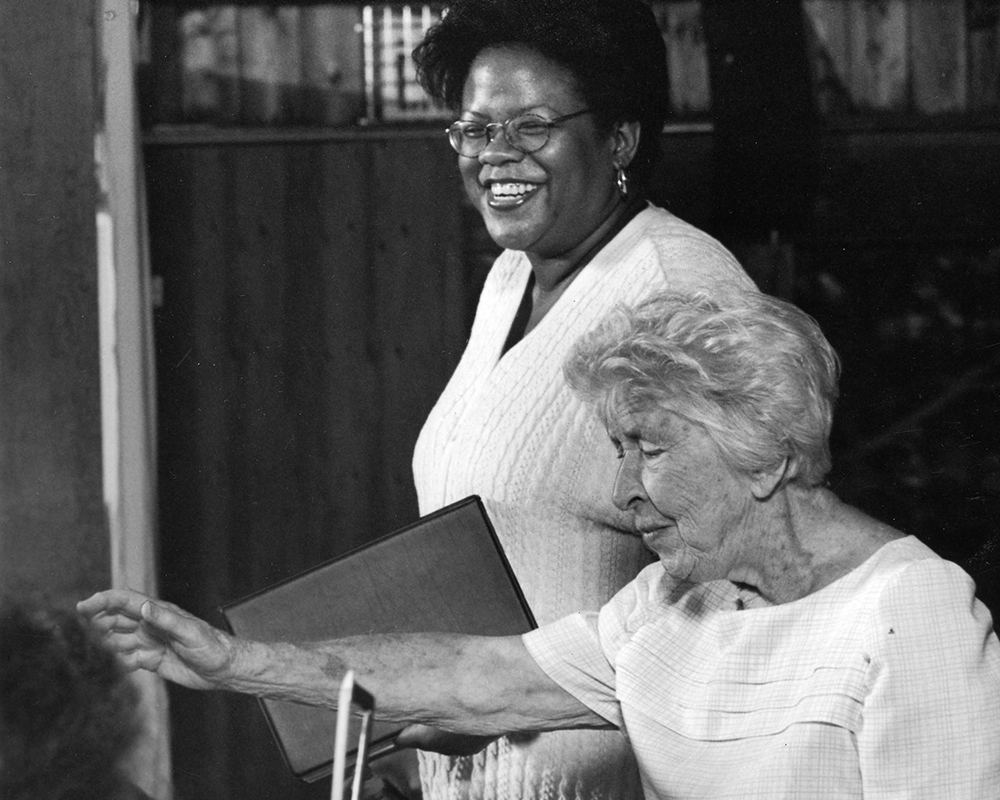
Active into her 90s (she died in 2011 at 101), Blanche Moyse changed the cultural life of Brattleboro forever when she created the Brattleboro Music Center with a music school, community choir, and concert series that remains a valued civic jewel and a tribute to Blanche Moyse and her tireless efforts to illuminate local life with her joy in music. Her performances of Bach Cantatas at Marlboro for 44 years and at her autumn New England Bach Festival became memorable musical experiences for audiences and performers alike. She took her Blanche Moyse Chorale to New York to perform with the Orchestra of St. Luke’s, making her Carnegie Hall debut at the age of 78 in a performance that the New York Times proclaimed “an absolutely glorious rendition of Bach’s ‘Christmas Oratorio.’”

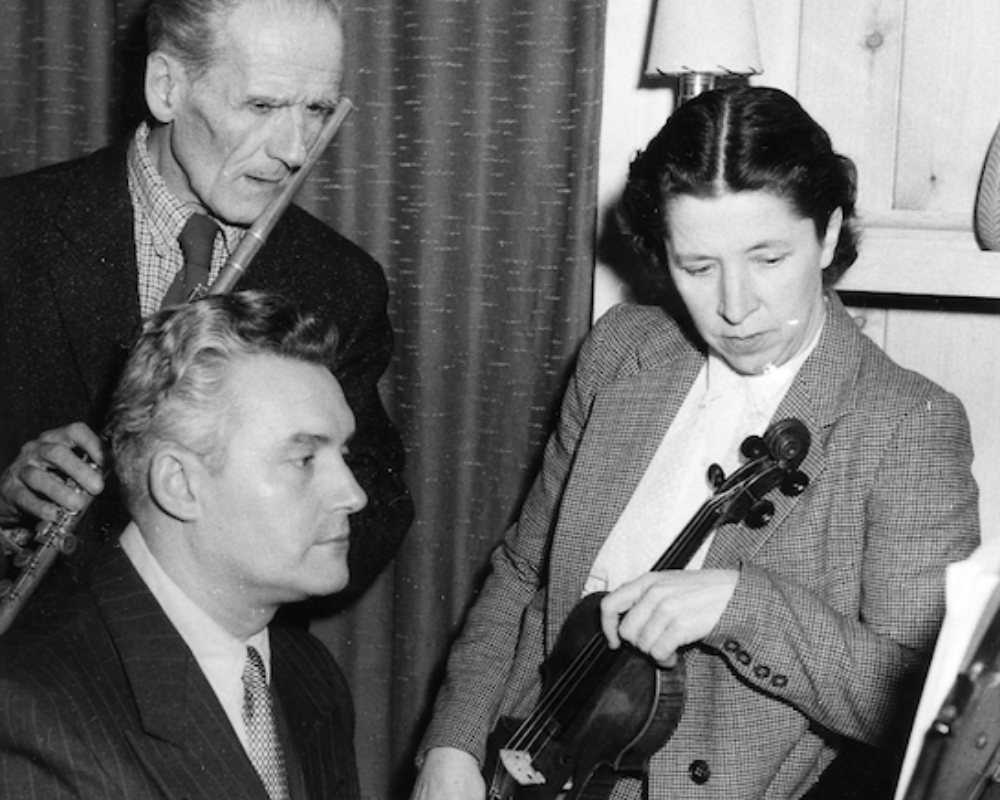
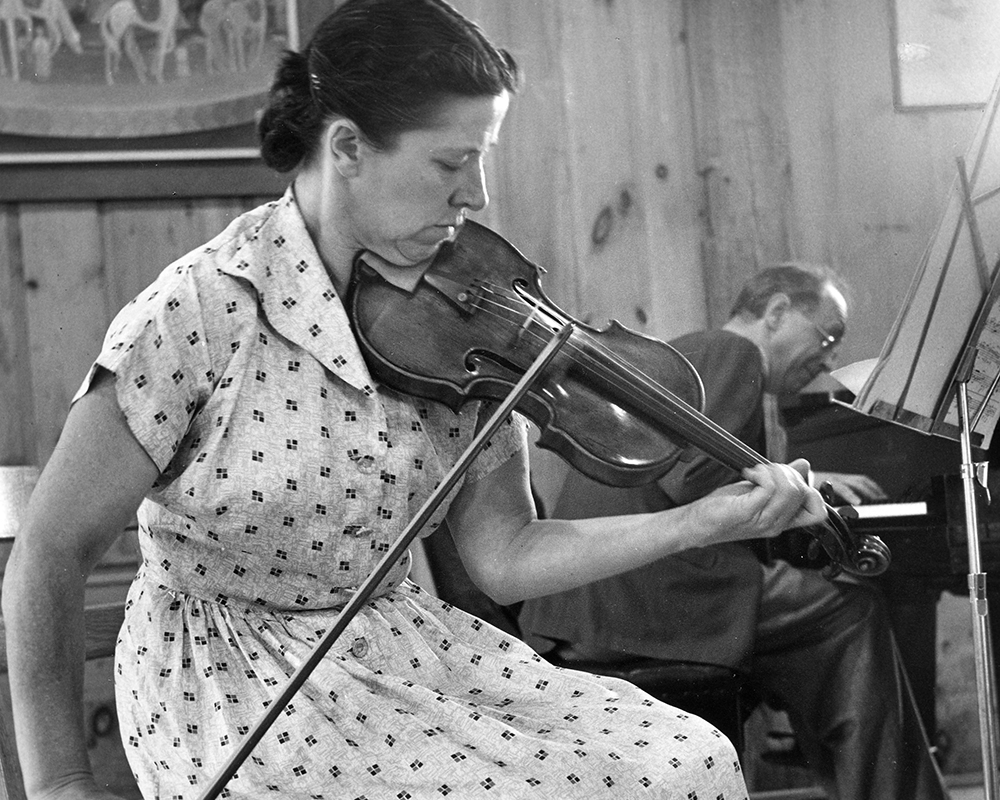
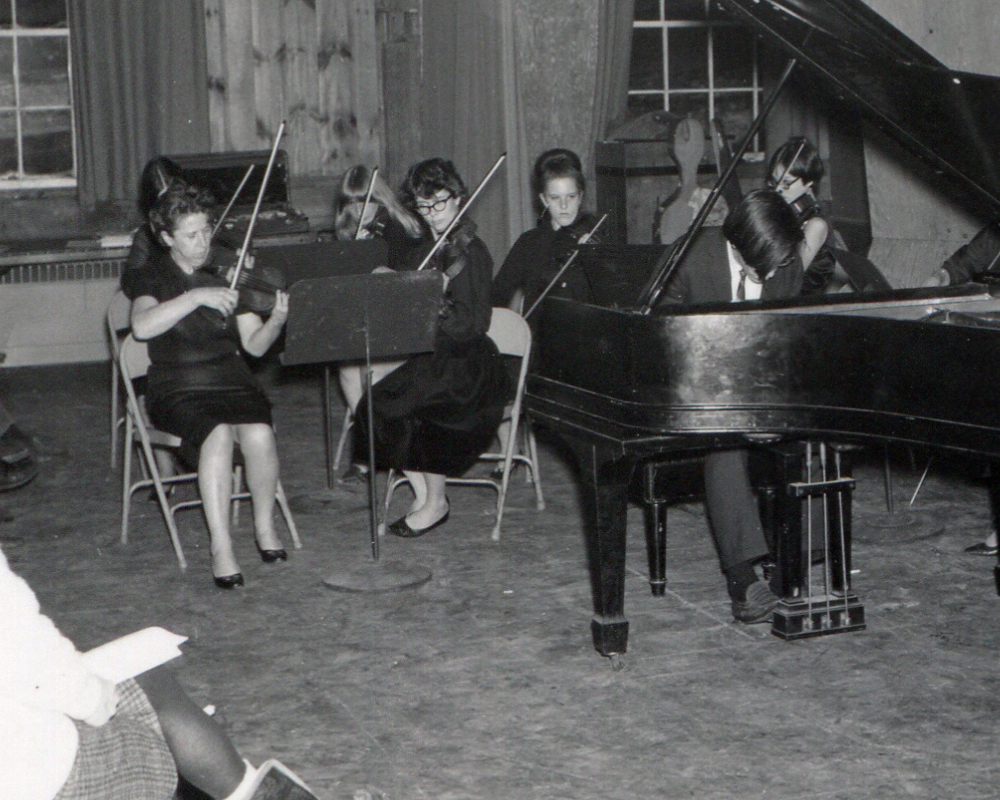
In the early, formative years of the Marlboro Music School and Festival, concert programs found Blanche Moyse as a violinist in the Moyse Trio with her husband, flutist and pianist Louis, as well as her father-in-law, flutist Marcel Moyse. She first conducted at Marlboro in 1954 in a performance of the Schubert Mass in E-flat Major with the Marlboro College Chorus, Brattleboro Community Chorus, and Marlboro Orchestra. With the same forces, she conducted the Brahms Requiem the following year and the Fauré Requiem Mass in 1956, when she also led a performance of the Mozart Concerto in E-flat for Two Pianos, K. 365, with Rudolf Serkin and Claude Frank. It was in 1957 that she first conducted a Bach Cantata—No. 105: Herr, gehe nicht ins Gericht, laying the groundwork for a tradition which would offer annual Bach Cantata concerts from 1959 through 2003. Not only did she give us new perspectives on some of the most moving music ever written, but she offered us the opportunity to hear many cantatas that are rarely performed. It was a great gift.

For Marlboro’s singers as well as the woodwinds players, the inspiring experience of exploring Bach’s music with Blanche Moyse was to have a lifelong impact on their approach to music. The well-known soprano Arlene Auger, who performed frequently at the New England Bach Festival, summed up the feelings of so many Marlboro participants when she said, “I’ve sung Bach all over the world, often with people who are considered the best, and in my opinion no one is performing Bach any better than Blanche Moyse is doing it in Brattleboro.”

Watch Vermont Public Television’s interview with Blanche Moyse, recorded when she was 92.


Timeline

1909

Birth

Blanche Honegger is born in Geneva, Switzerland. Though her large family—with four older brothers—is a musical one, for the rest of her life, she notes that she is not directly related to the composer and fellow Swiss Arthur Honegger. However, she shows both appetite and aptitude for music at a young age and begins piano lessons with an aunt by the time she is 3 years of age.

1914

The Violin

Two years into her earliest musical training and already fiercely precocious, Honegger begs to start playing the violin when she hears that her older brothers will receive lessons from their uncle. By the age of 10, the young musician begins to study with her first professional teacher, the violinist Henri Favaz, who fatefully instills within Honegger what will become a lifelong love of Bach. Favaz recommends that she start practicing two hours per day during her first year under his tutelage, three the next, four after that, and five thereafter. To make time for such dedicated practicing, Honegger is homeschooled by her mother and grandmother, who are both proud educators.

1921

Busch

Though her mother is eager to foster Honegger’s musical talent at home, the young violinist’s father wants her to benefit from a formal education as she approaches her teenage years. However, when the eminent German violinist Adolf Busch pays a visit to the Honegger household after performing in Geneva, he happens to notice some sheet music of Bach, one of his favorites, on a music stand. When the master musician asks whose it is and finds out that it belongs to the youngest child of the family, he insists on hearing her play. Genuinely impressed by her performance, he then insists that she stay out of school to focus first and foremost on the violin. Honegger becomes one of Busch’s protegées and, later, lifelong friend, and she counts him as her greatest musical influence.

1925

Premier Prix

Honegger’s intense studies pay off when she earns the equivalent of doctorate at age 16, winning the premier prix de virtuosité at the Geneva Conservatoire. Not only does she debut as a solo violinist with the Orchestre de la Suisse Romande, but she deepens her studies of the keyboard and violin with the legendary musicians Wanda Landowska and George Enescu. With a desire to learn as much as she can through the study of multiple instruments, she even becomes the first guitar student of Andrés Segovia.

1932

Marcel Moyse

Invited to play again with the Orchestre de la Suisse Romande (of which her older brother, Henri, is the principal cellist), Honegger is slated to play the violin solo in Brandenburg 5. When the flute soloist dies by suicide, his teacher, the renowned virtuoso Marcel Moyse, is called to perform in his place at the last minute. Moyse stays with the Honegger family and not only allows a concert that is important for Honegger’s early career to move forward but also begins a friendship with her that lasts a lifetime. It is through Honegger that the Moyse family makes the acquaintance of Adolf Busch and his soon-to-be son-in-law Rudolf Serkin.

1933

Paris

Though Honegger consistently proves her appetite and aptitude for musical excellence, she appreciates her mother Marthe’s careful pedagogy and is inspired by her mother’s curiosity, attentiveness, and expertise, particularly when it comes to homeopathic remedies. Striking out on her own but following Marthe’s example, Honegger moves to Paris in order to formally study naturopathic medicine. The Moyse family helps her find lodging, and she eventually moves in with them, learning more about them and herself. As she pursues medicine, she continues to practice the violin upwards of six hours a day and eventually decides, with the support of Marcel and his son Louis, that while she is happy to have tried medical school, her primary passion lies in music.

1936

Professional Music-Making

Newly dedicated to professional musicianship, Honegger dives right in. She serves on the faculty of the Neuchâtel Conservatory while residing for the rest of the time in Paris, where she forms the Trio Moyse with Marcel and Louis. Honegger plays violin, Marcel Moyse the flute, and Louis Moyse accompanies on the piano when not playing flute duos with his father. The talented and versatile ensemble has extraordinary musical chemistry and quickly garners acclaim. Their repertoire spans from the Baroque, such as Bach’s Trio Sonata in G (BWV 1038), their recording of which wins an International Grand Prix du Disques, to contemporary commissions, such as the works written for the trio by Bohuslav Martinů, who visits the musicians both in their Paris residence and Marcel’s childhood hometown of Saint-Amour in Eastern France.

1938

The Moyse Trio

Honegger learns even more about music in the process of playing it, following Marcel Moyse’s lead and absorbing his sense of rhythmic vitality, singing tone, and musical confidence. Adolf Busch writes to his conductor brother Fritz, “She plays the Beethoven concerto more beautifully than I ever heard it.” The trio tours all over Europe and travels to the United States to perform a broadcast concert arranged by Arturo Toscanini. While at Tanglewood, Louis Moyse is offered a position in the Boston Symphony by Serge Koussevitzky, and though the family returns to Europe, where the gathering storm clouds of war are apparent, the future looks bright for the musicians of the Moyse Trio.

1939

A Turn for the Worse

But instead of moving to America to pursue an illustrious orchestral appointment, Louis Moyse is conscripted into the French army just hours before his scheduled departure. After years of living and performing together as if they were already family, Louis asks Blanche to marry him, taking momentary leave from his regiment for the wedding in November of 1939. By the time the French military disbands in June of 1940, the Moyse family, including Blanche Moyse, who is heavily pregnant with twins, has relocated from Paris to the tenuously unoccupied countryside of Saint-Amour.

1940

War

The musicians avoid Paris, disgusted by the thought of working with collaborators, and they eke out a living by braving bombed out roads, unpredictable checkpoints, and severely enforced curfews to perform on the radio in Lyon twice a month. Moyse’s ability to speak German diffuses tensions on several occasions when the trio has the misfortune of encountering Nazi soldiers. Living on rations of turnips and salt pork supplemented by the black market provisions that her mother-in-law sneaks into the house in the bottom of a baby carriage, Moyse gives birth to a third child, a girl, in the middle of the war.

1946

A New Paris

When the war finally ends, the expanded Moyse family returns to a changed Paris. During the occupation, musical life in the City of Lights had gone on without them, and away from the capital, their lives had changed as well. Instead of moving into the city center, the Moyses elect to live in the suburbs for the benefit of their children. Though academic appointments are difficult to reclaim, the Trio is able to organize tours of England, France, and Scandinavia. But the most significant concerts they perform in these post-war years are 40 dates in South America, kindly arranged by Moyse’s former teacher, Andrés Segovia.

1948

A New World

The members of the trio—especially Marcel, who is disillusioned by the changed musical landscape in Paris, and Louis, who fears reconscription if another war were to break out in Europe—are captivated by the new but cosmopolitan city of Buenos Aires. They meet French expatriates who convince them that there could be attractive positions on the faculty of an emergent conservatory in Mendoza, a full day’s drive inland from the capital. Though Blanche has misgivings about picking up and moving to a new continent, Marcel and Louis feel that the prospect of starting over in South America is too good to pass up. Within the year, the whole family moves from the old world to the new, the only passengers on a ship loaded with dynamite.

1949

South America

The concert circuit is well established in Argentina, regularly welcoming artists such as Isaac Stern, Walter Gieseking, and Arturo Benedetti Michelangeli. However, teaching appointments are scarcer than the musicians had been led to believe. The conservatory in Mendoza is shut down by the Perón government without explanation. The trio scrapes together a living through concerts, but they face illness, bigotry, and pro-German sentiments in a country whose populist president is indefinitely re-electable. By the summer, it is Blanche who reaches out to Adolf Busch and Rudolf Serkin through her parents. She not only secures an invitation to the United States, complete with a real promise of jobs at a new college in Marlboro, Vermont, but convinces Marcel and Louis that this is the opportunity to follow. When the family arrives in the United States, exhausted by travel and worry, they are asked by an intake officer what religion they practice. “Musician,” they answer.

1950

North America

With the assistance of Rudolf Serkin, the members of the Moyse household settle into their new home in Vermont, which reminds them of the French and Swiss countryside. Blanche later notes, “I have been in the country all my life, but I remember coming to the house I have now, which has a long, beautiful view of the hills. I had never before appreciated the variety that there is in nature. You never see the same thing.” And indeed, one of the plants that comes to exist on her property is an apricot tree, an unlikely transplant that Blanche steadfastly nourishes until it thrives in unfamiliar soil. As promised, Serkin introduces the musicians to the faculty of the newly opened Marlboro College, and Blanche becomes the head of the music department, a post that she will hold for 25 years.

1951

Marlboro and Music

Though the Moyses have finally arrived in a safe country and can sustain themselves with teaching and touring, life is still far from comfortable. They experience the frustrations of teaching in relative obscurity while attracting just enough attention through their concertizing that they are forced to flee to Canada while a friend helps convert their tourist visas to more permanent paperwork. But they are committed to this new life. Blanche turns down an offer to be concertmaster at the Suisse Romande because she prefers chamber and choral music to the ranked competitiveness of an orchestral career. She and Louis also turn down an extravagant salary at a girls’ school in Connecticut because they “preferred being poor in a free place.” So when Adolf Busch conceives of a festival to take place on the campus of Marlboro College, where he, his cellist brother Hermann, Rudolf Serkin, and the Moyses could teach and make music with advanced students, the Moyse family jumps at the opportunity. They help to found the Marlboro Music Festival.

1952

Brattleboro Music Center

As she raises her fourth and final child while leading the music department at Marlboro College, Blanche steps up to run the newly created Marlboro Music festival for two years following Adolf Busch’s untimely death. But her activity doesn’t stop there. She also champions musical education in rural public schools and founds the Brattleboro Music Center in 1952 to “promote the love and understanding of good music through performance and education and make it a vital part of the community.” Through the Center, which remains a cultural pillar of the region to this day, she begins organizing a local chorus, a chamber music series, a community orchestra, concerts and educational programs in public schools, annual festivals, and a thriving music school.

1959

Injury and Refocus

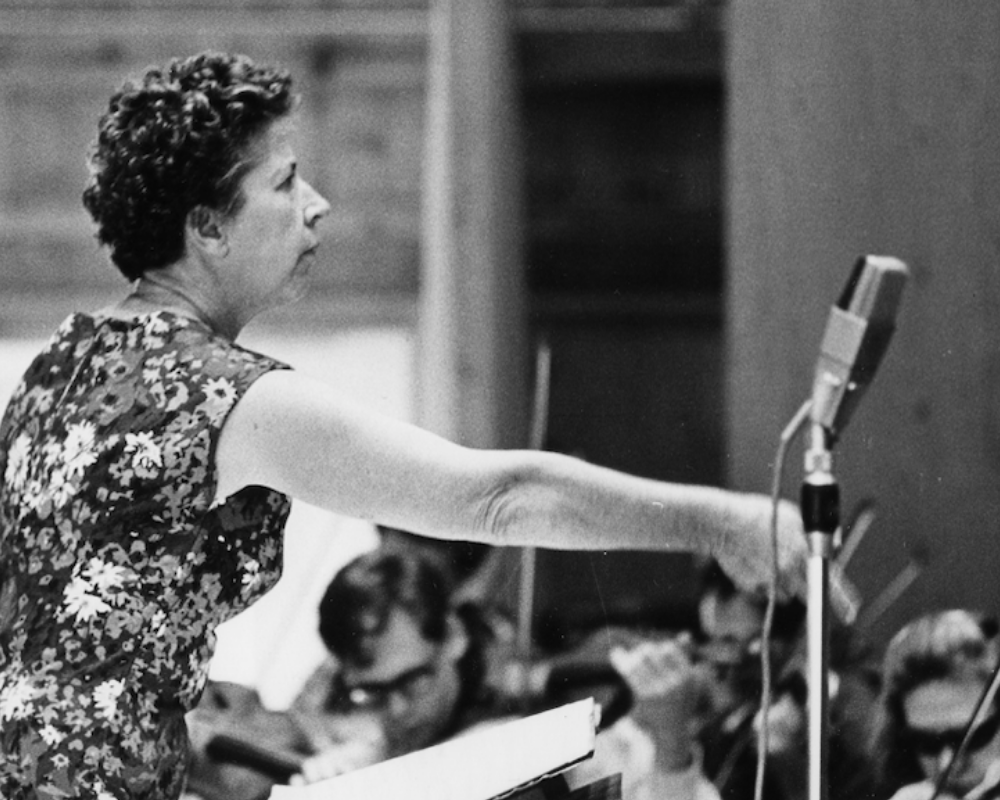
Following the final performance of the Moyse Trio in 1957, Blanche continues to play chamber music until 1966, when a bow arm injury ends her career as a violinist. But as the trio winds down, Blanche conducts her first Bach cantatas at Marlboro Music, channeling her musicianship into conducting with philosophies like “I don’t like power; I like strength,” and “you have to be present in every single note.” The first year, she leads a performance of Ich habe genung, BWV 82; the second year, she leads two cantatas, and two years after that, she leads eight.

1969

Bach Again

With over a decade of conducting cantatas and a lifetime’s worth of musicianship, Blanche founds the New England Bach Festival, bringing the Marlboro mindset of “we do concerts so we can rehearse” to an even broader pool of musicians, amateur and professional alike. Like her longtime colleague Rudolf Serkin, she is never quite satisfied with her own musical effort or that of the artists with whom she works, and she stands by the belief that it is always possible to do better. At the same time, she is very much like her father-in-law Marcel Moyse, who would take amateur students despite his own mastery of his instrument, spending an extraordinary amount of time coaxing the best results possible, regardless of his students’ skill level. As Blanche describes her own exacting kind of patience while working with amateurs, “nothing ever lives quite up to my expectations, but I feel it really takes care of every aspect of teaching music and performing music. They were not professional, but my teaching was.”

1987

Carnegie Hall

Having shared stages around the globe, moved across the world together, and raised four children in a new country, Blanche and Louis divorce in the 1970s, but Blanche remains an involved mother and musician, always busy leading her musical community. At the age of 78, she makes her Carnegie Hall debut, commanding the professional, New York based Orchestra of St. Luke’s alongside her own amateur chorale. She jokes that she is an “old prodigy,” but the performance of Bach’s Christmas Oratorio is lionized in the New York Times as one of the best concerts of the year. Though the critic arrived skeptical that he would enjoy the performance at all, he left awestruck that this woman of advanced age, who taught music at the community level in rural Vermont, could produce a performance so “absolutely glorious.”

1999

Later Life

Blanche remains active into her 90s, not only in music, but also in life, driving on the country roads of Vermont until the age of 95. She is honored with a Congressional Tribute entered into the record by Senator Bernie Sanders and lives to see her four children grow up and lead their lives in the safety and opportunity of the country to which she led them so many years before. She continues to conduct at Marlboro and the New England Bach Festival into the new millennium. As soprano Benita Valente describes her work, especially in the community of Brattleboro, hers is “a love that taught the whole town.”

2011

Death and Legacy

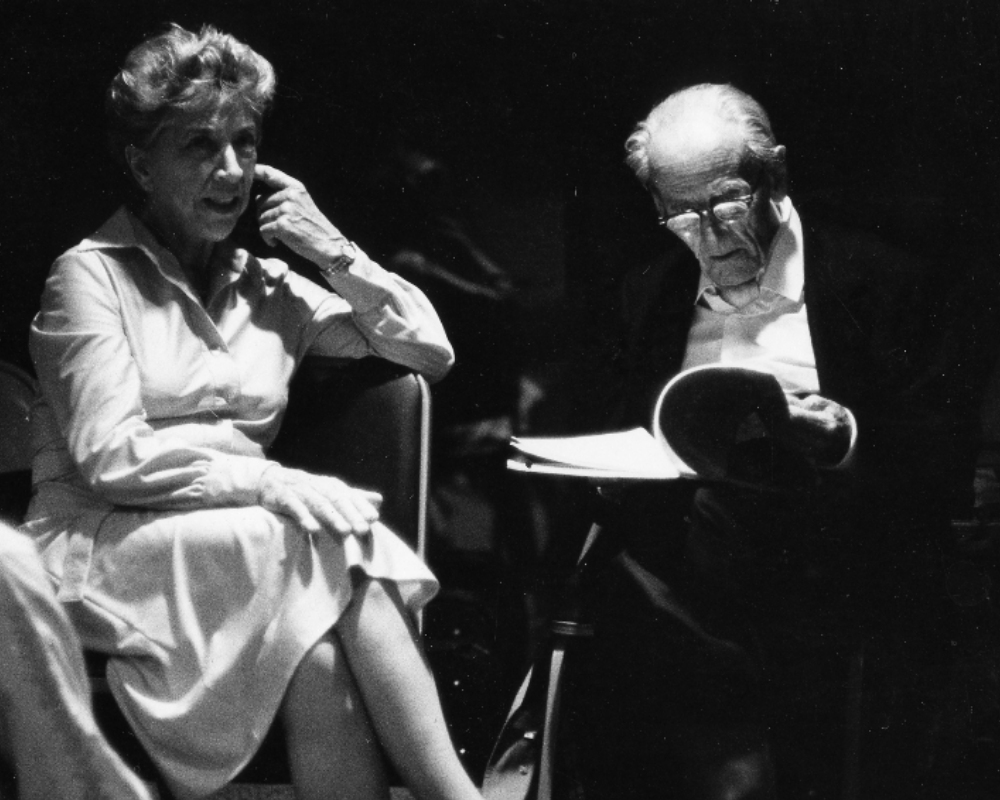
Blanche Honegger Moyse dies at home in Brattleboro, Vermont, on February 10, 2011 at the age of 101. Her first vivid impression of choral music had been as a child in Geneva, when she experienced a concert led by a female conductor. Her own strength through wars, motherhood, immigration, and the rigors of becoming a conductor who, herself, inspired so many exemplified the connections between past and present, learning and doing, being supported and supporting others, that stands at the center of Marlboro Music’s mission. In her own words, “This is why I wanted to create a music center: not to let classical music get out of life. There is no life without passion.”

2021

Acknowledgements and reading

Dr. Dominique Moyse Steinberg’s Blanche: World Class Musician, World Class Mother: Noteworthy Lessons for Living in Harmony with Self, Others, & the Universe as well as Ann McCutchan’s Marcel Moyse: Voice of the Flute proved invaluable resources to the research of this project. The fascinating contents of Stephen Lehmann and Marion Faber’s Rudolf Serkin: A Life also proved very useful.

Recordings

Experience the music of a Marlboro founding family in the Moyse Trio’s 1938 recording of Bach’s Trio Sonata in G, BWV 1038, as well as five excerpts of Blanche leading Bach Cantatas at Marlboro. Listen to the pieces below or click the links for additional performance information.

Audio Recordings from Marlboro

Gallery

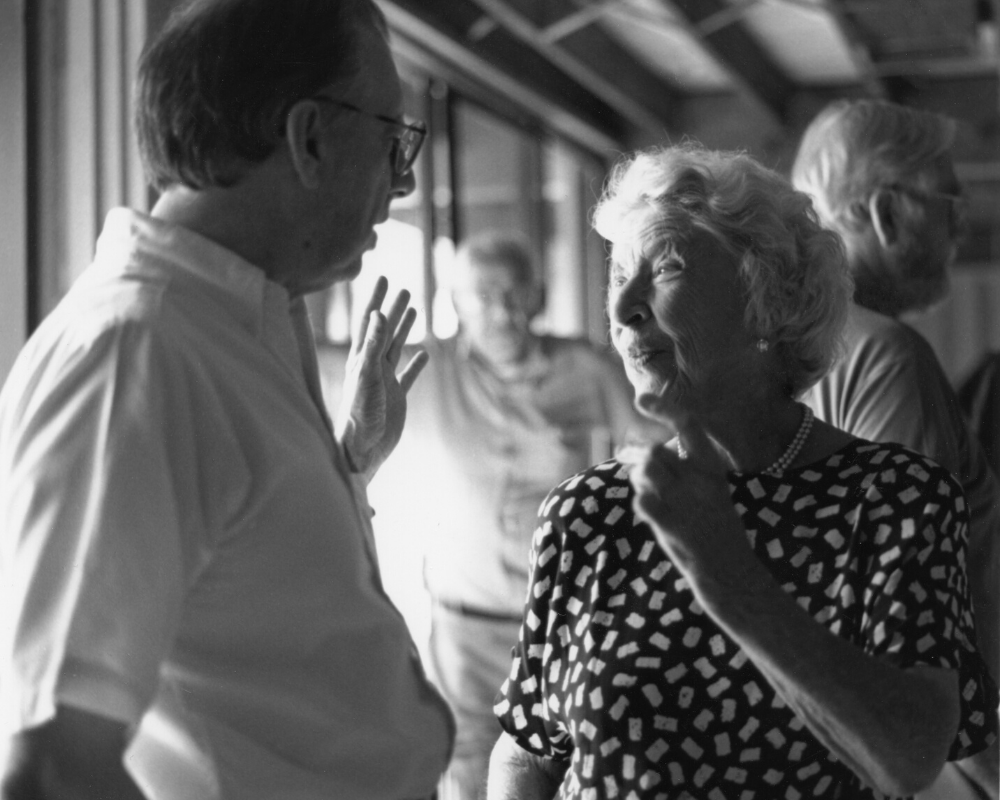
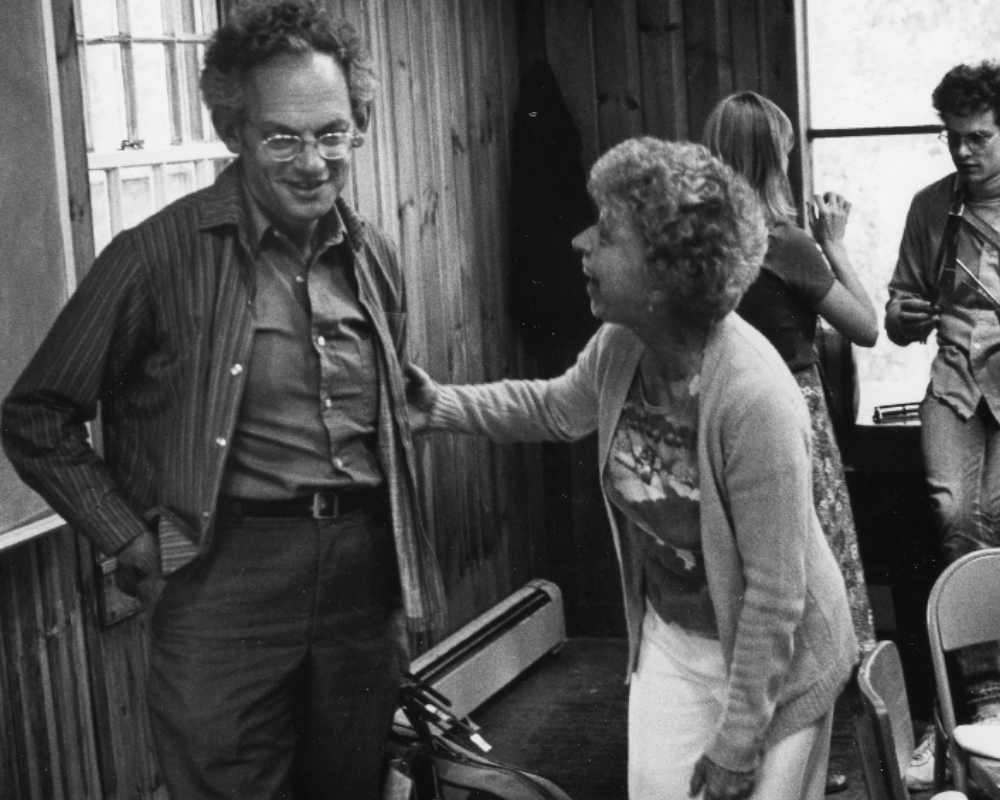
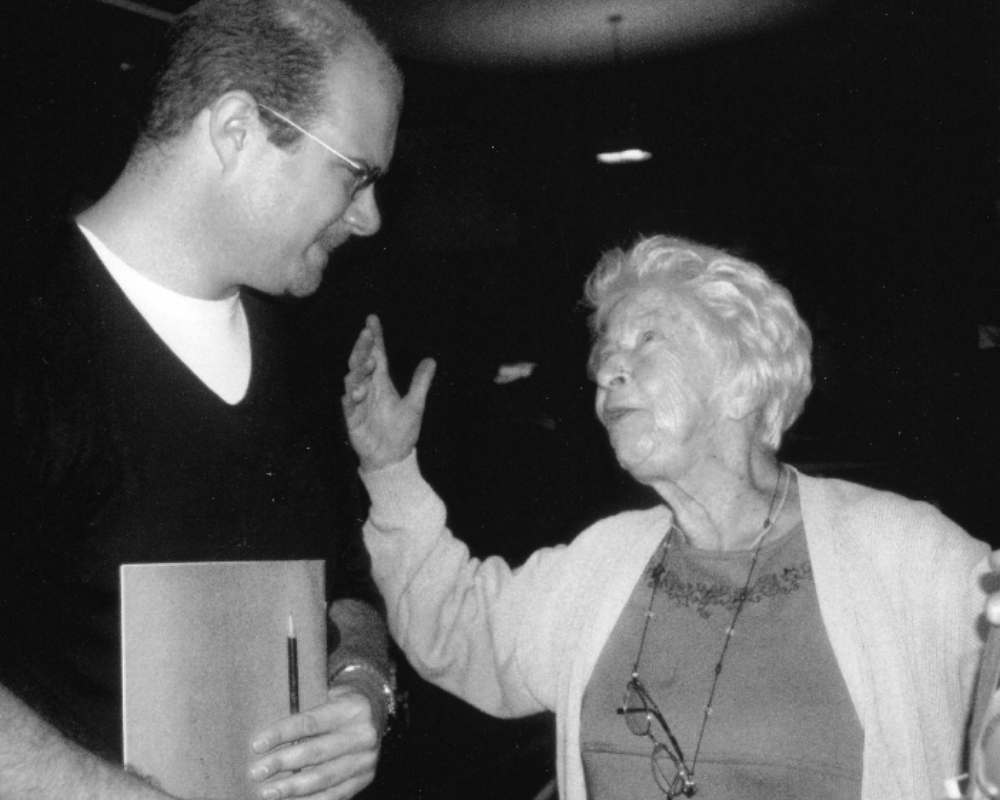
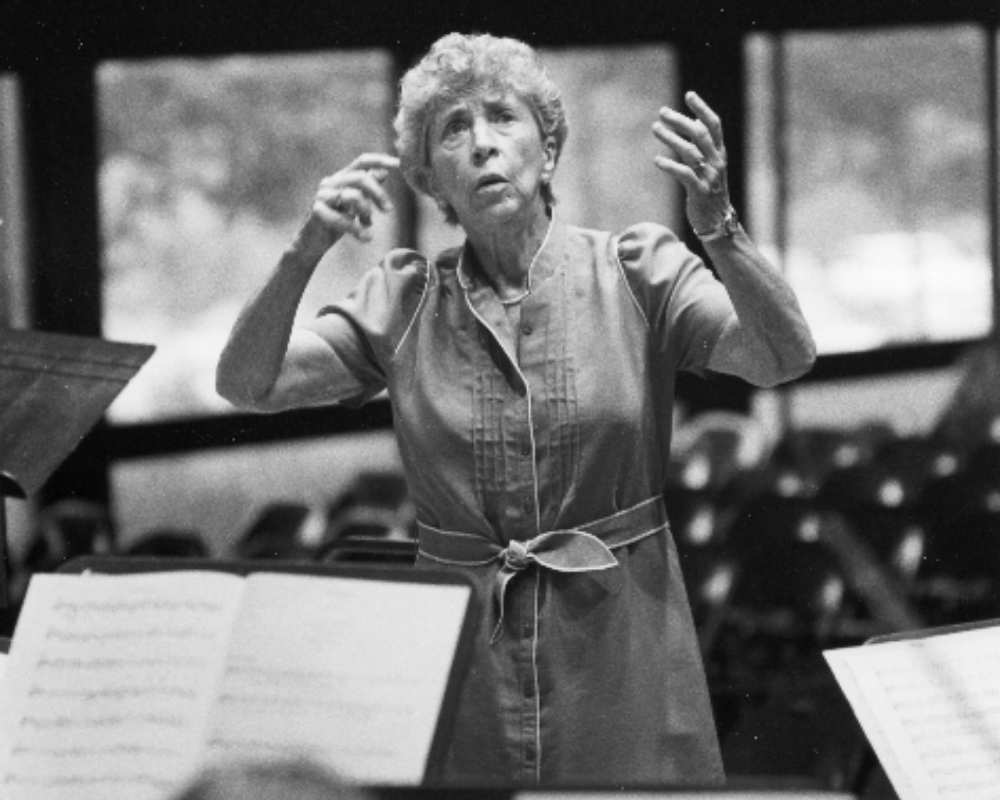
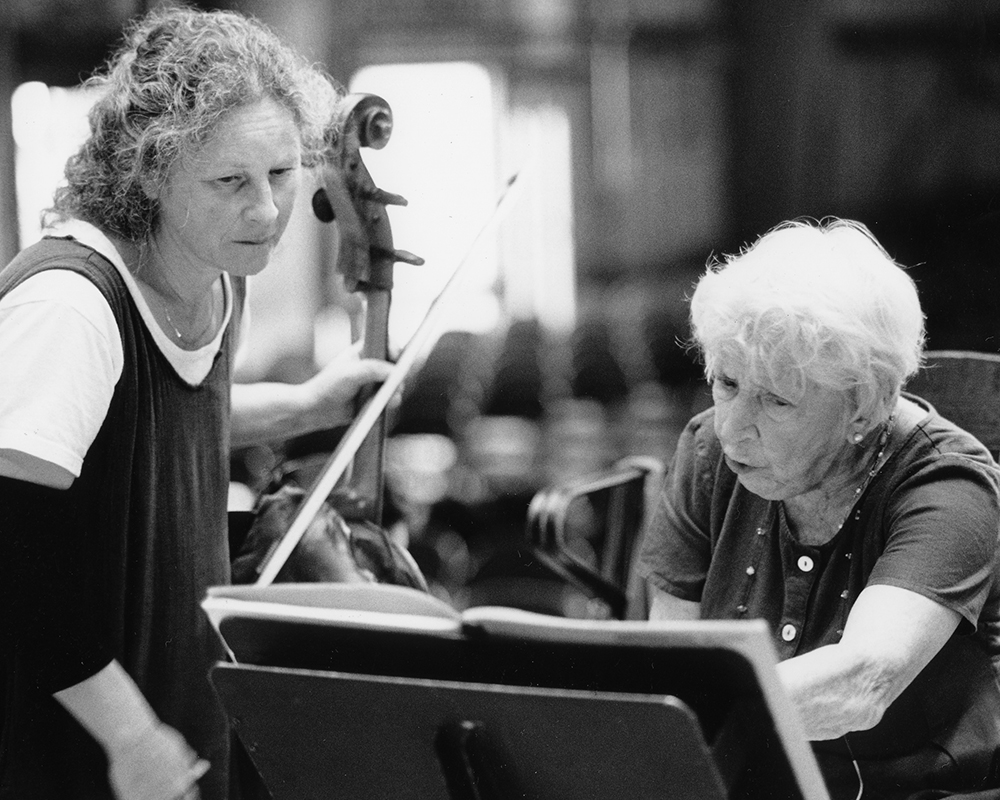
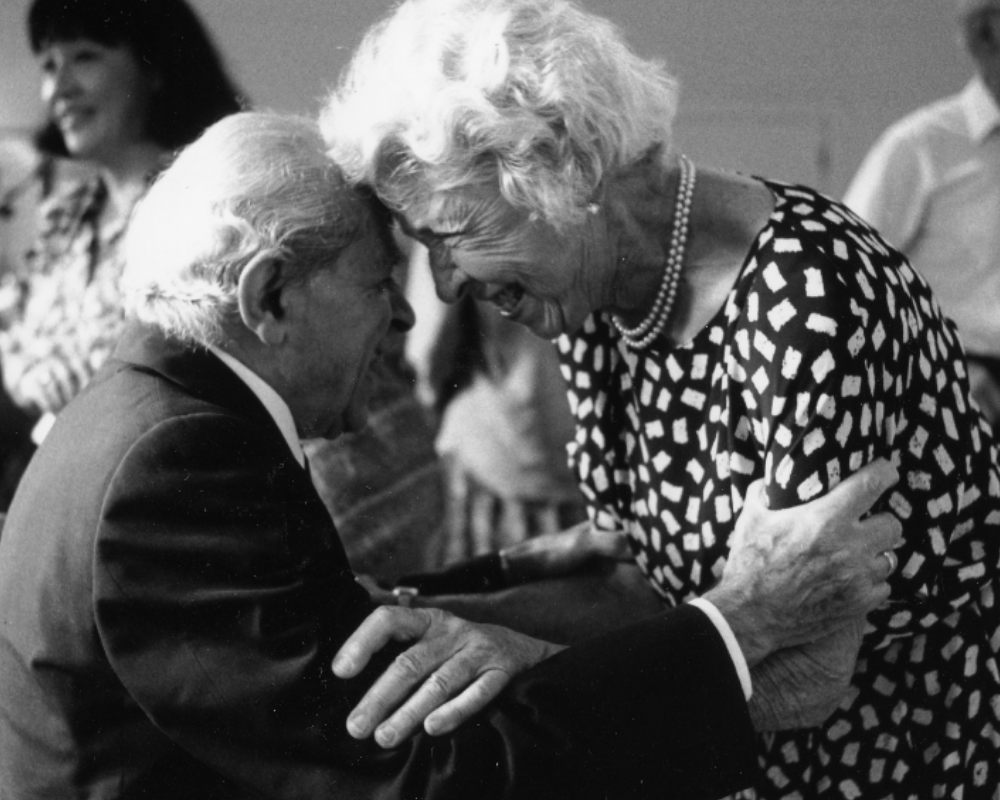
Click any of the pictures below to view an enlarged version complete with additional quotes in the captions.