- Introduction
- Timeline
- Recordings
- Gallery
Introduction
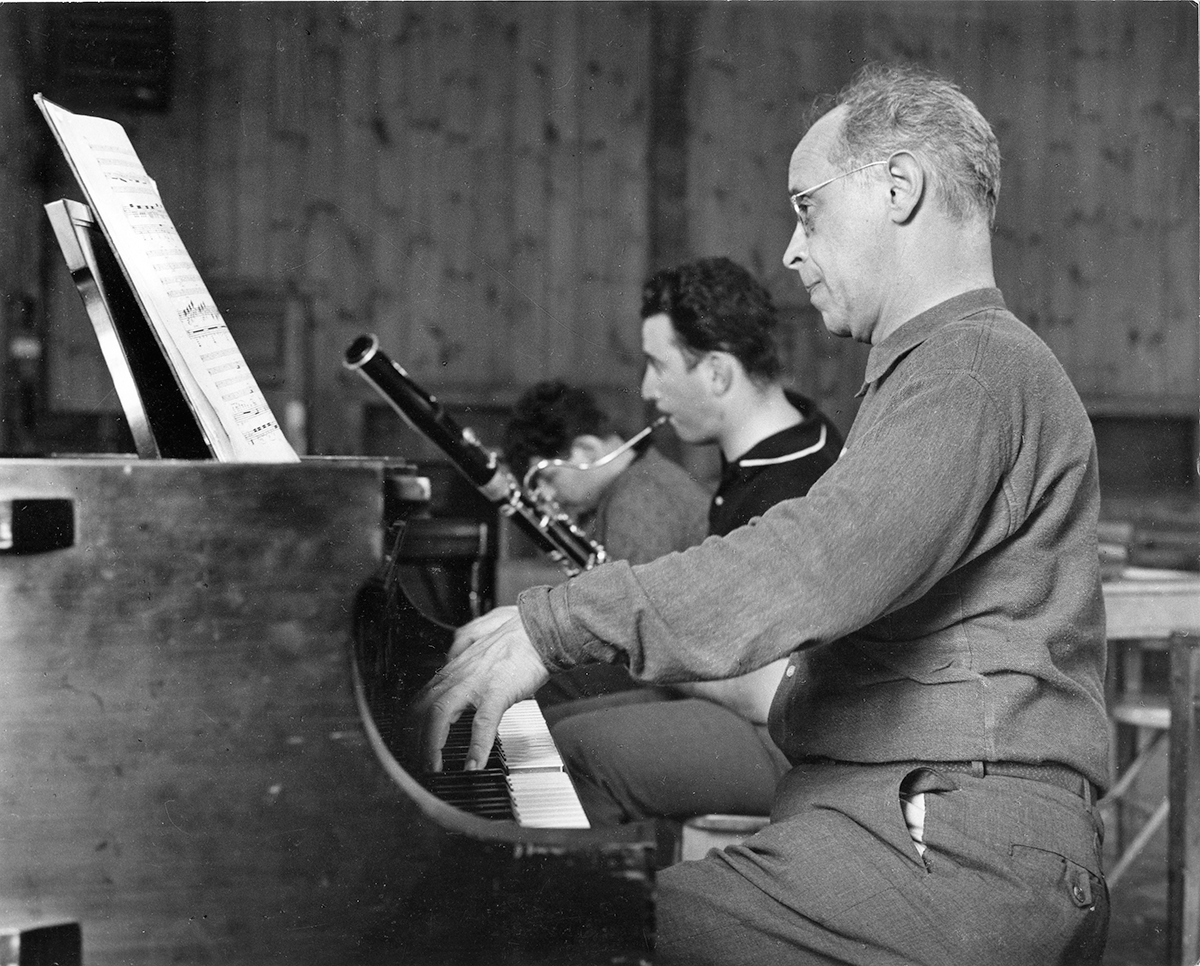
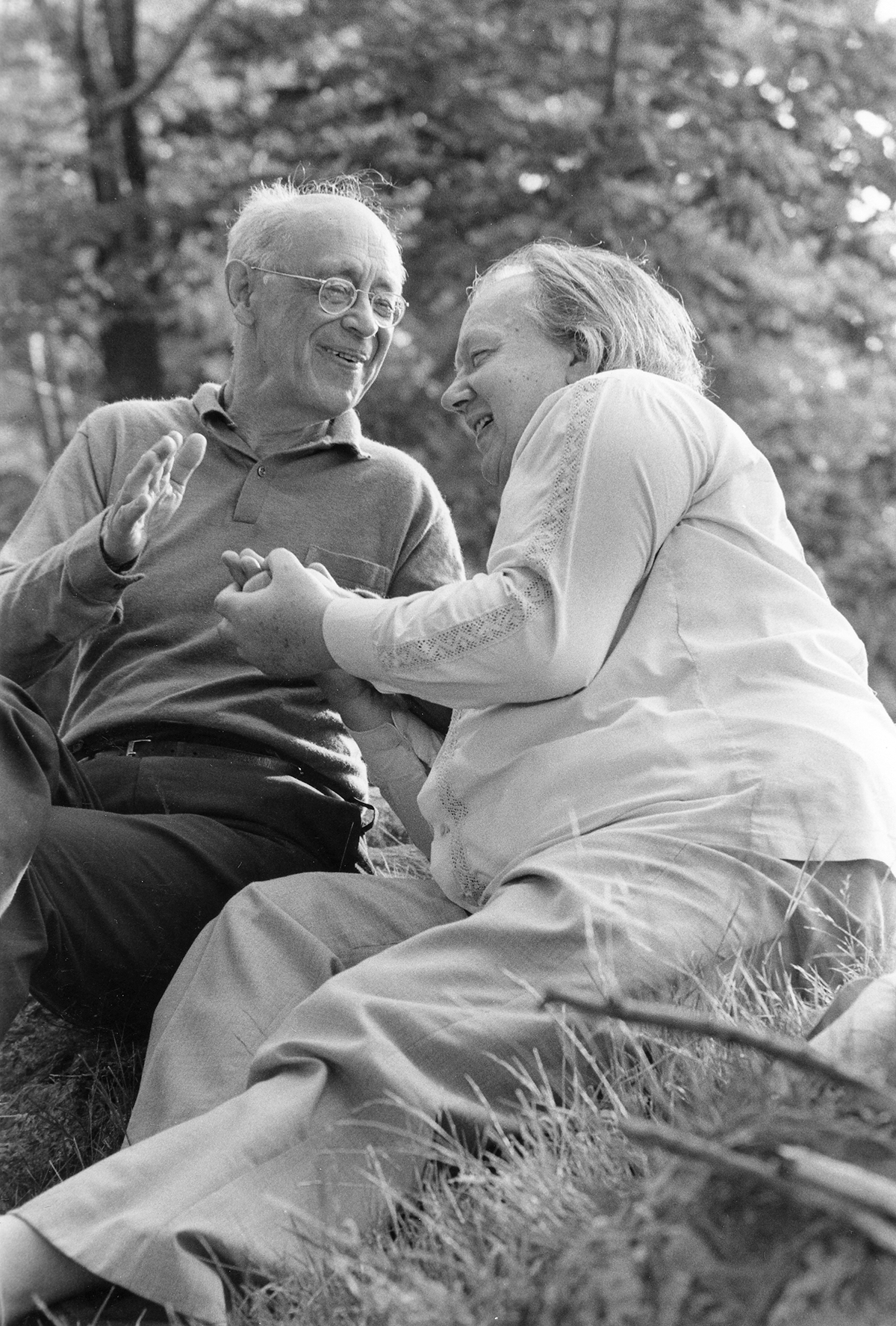
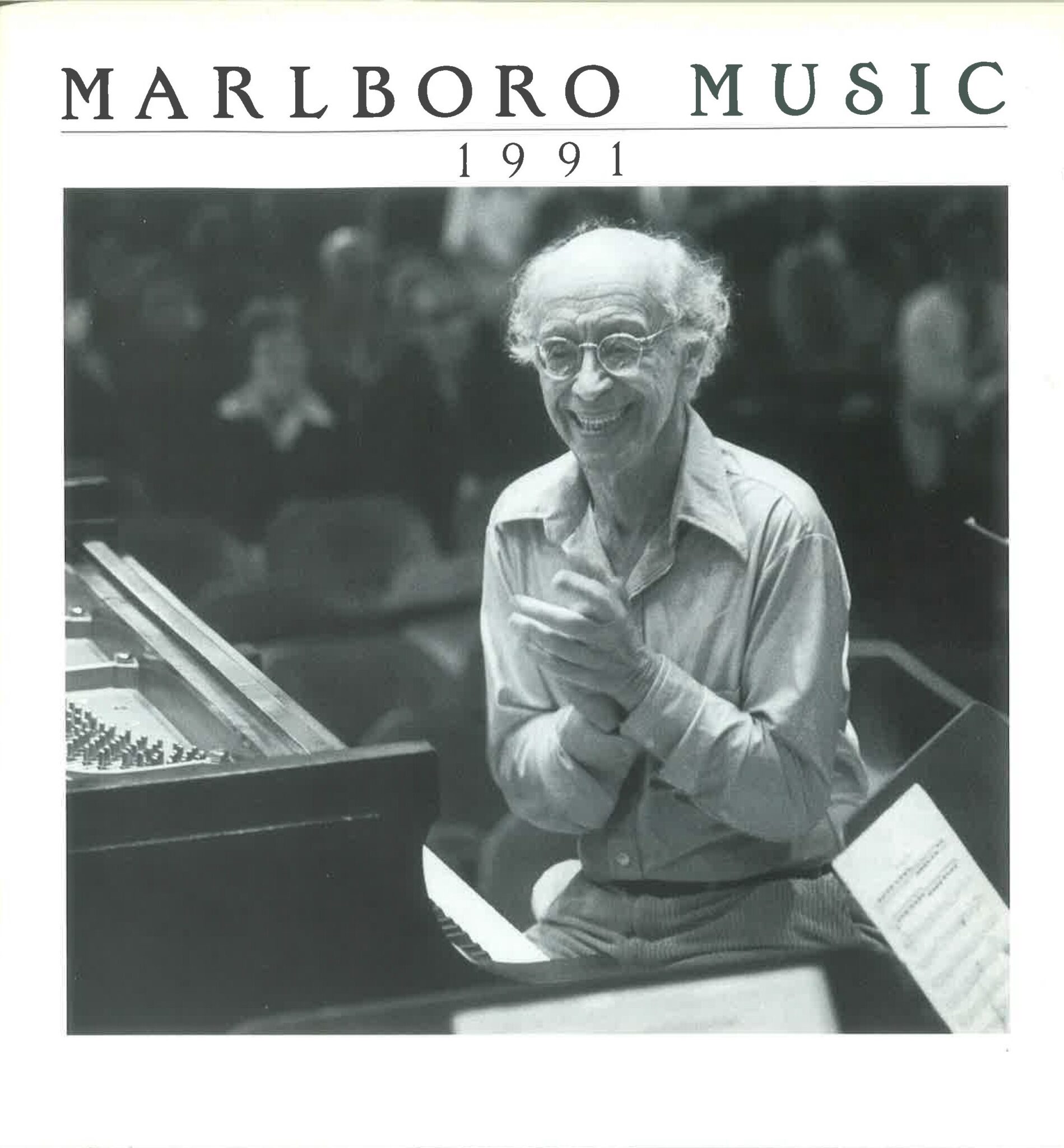
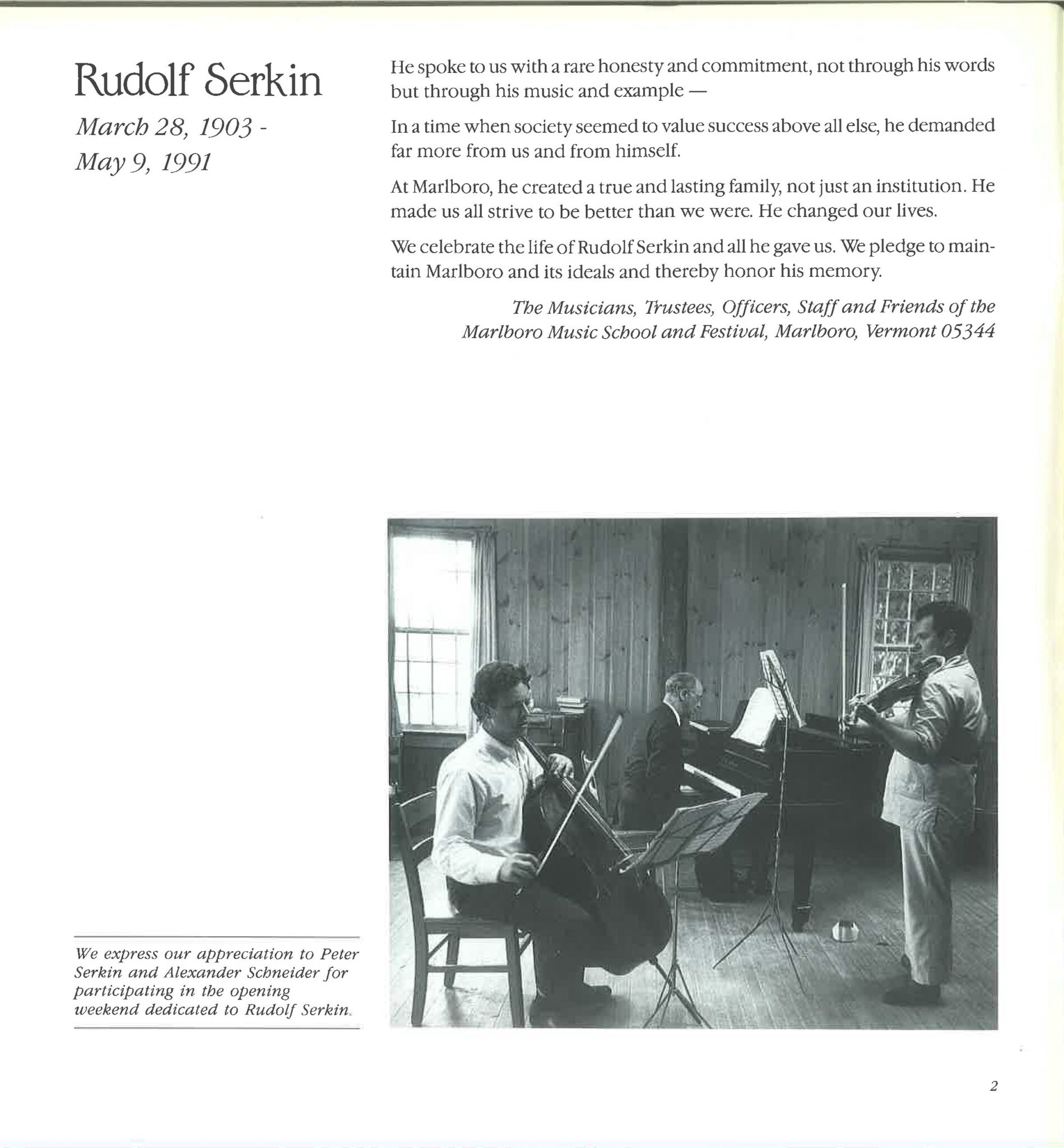
Over the last century, music has been blessed with some remarkable artists whose performances have set standards for their instruments and for the repertoire they have made their own. One of those artists has given us even more. Rudolf Serkin has not only been a major influence through his probing musicianship, he has left a singular and far-reaching legacy, one that has impacted every area of the classical music field.
In setting the standards and creating the structure for Marlboro Music, he opened new worlds for generations of exceptional young musicians who have gone on to become some of the most cherished artists in music.
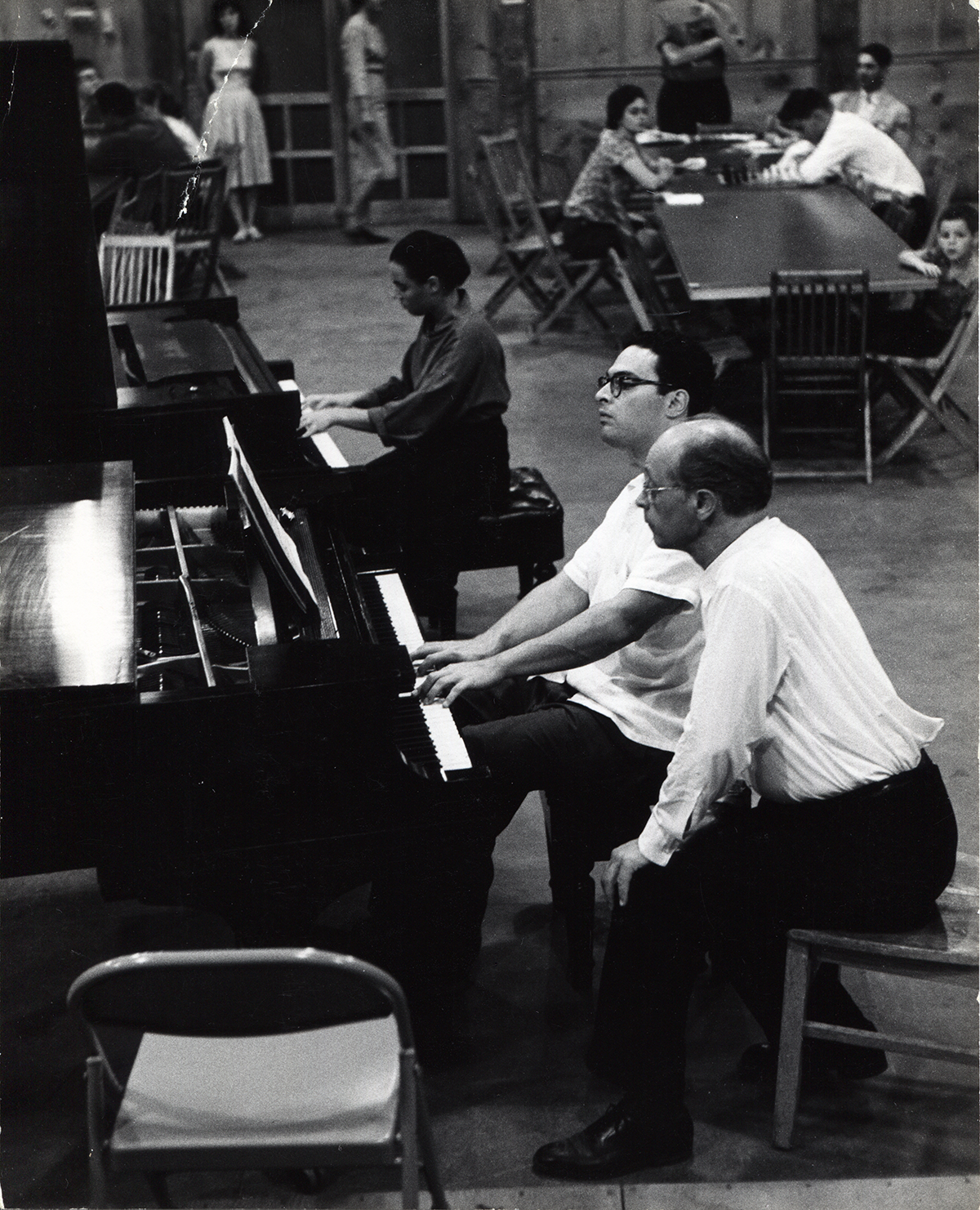
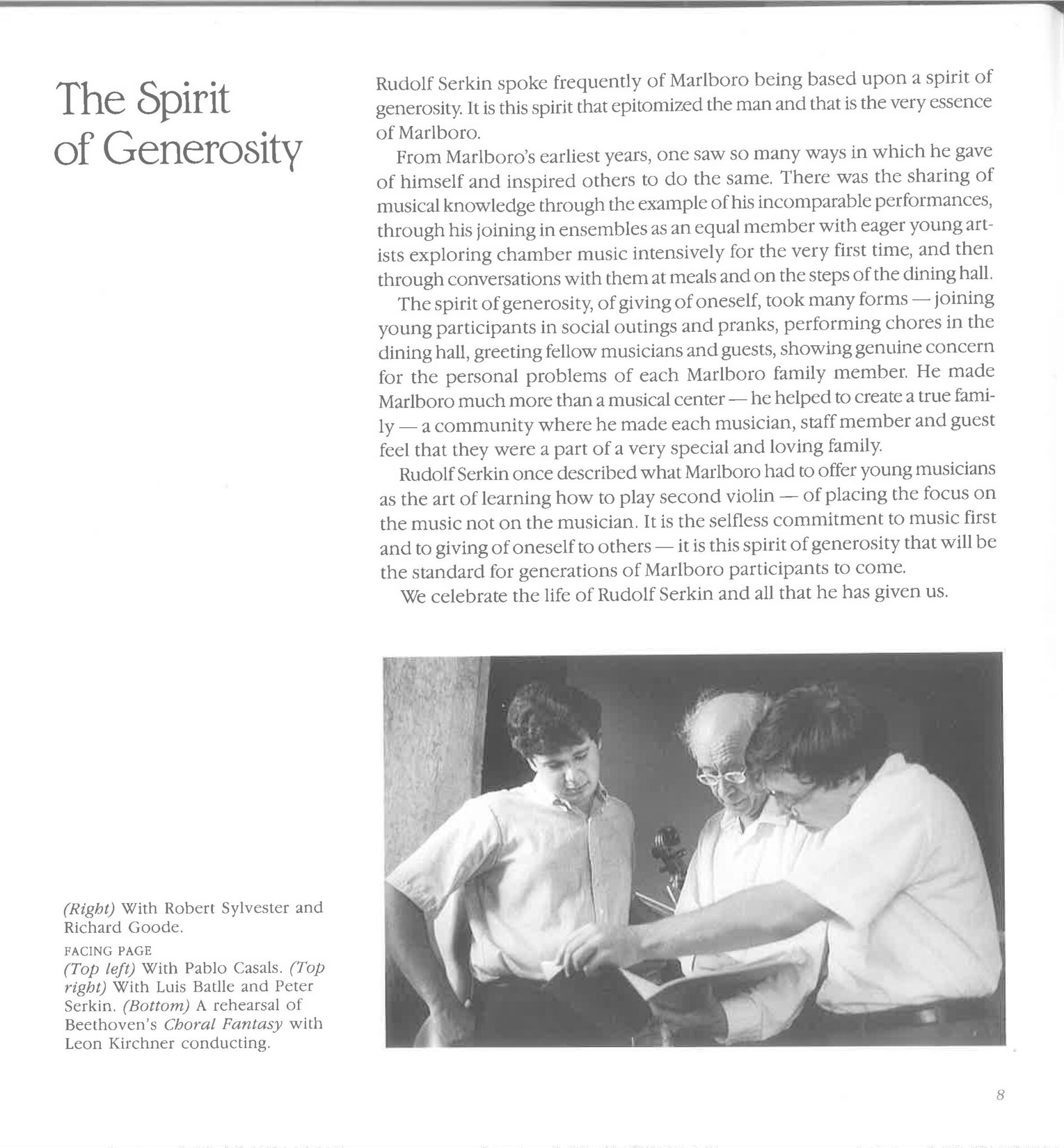
Serkin had the vision to realize that immersing them in exploring chamber music for two months in the summer with unlimited rehearsal time and in the context of a family environment could provide invaluable musical and life lessons. He knew that chamber music provided all the essentials for successful personal as well as musical relationships — one has to learn the score, not only one’s own part; one has to learn to listen and to compromise; and one has to make multiple voices into one. At Marlboro, four generations have drawn from these musical and human lessons, sharing them with audiences, colleagues, and students around the world.
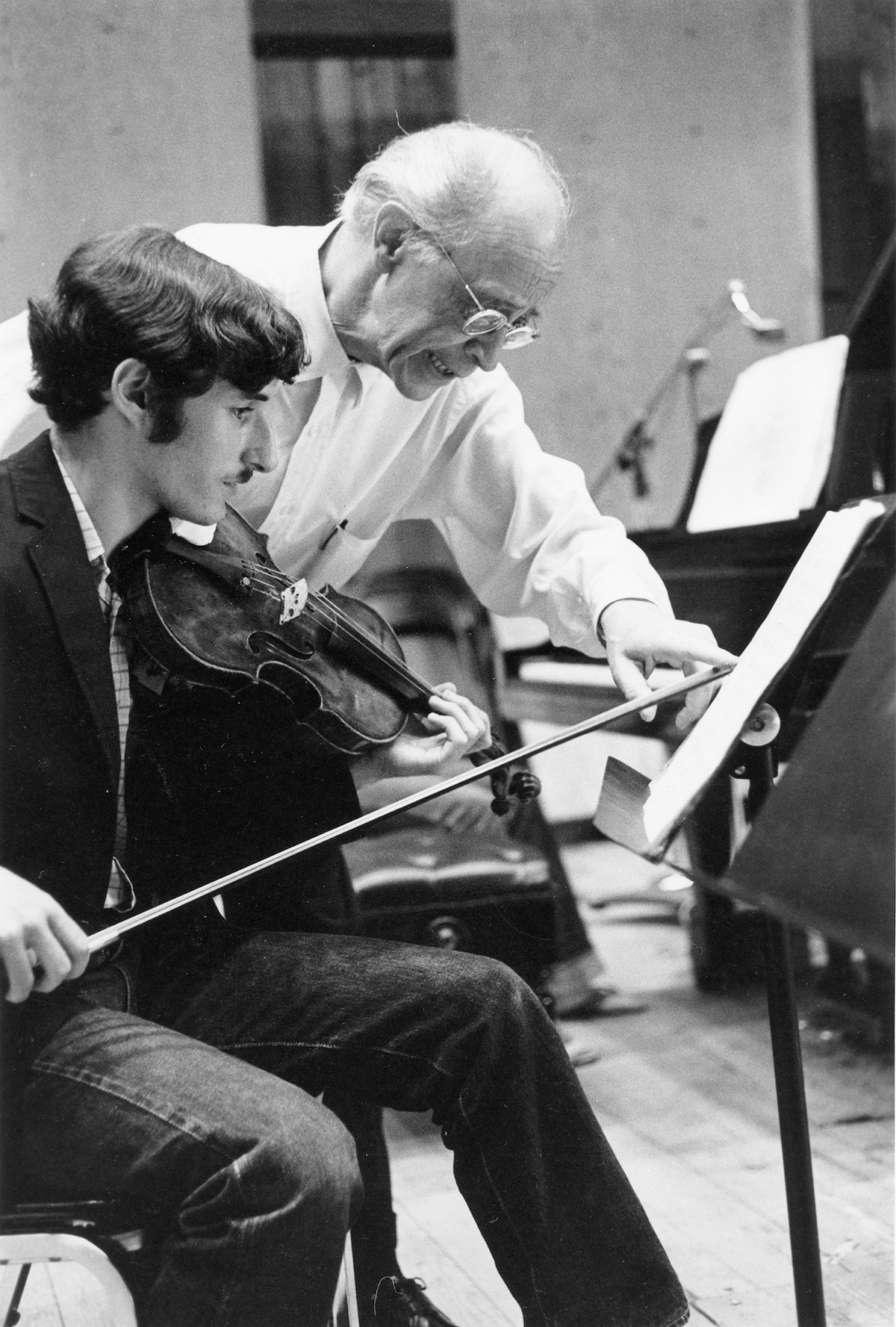
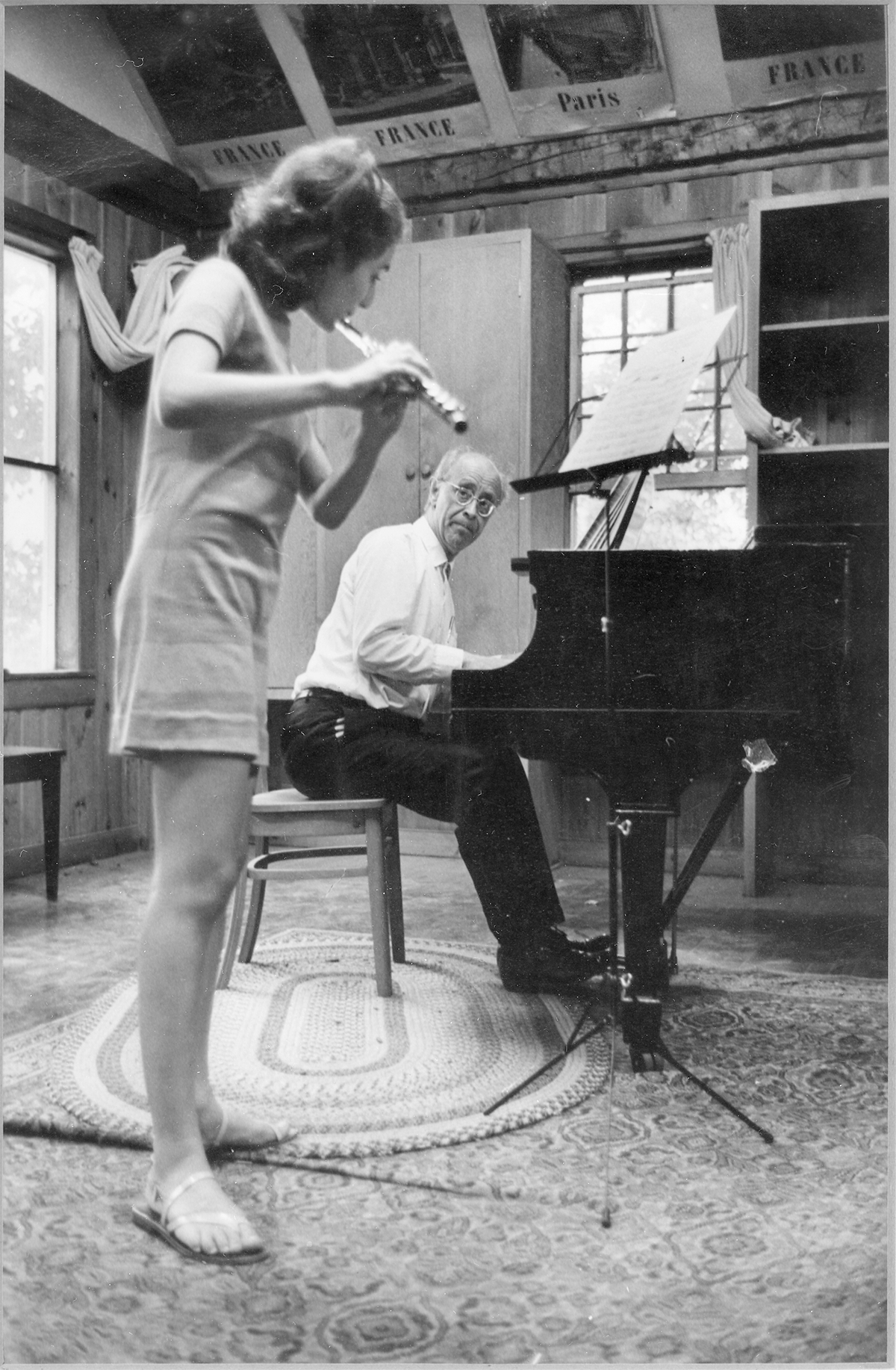
In rehearsal, Serkin was a man of few words; he taught by example; one learned through experience and personal discovery. But an overriding principle of his was that a true musician should strive to serve the composer. Music should not be about the performer but about how one could honestly serve the intentions of the composer. As society accelerated in so many ways, as normal concerts were prepared with fewer rehearsals, Serkin felt that the concept of exploring a piece of music in depth at Marlboro for three to seven weeks was even more important and would offer invaluable discoveries to young artists who had the potential to become musical leaders.
Today, there are four generations of musicians who have benefited from Rudolf Serkin’s musical and humanist vision, and there are programs around the world that have emulated aspects of the special community he fashioned in the rural beauty of Vermont. He created a true and lasting family, and he made us all strive to be better than we were. He changed our lives. It is a legacy for which music and all those who have been affected will forever be grateful.
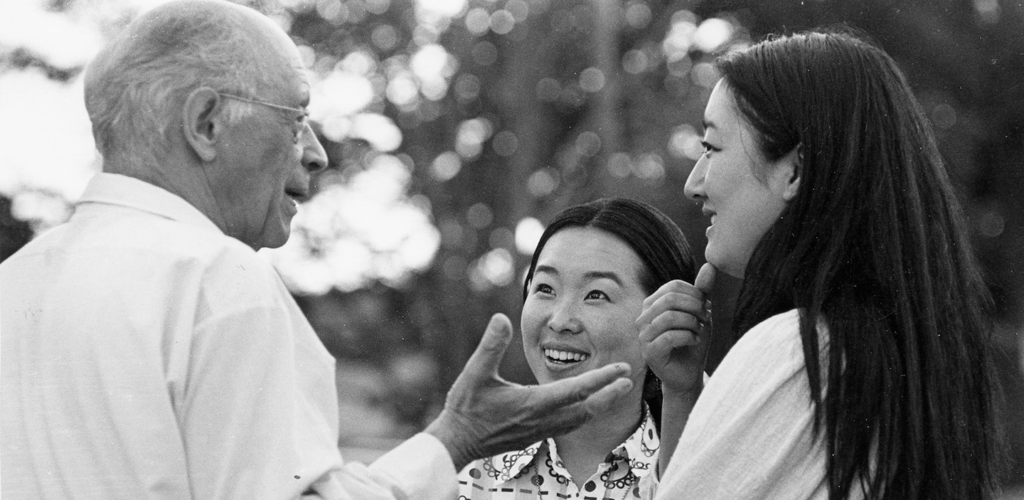
An Open Door: Mitsuko Uchida & Jonathan Biss on Serkin’s Enduring Spirit
“He was a person who was always searching… and that searching never stopped until the very end. He taught us that the intensity of the search is the music itself.” —Mitsuko Uchida
“Serkin made the ‘searching’ more important than the ‘finding.’ To be at Marlboro today is to feel that his uncompromising honesty is still the air we breathe… You feel his ‘searching intensity’ in every barn on this campus.” —Jonathan Biss
“We are not here to preserve a museum; we are here to continue the search. Rudolf Serkin didn’t leave us a finished building; he left us an open door. Our job is to keep walking through it with the same curiosity and the same ‘searching’ intensity that he had until his very last breath.” —Mitsuko Uchida
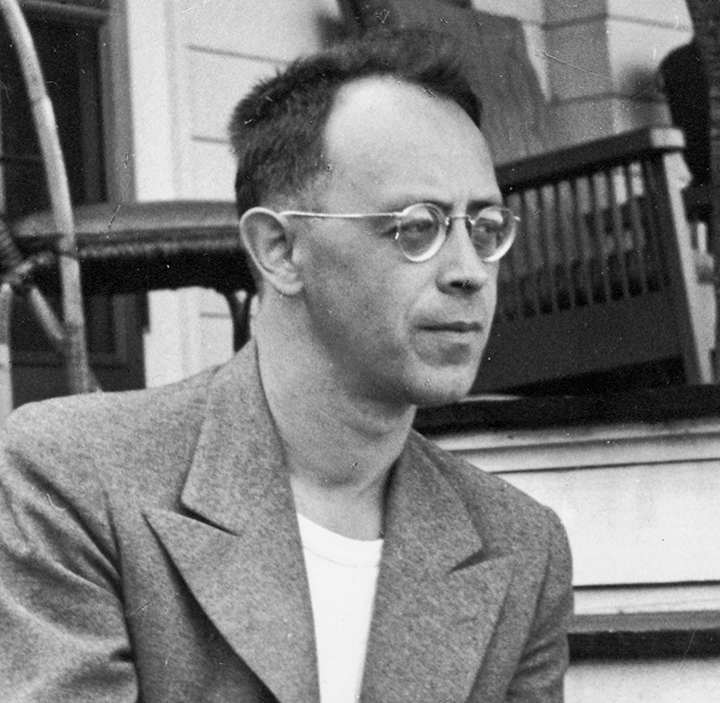

A Grandson Remembers
Christopher Serkin
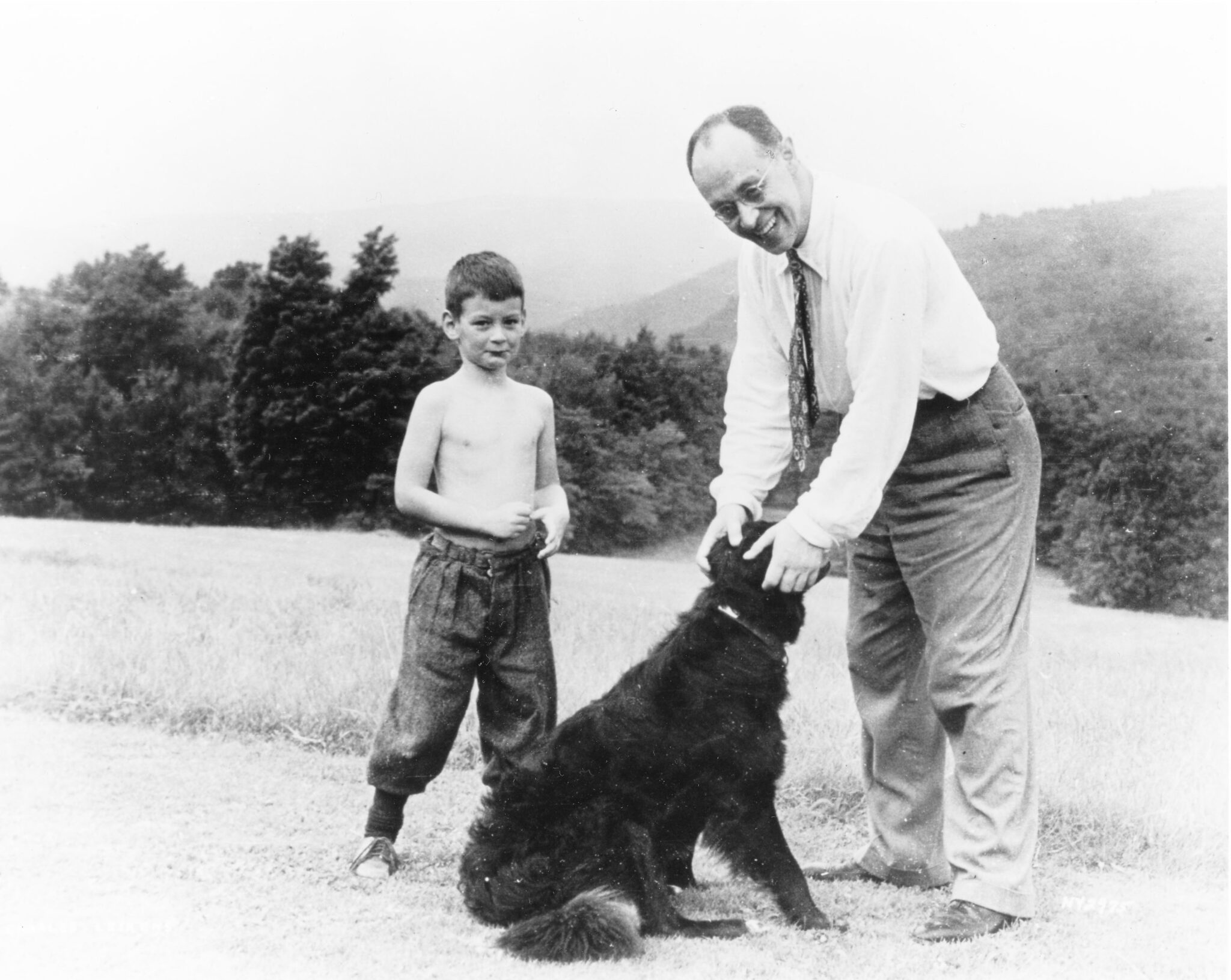
It is almost impossibly difficult to capture a single image of my grandfather. On the one hand, he was absolutely devoted to music. He practiced 6-8 hours per day day, every day that I knew him, because he felt a kind of moral compulsion to the serve the music as well as was he could. In conversation, over dinner, his hands were never still, as if he were practicing trills and particular passages on the table or on his lap. I heard once that the Zen Buddhist Philip Kapleau said he had encountered two enlightened people in his life: the Dalai Lama and my grandfather for whom practice was the most intensive meditation. His mind was always in music. He told me once that he had complained to Arturo Toscanini that he always had music running through his head and had trouble sleeping. “Yes, isn’t it wonderful?” Toscanini had replied. My grandfather said, “Well, you have all the symphonies. I only have the piano repertoire!”
But he was also the most mesmerizing grandfather, sly and full of fun. When I was in 8th grade, my grandparents took some of the family to the Waldhaus in Switzerland. This is one of the grand European hotels, up in the Engadine, with nearby hiking the alps. The hotel itself was elegant and very Swiss. Everyone would dress for dinner and would be assigned a table for their whole stay. Because of his stature, we were given the center table; a large elegant circular table in the middle of the dining room. The first evening, we all gathered for dinner and Papa Rudi—as I called him—immediately started misbehaving. He took one of the crispy bread sticks on the table and stuck it up his nose and then made an exaggerated show of eating it. I think he threw a dinner roll at me. In these moments, he would have an overly serious look on his face while studiously avoiding making eye contact, and I loved it. For the next meal, the Waldhaus moved us to a remote table in the corner, as far from the other guests as possible.
Easter was always a big family gathering in Guilford, Vermont. This may be surprising. My grandfather was Jewish, of course, and had fled Germany in the 1930s. But we always celebrated the major Christian holidays. And so Easter was a time for family traditions. My grandmother would give us all chocolate bunnies and would boil and hide dozens of Easter eggs around the house and the kids would race around trying to find them. We would then come together for the meal and engage in a ritual egg-smashing contest. You would challenge someone and then smash your eggs together. The shell of only one would break, and that person had to eat their egg. Last egg standing won. I challenged my grandfather and his shell broke. But because my grandmother made an enormous quantity of eggs, boiled in overlapping batches, she sometimes made mistakes. This time, his egg was nearly raw. When his shell broke, the barely congealed albumen started to ooze out of the cracks. But with an impish look, he opened the egg the rest of the way and slurped down the raw egg, just to amuse and horrify us. It worked.
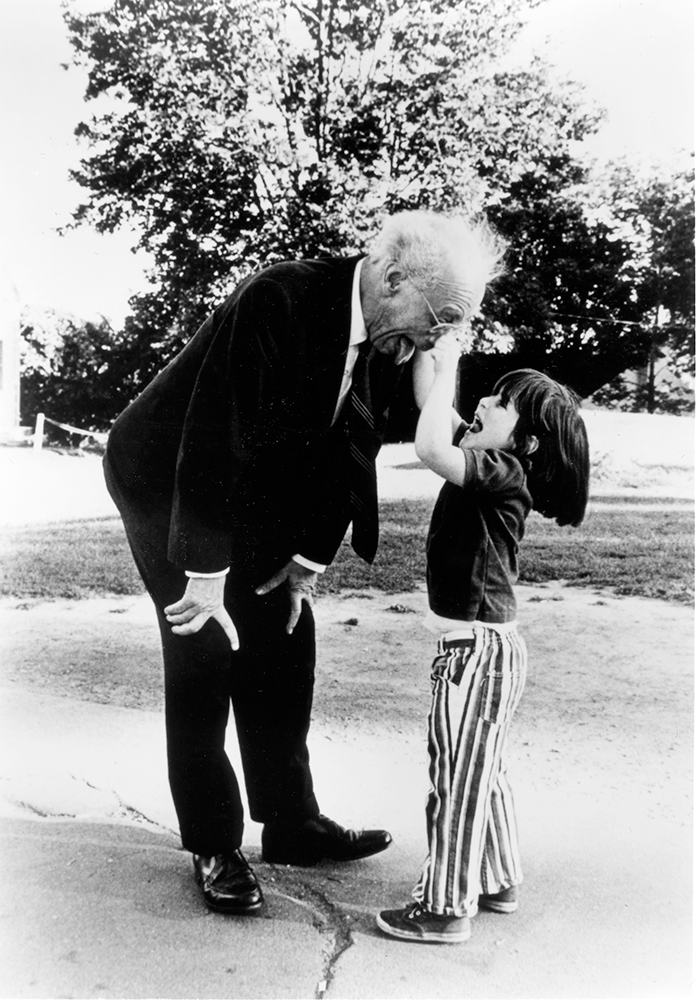
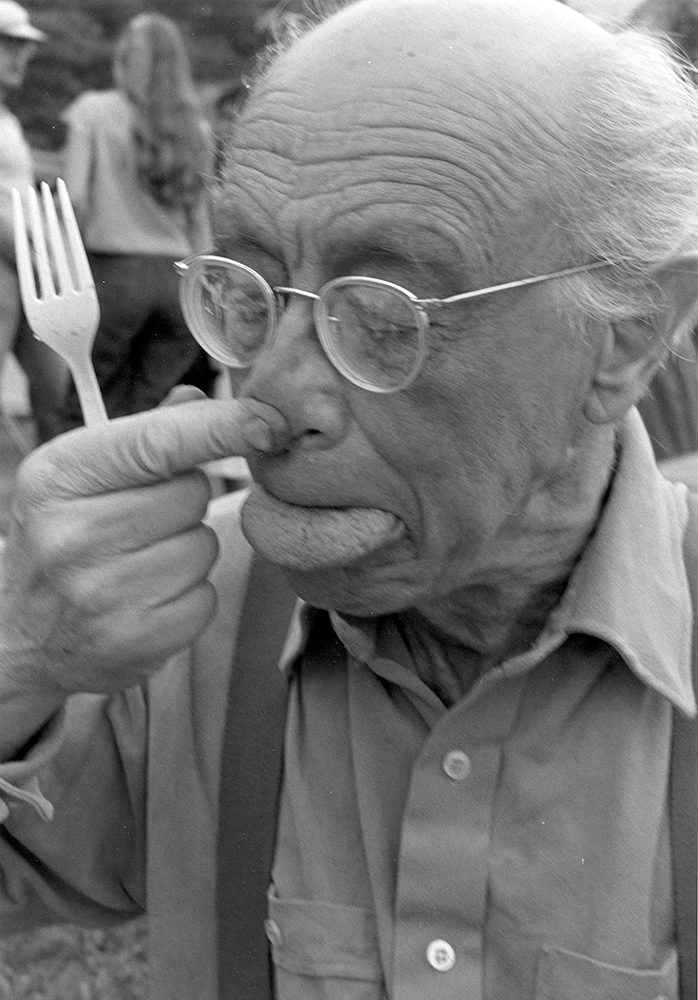
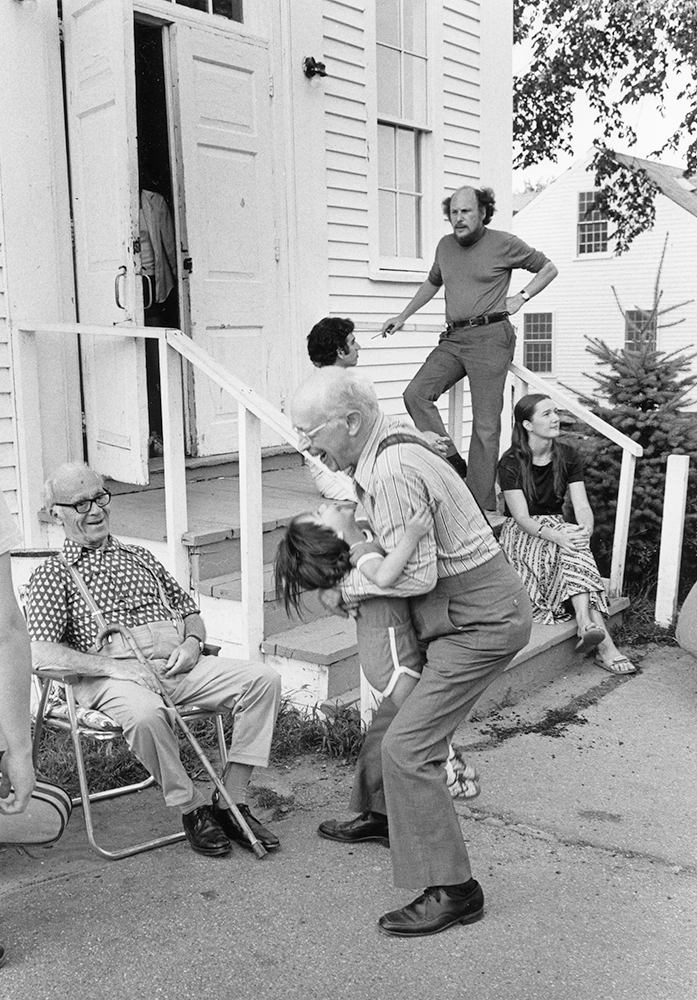
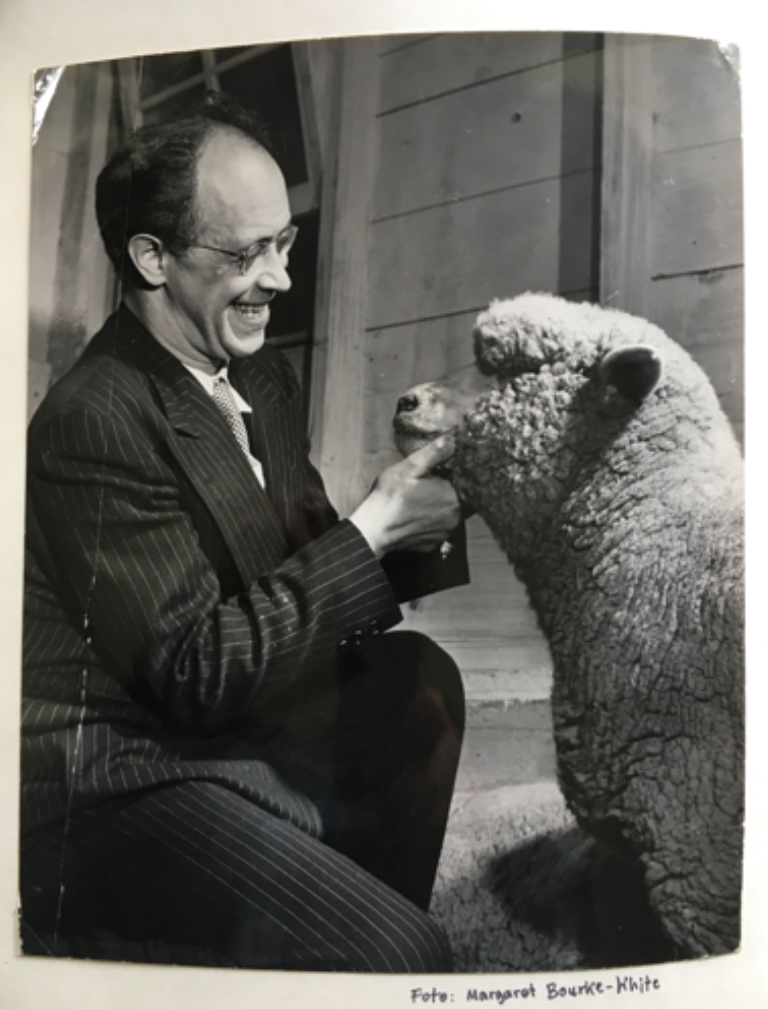
At Marlboro, he was an inveterate prankster. One summer, he had found at a novelty store a bag of fake plastic ants. He kept them in his pocket and, when given the chance, would sprinkle them on to some unsuspecting musician’s food when they weren’t looking. He threw wadded-up paper napkin balls at everyone. He made funny faces, pulling his mouth wide apart. He always held people’s jackets for them as if to help them put it on, but would then move the arm just out of reach, making them turn in an absurd circle chasing the armhole. One year, as a practical joke, the violinist Pina Carmirelli sent him a block of blue cheese from Italy, third class surface mail. When it arrived, it was so ripe that the post office called to demand that he pick it up immediately. He kept it for the whole winter and left it under Pina’s pillow on campus, waiting for her the next summer.
He could joke about anything, other than music. One summer, someone left a whoopie cushion on a piano bench. As much as my grandfather liked whoopie cushions, that person was almost not invited back to Marlboro because it implicated the music. For music, he was completely uncompromising both for himself and others. I was his driver one summer and drove him home after a concert. I knew had hadn’t liked a particular performance featuring a senior musician who was an old friend. He was quiet for much of the ride and then said, “Playing like that makes me dislike him as a person.” I asked him how he could be so hard on someone else when he was always confronting his own limitations as a pianist. I remember his answer verbatim: “It’s not that I am any good. It’s that he was so bad.” Another time, I think I was with my mother, and we asked him whether he ever felt happy with his own playing. He said that twice in his life, onstage, he had felt himself disappear and Beethoven replace him at the piano, playing through him. He made it sound like those had been the two transcendent moments of his life and he was always trying to recapture them.
When I was 16 or 17, my grandfather invited me to come with him to Vienna for three weeks—during the school year—to stay with him while he was performing and recording with Claudio Abbado and the Chamber Orchestra of Europe. He had always told me he wanted to take me to Vienna, but usually in a way that sounded more like an expression of affection than anything like an invitation. But this was an actual invitation. And it would be just the two of us. He often took family with him on tour, and so I had been to many places with him before, but always with my parents. This was my first time in Vienna, and my first time traveling alone with him. Vienna held a real magic to me, mostly because of his stories. He had lived there for some of his very formative years, from the age of 7 into his teenage years. I had heard his stories about studying with Schoenberg, about his close friendship with the painters Oskar Kokoschka and Egon Schiele and with the architect Adolf Loos. They used to pay visits to the “old man” Gustav Klimt and snickered behind his back about his decadent style of painting.
My grandfather was probably 82 or 83. We stayed at the Hotel Ambassador on the Käntnerstrasse. It was an extravagantly elegant hotel, but for him it was a necessity. He required a good Steinway grand piano in his suite. We had arrived in Vienna about a week before his first rehearsal with the orchestra to give him time to acclimate to the time difference and to practice. He was then to play and record a Mozart Piano Concerto. All told, we were to be in Vienna for just over two weeks together, before traveling to Italy for another concert. We established a daily rhythm. We would meet for an early breakfast in the hotel. And then we would take a long walk—maybe an hour or and hour-and-a-half—and he would tell me stories from his childhood about the places we discovered. We’d go back to the hotel and he would practice for the rest of the day while I wondered around the city, and then we would meet again for dinner in the hotel and another stroll in the evening, usually involving some Sacher-Torte or other pastry from a shop.
The stories were the high point, but just being in the hotel with him was memorable. My little room was next to his suite and so I heard him practicing constantly. But I never heard music. He began each day with at least an hour of scales and arpeggios, starting painfully slowly and then gradually picking up speed. Up and down, up and down, endlessly. And then he would start to work on the Mozart he was to perform. But this was not practicing the way I imagined. He would move from from one tricky passage to another—maybe just one fingering or one jump—and play it over and over. Never in context. Never as part of a phrase. Just the one jump, again and again. One day, I asked him if was ever going practice the piece. He said, “I am practicing, but always up here,” pointing to his head. “The playing is just for the muscles.” At one point, we were being driven somewhere. It was a long trip, maybe we were in Italy already. He said, “I have to practice.” He pulled out his pocket watch, looked carefully at the time and the leaned his head back and closed his eyes. Approximately twenty minutes later, he opened them again and looked down at his watch. “Ahh,” he said. “It’s still a little faster than I want.” Maybe he was just napping, but I don’t think so.
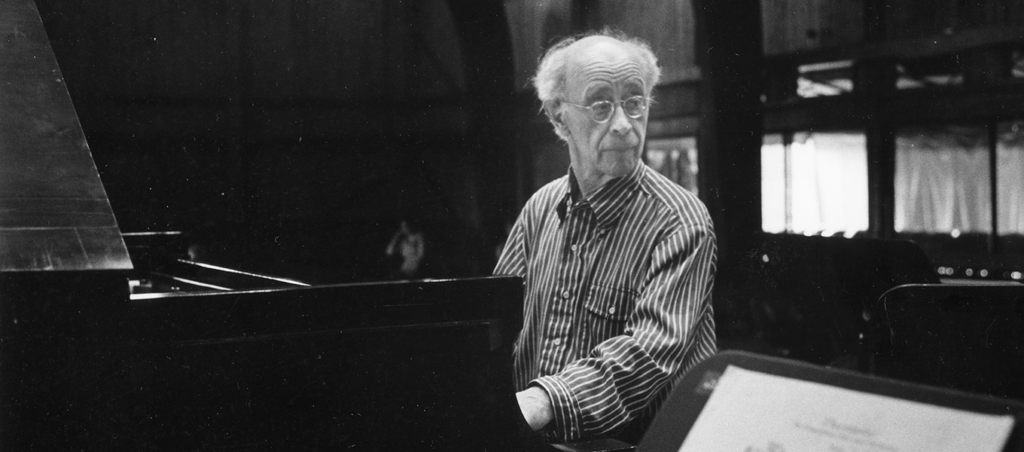
One time I went to his hotel room to retrieve him for dinner but he was still practicing. I opened the door quietly, but the piano was directly in front of me and he was facing me from the other side, the piano bench facing the door. He didn’t notice. His eyes were open, but he seemed completely absorbed. It took maybe ten minutes for him to notice me, even though he was staring right at me most of the time. All of a sudden he saw me, jumped up, and just like that we were out the door. Wandering Vienna with him was, for me, a kind of third-person nostalgia. The streets were still familiar to him, three-quarters of a century later. There, he recalled where Sigmund Freud had lived—the only person in the city who locked his door, according to my grandfather. In that direction was the house where he had lived when he was still very young. It was where a lot of prostitutes had worked. He said they looked out for him and would give him candy on his way to his lessons. One of them later became a mistress of Hermann Göring. She would see lists of names of Jews being sent to concentration camps. She recognized my grandfather’s brother’s name on a list and asked Göring to take him off—which he did. I don’t know how my grandfather knew that story and never thought to ask.
He said he often had a walk to his lessons. He had so little money that he used to think about whether it was less expensive for him to walk than to take the tram, because walking he kept wearing out the soles of his shoes and he couldn’t afford to have them repaired. He described how, once, he had worn through the seat of his pants but couldn’t afford a new pair, so he spent weeks walking holding his music behind him to cover his backside. It was a walking posture he still had when I knew him—fingers interlaced, hands behind his back, tilting slightly forward, and walking quickly regardless of the destination. We found ourselves caught in the rain once, on our way back to the hotel. He asked whether I thought we’d get wetter if we walked quickly or walked slowly. I thought, slowly, for sure. “That’s not what Einstein told me,” he said. They had played in a trio together. At the opera house he said that he had been in the clapping klatsch when he was little—maybe eight or ten years old. It was a protection racket. Clappers would be planted in the audience. If a singer had paid off the right person, the clappers were instructed to clap after every aria. But if a singer had not paid, then the clappers were instructed to boo. For my grandfather, compensation came exclusively from free tickets to the opera, which he attended regularly. After about a year, though, a soprano came to Vienna who dutifully paid her dues to the klatsch. My grandfather said she was so terrible, however, that he could not bring himself to clap and instead booed. That was the end of his clapping career. The organizer kicked him out. But he had already befriended some of the ushers who said that they could continue letting him sneak in if he just came a little late. When I knew my grandfather seven decades later, he still loved opera but claimed he had never heard the overtures or first acts of many of them.
I took a day trip to the opulent Schoenbrunn Palace while my grandfather was practicing. When we met for dinner that night and I told him about my excursion, he said that he hadn’t been there since he used to go and play for the workers and orphans during the War—by which he meant World War I. As he recalled, communists had turned the palace into a kind of makeshift orphanage, and he would go and play concerts for the children.
He had never gone to school in any formal sense and had only studied piano. Nevertheless, he had been in rarified circles in Vienna. I complained once about high school. When he seemed surprised, and said that school was wonderful, I asked what he knew since he’d never gone to school. “I took a class once,” he said. I was surprised, having never heard this before. I asked him what class. “It was a composition class. Schoenberg was the teacher. And there were three of us in the class. It was Anton Webern and Alban Berg and me.” I remarked that my public high school in Brattleboro, Vermont did not have any classes like that.
He seemed to love the Konzerthaus. He explained that there were two main concert halls in Vienna, the Musikverein and Konzerthaus. As he described it, the Musikverein was overly opulent and ornate. The Konzerthaus was the more “honest”. In various ways, through many different recollections, he painted a picture of fin de siècle Vienna as a place of generational conflict. The first secessionist school—already reacting against their more decadent predecessors—were seen by the second secessionists as too decadent. He and his circle saw themselves as purists, trying to invent a new form of expression. For my grandfather, Schoenberg was the leader, demanding an approach to music that was always striving to present the work in its most honest form. The architectural preference for Konzerthaus was part of that same approach. I know many people thought of my grandfather as one of the great classical pianists, focused on the classical repertoire. But I think he always viewed himself as a kind of artistic revolutionary, committed to an approach to music that he learned in Vienna at the turn of the century.
Timeline
Videos
The first two videos originate from a Bell Telephone Hour episode focusing on Marlboro, shown on NBC in December 1967. In the first, Mr. Serkin speaks about the founding of Marlboro and its enduring values, followed by a rehearsal of the first movement of the Schubert ‘Trout’ Quintet, in which he is joined by violinist Jaime Laredo, violist Philipp Naegele, cellist Leslie Parnas, and double bassist Julius Levine. The complete theme-and-variations fourth movement of the work is heard in the second video, from a performance in July 1967. The third video is excerpts (frustratingly incomplete!) from an extended conversation between Mr. Serkin and the violinist Isaac Stern, filmed as part of a PBS 70th birthday tribute to the pianist.
Recordings
The first three of these live performances are not duplicated in Mr. Serkin’s commercially recorded repertoire. The Brahms Horn Trio performance from 1987 is a more mellow, autumnal performance than his celebrated 1960s recording with Michael Tree and Myron Bloom. It is spectacularly well played by a young Pamela Frank (violin) and Julie Landsman (horn), who won the principal horn seat at the Met Opera Orchestra just two years prior to this performance. Finally, a memorable 1981 performance of the Beethoven Choral Fantasy (conducted by his son Peter Serkin), the work that ceremonially brings together all participants to close most Marlboro summers, a tradition begun by Rudolf Serkin.
Audio Recordings from Marlboro
Beethoven: Piano Trio, Op. 1, No. 2
Performed by Rudolf Serkin, piano; Pina Carmirelli, violin; and Ronald Leonard, cello in 1970
Reger: Violin Sonata in C Minor, Op. 139
Performed by Pina Carmirelli, violin & Rudolf Serkin, piano in 1972
Dvořák: Piano Quartet in D Major, Op. 23
Brahms: Horn Trio in E-Flat Major, Op. 40
Performed by Julie Landsman, horn; Pamela Frank, violin; and Rudolf Serkin, piano in 1987
Beethoven: Fantasia for Piano, Chorus and Orchestra, Op. 80, “Choral Fantasy”
Gallery
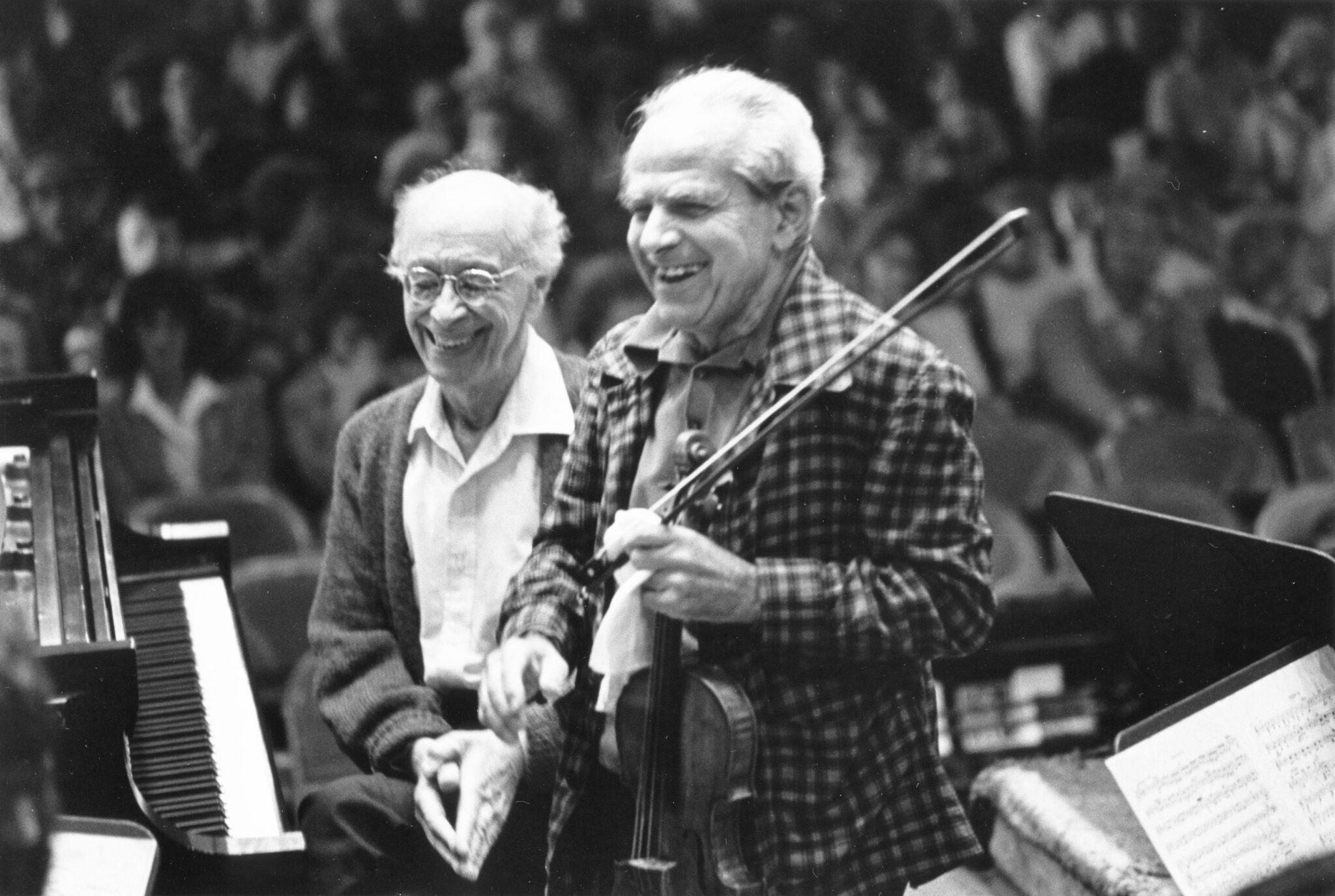
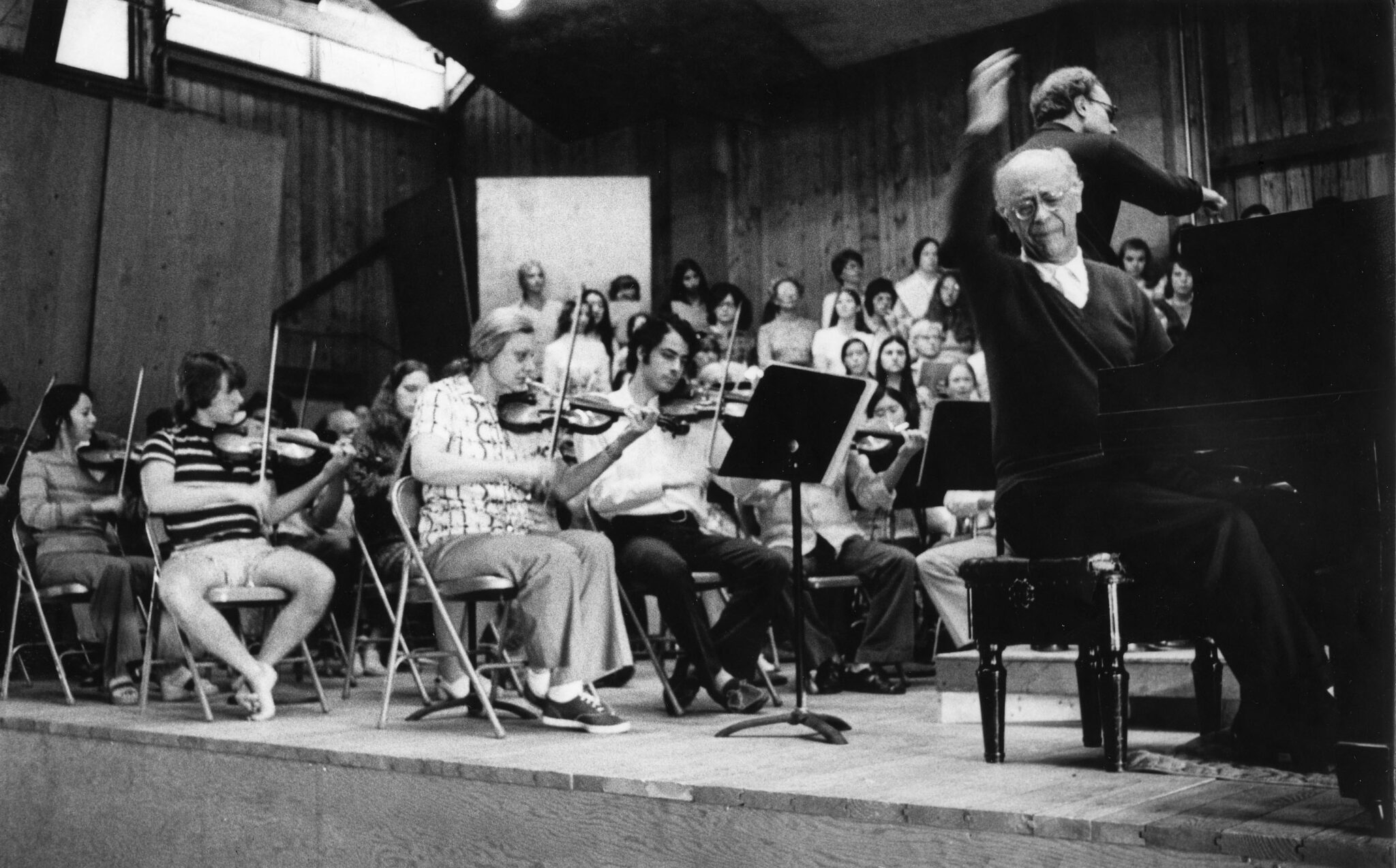
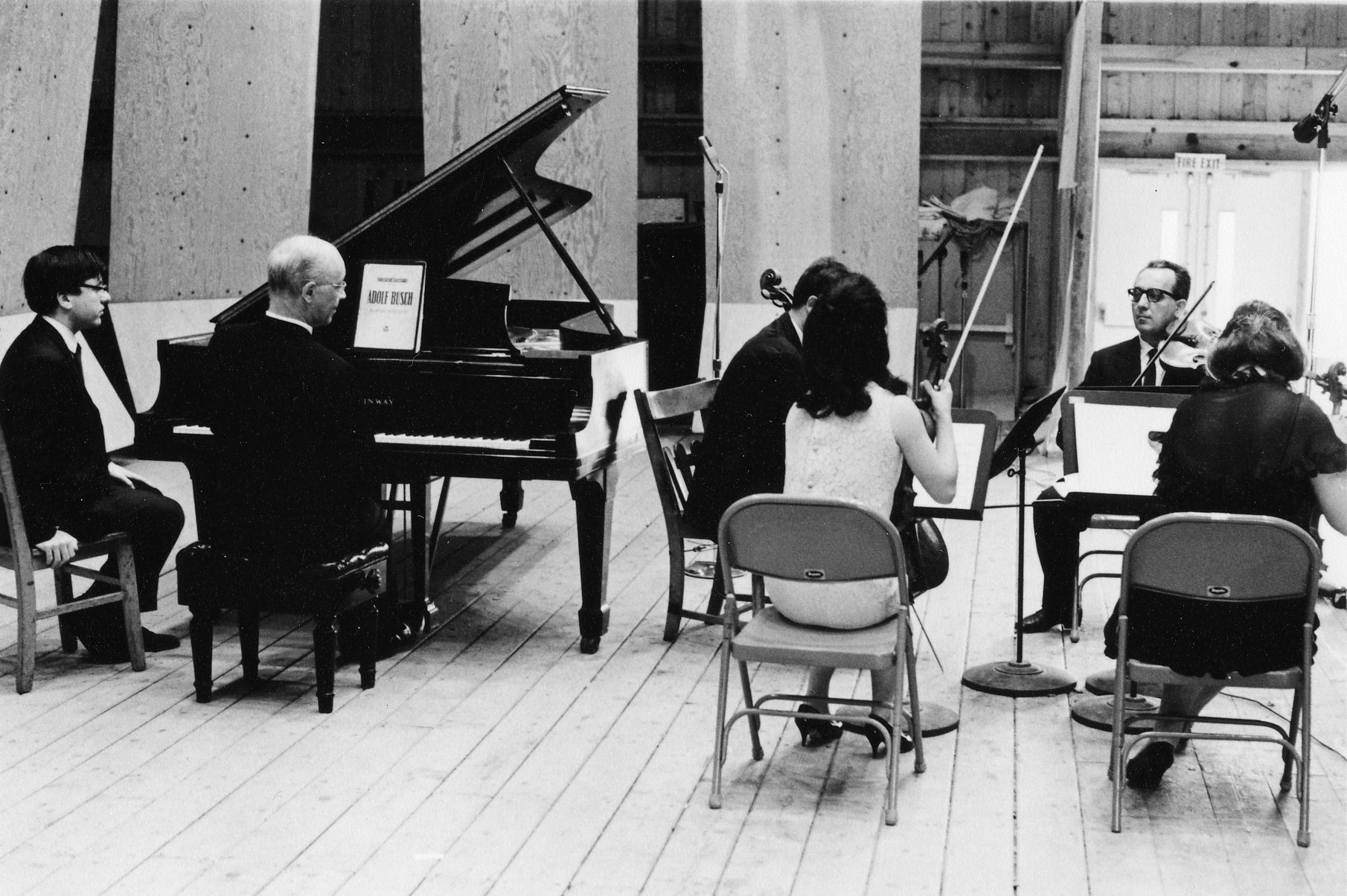
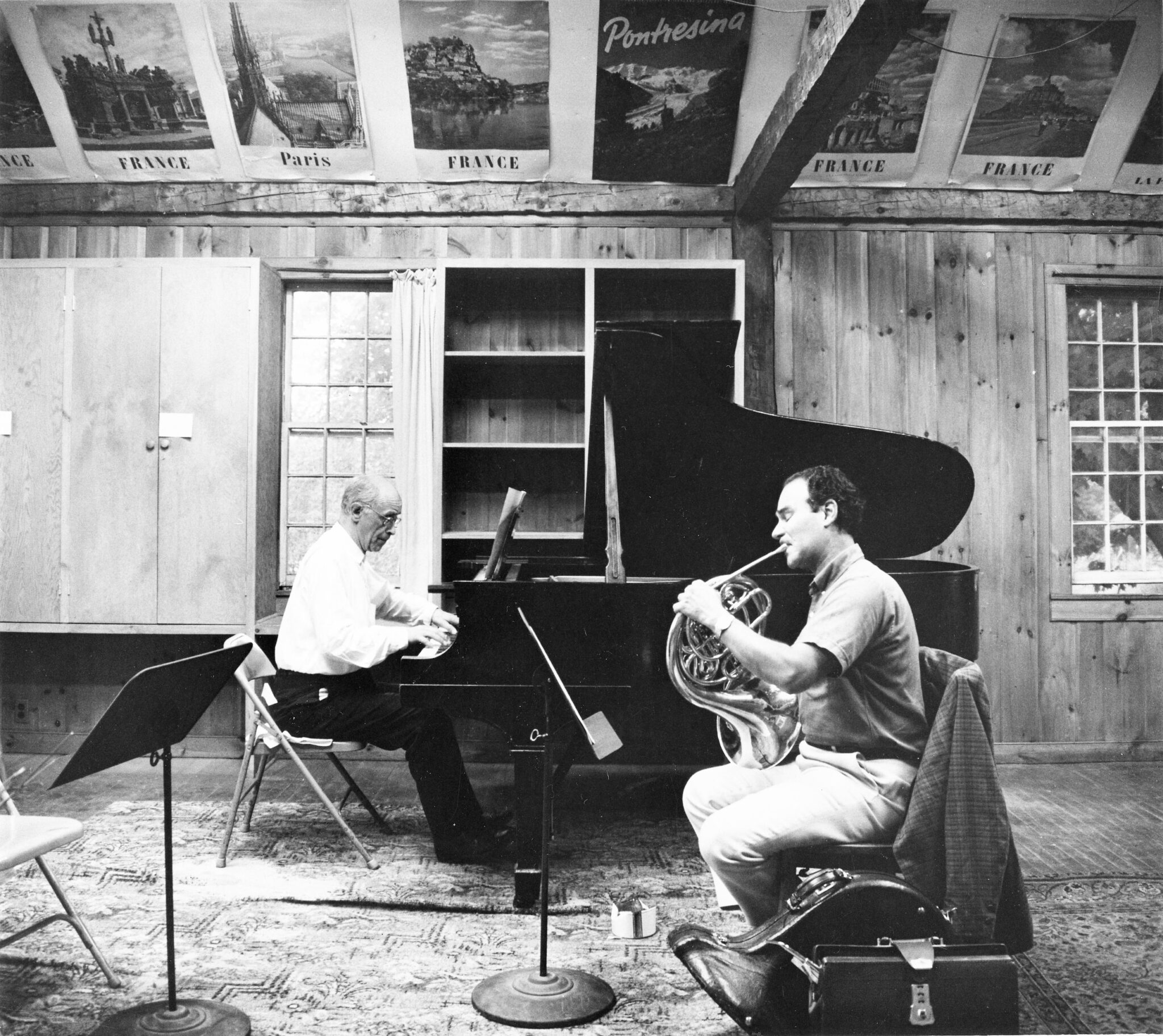
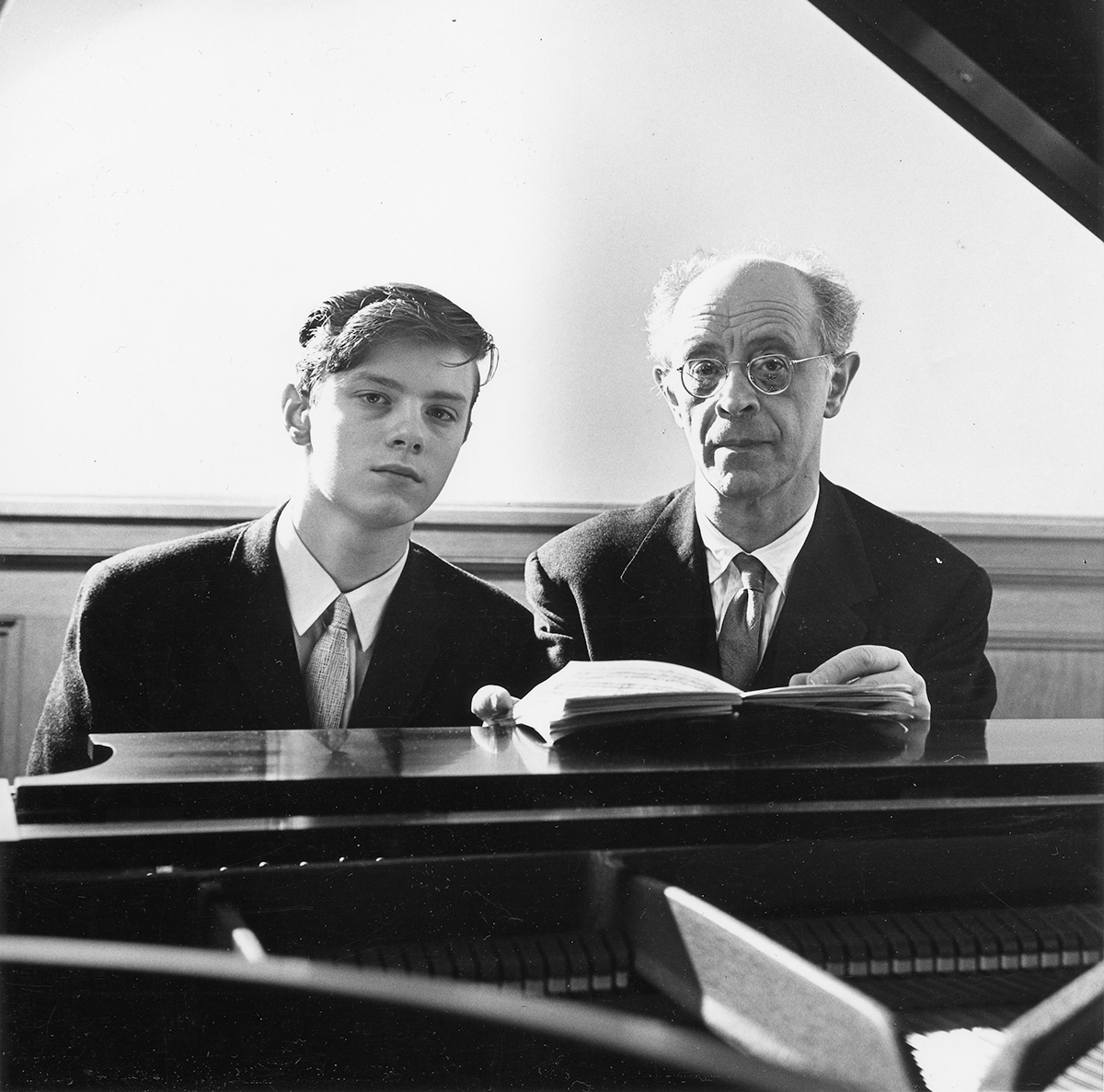
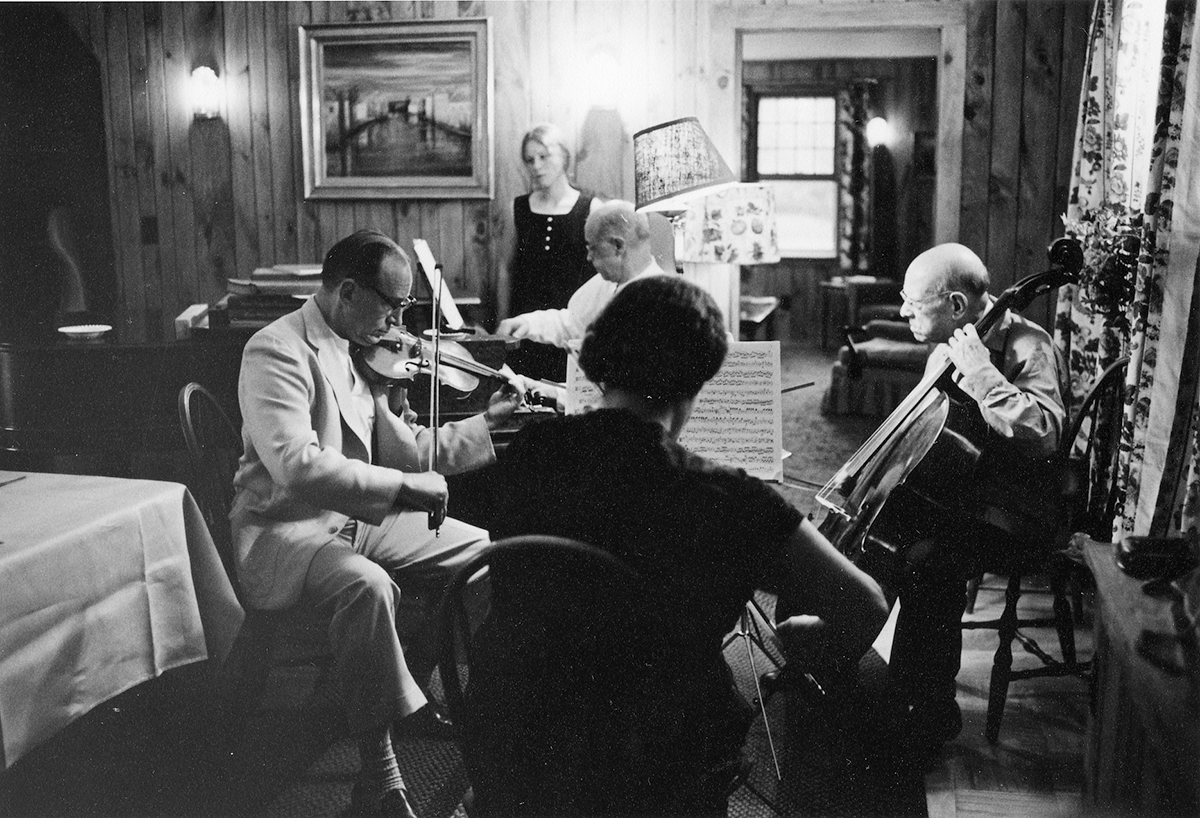
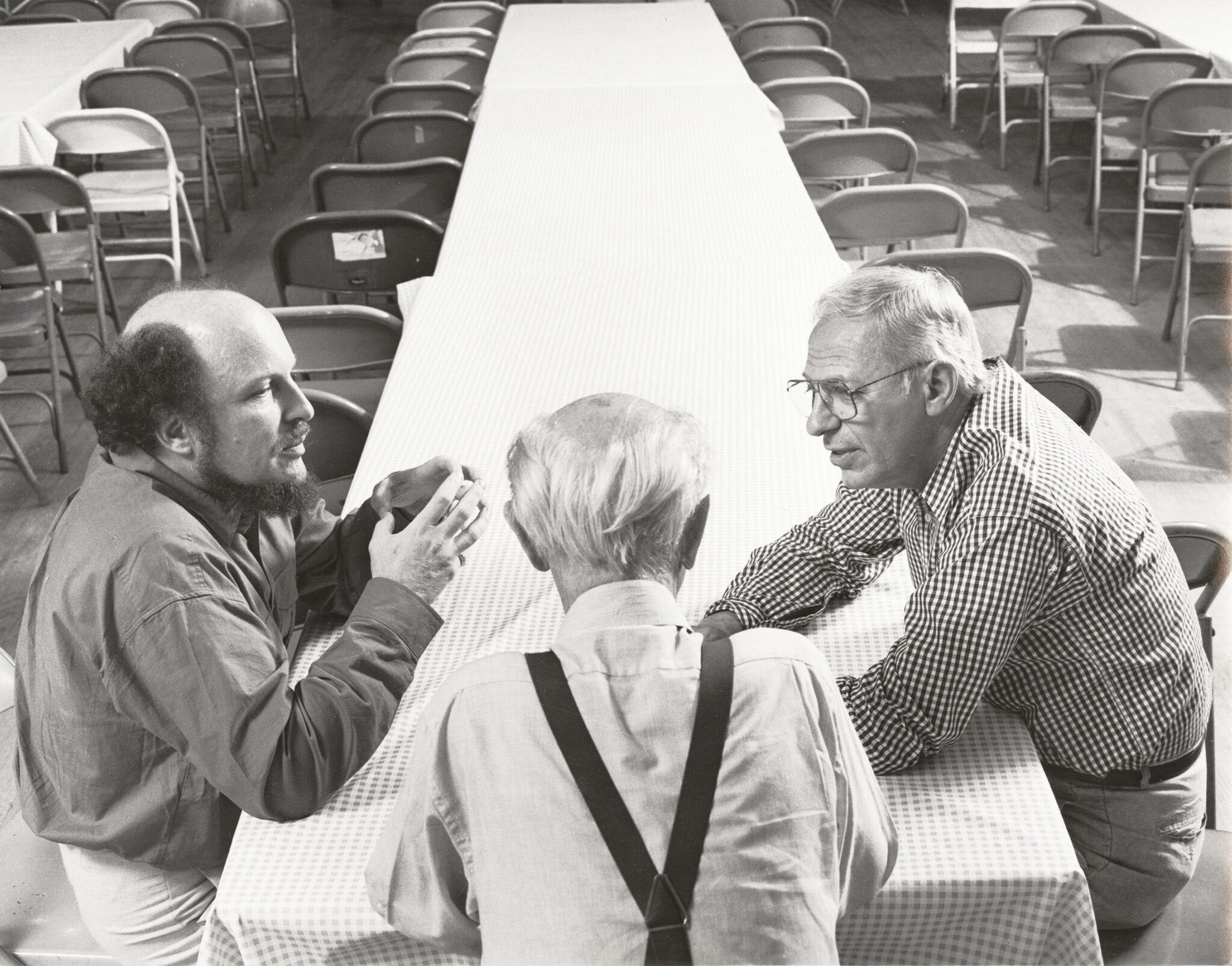
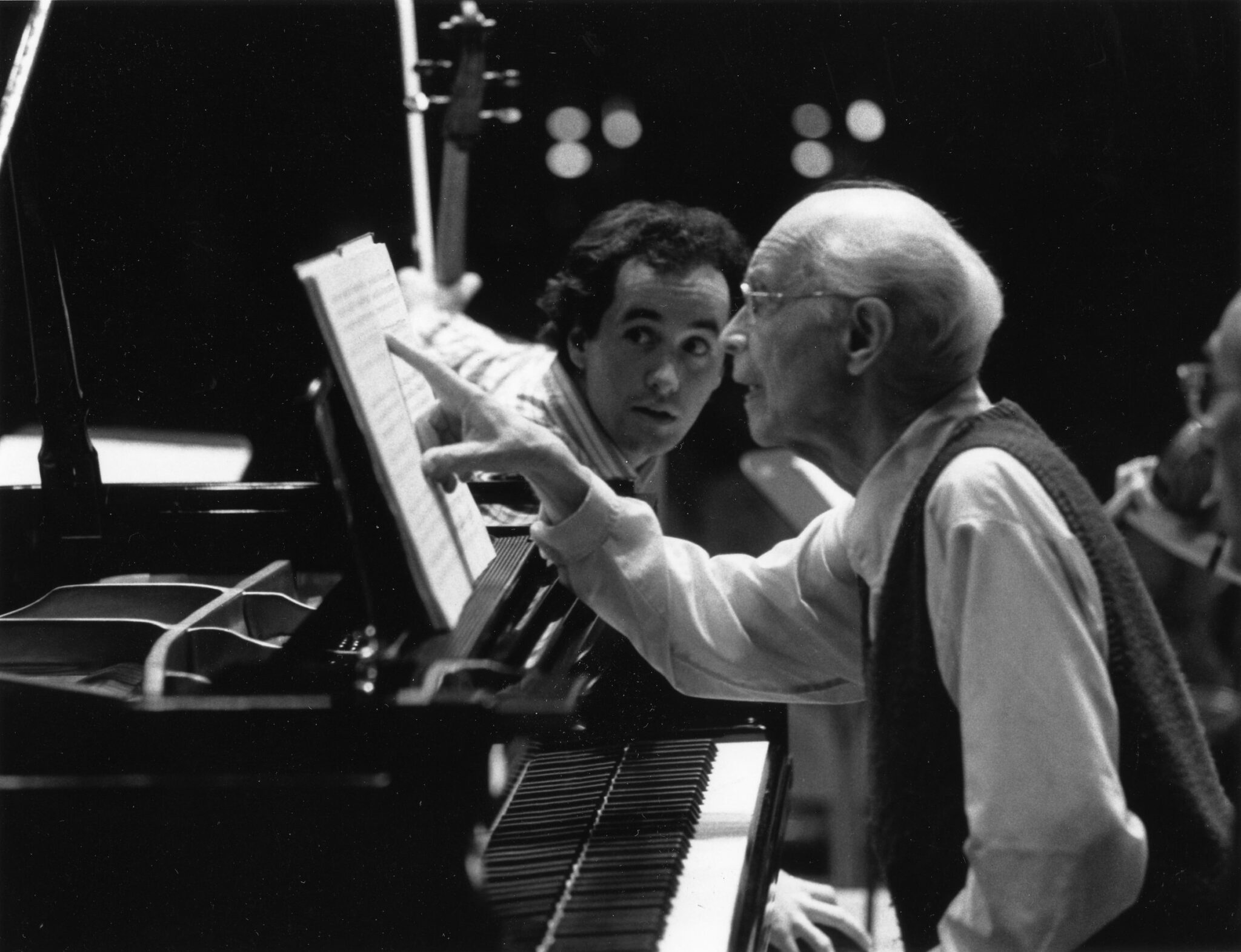
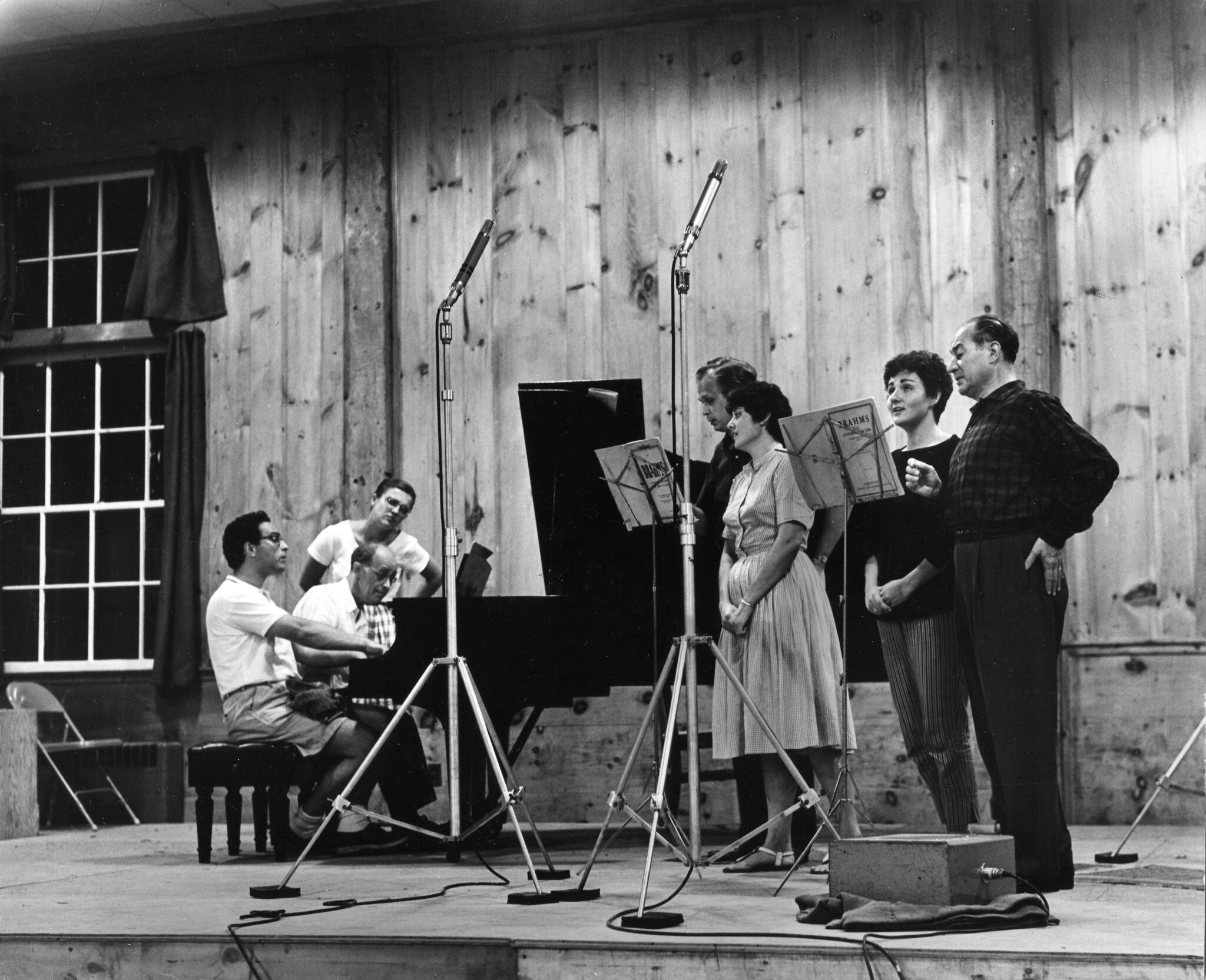
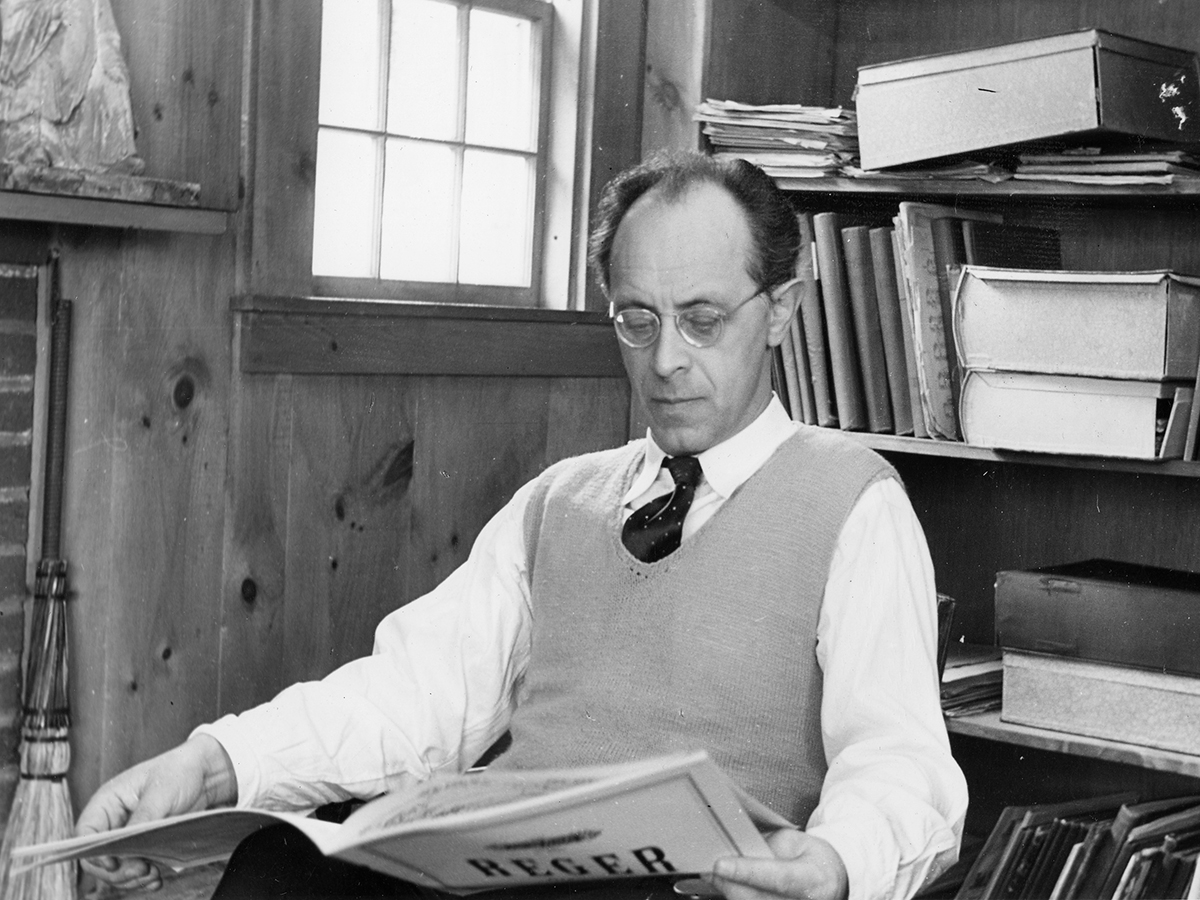
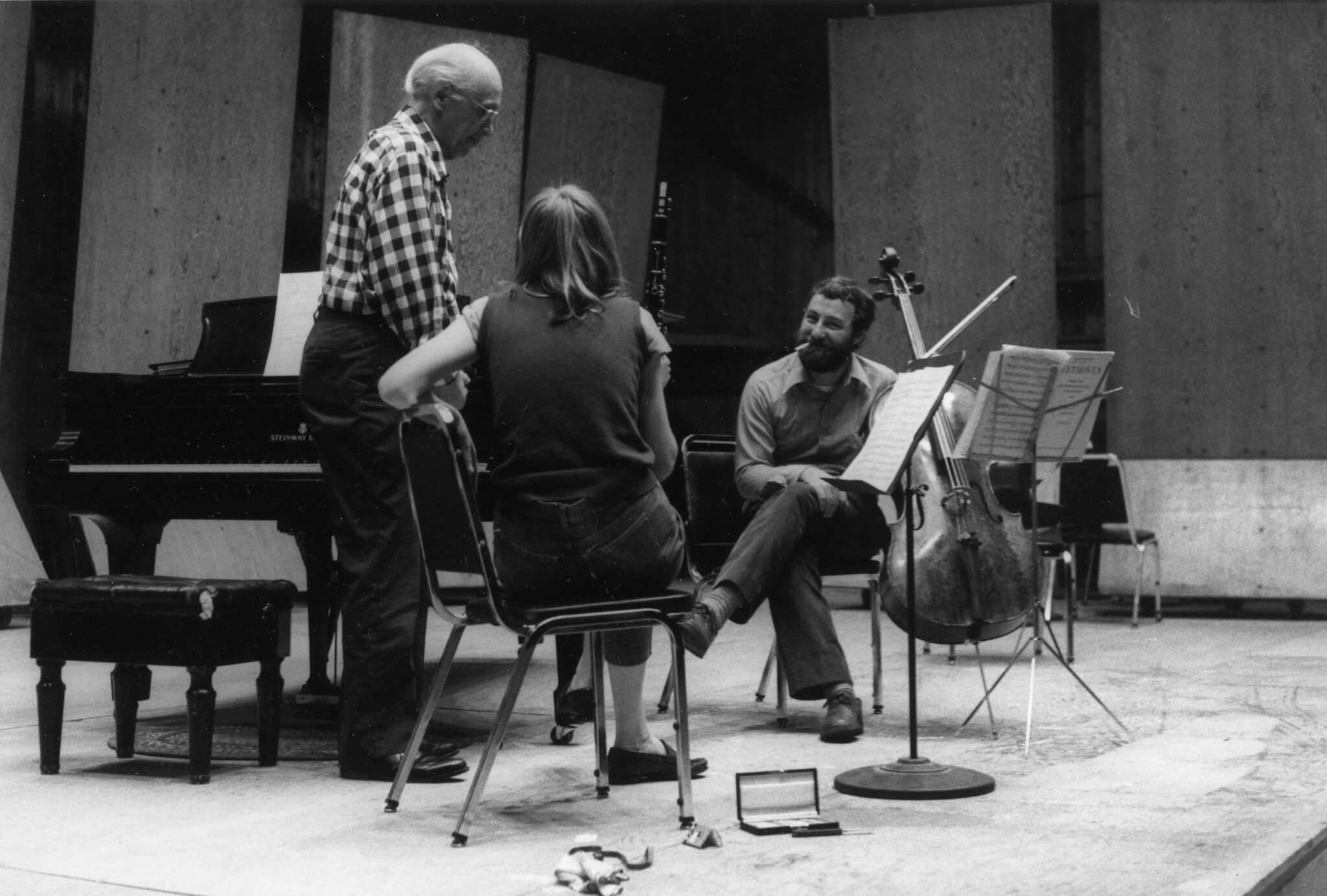
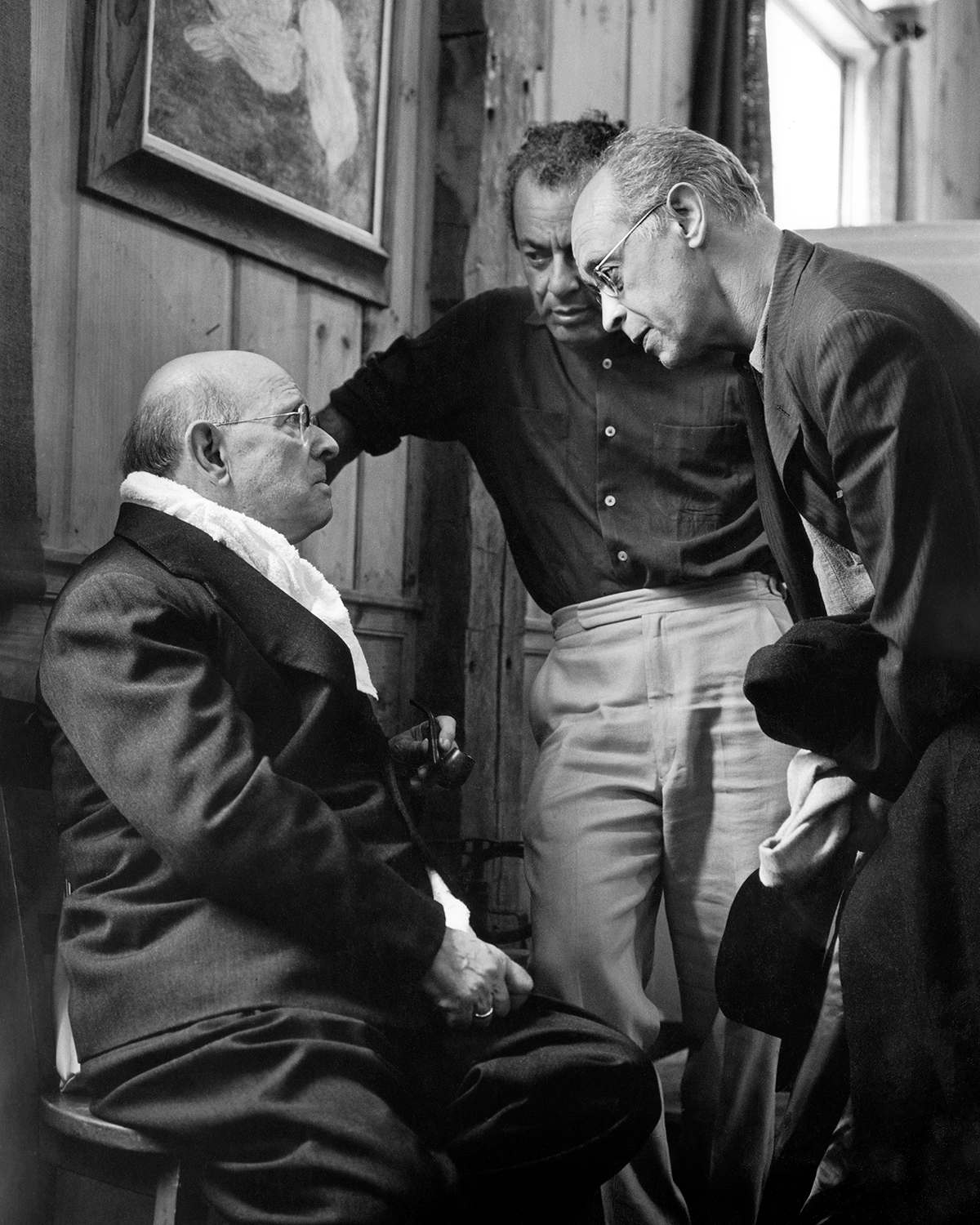
Click any of the pictures below to view an enlarged version complete with additional quotes in the captions.
!["With him, you were sure there was no routine. And so sometimes it could bring some trouble, but more often it was so strong and new, not standard ideas. Those performances were not an example because you could not imitate. [But they were] an experience of how the music should be. You should live the music." —Bruno Canino<br><br>Rudolf Serkin and Bruno Canino in 1980. Photo by George Dimock.](https://www.marlboromusic.org/wp-content/uploads/2017/04/AD-03.jpg)