From the Archives:
Adolf Busch

  • Introduction
  • Timeline
  • Recordings
  • Gallery

Introduction

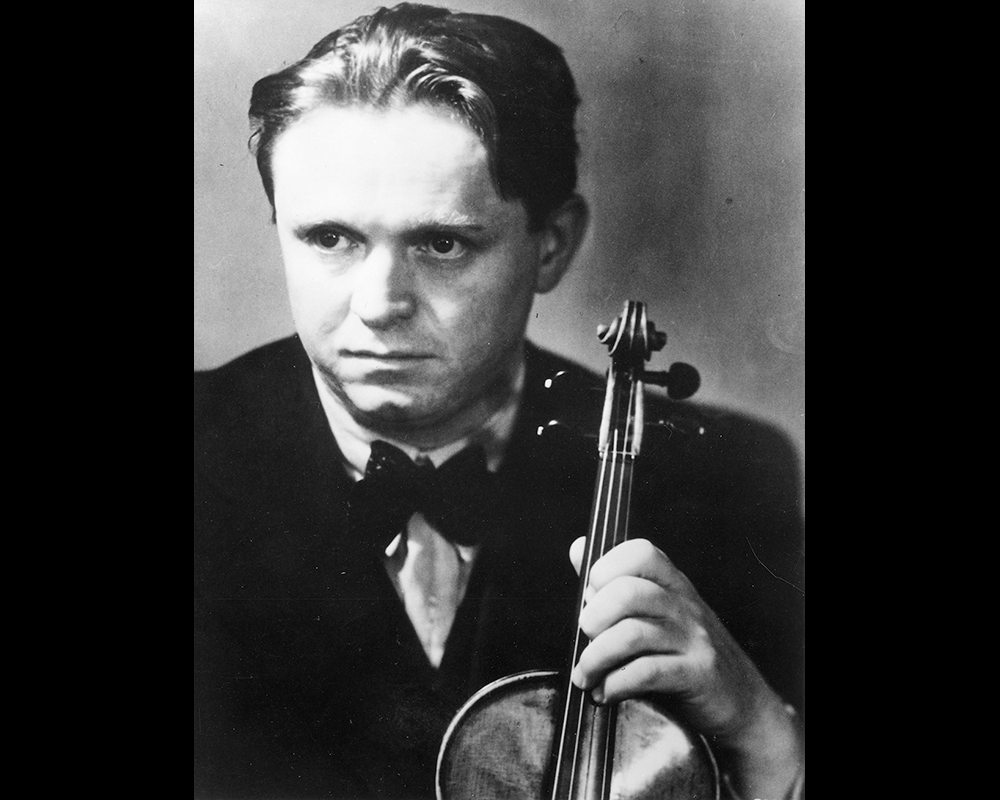
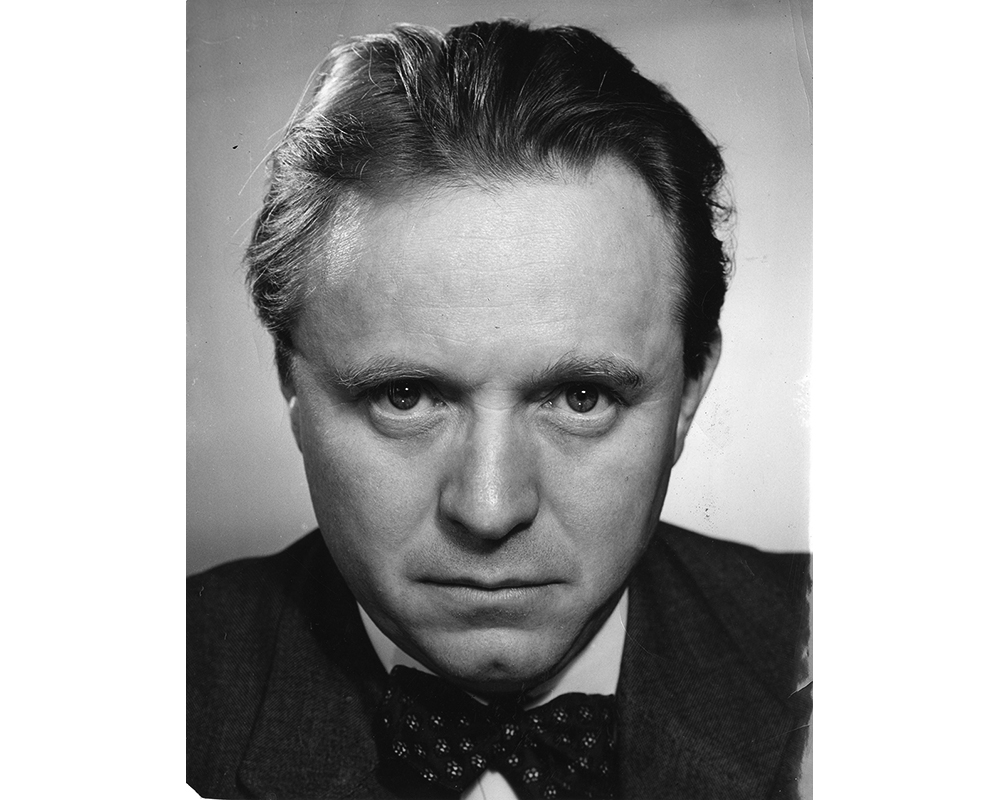
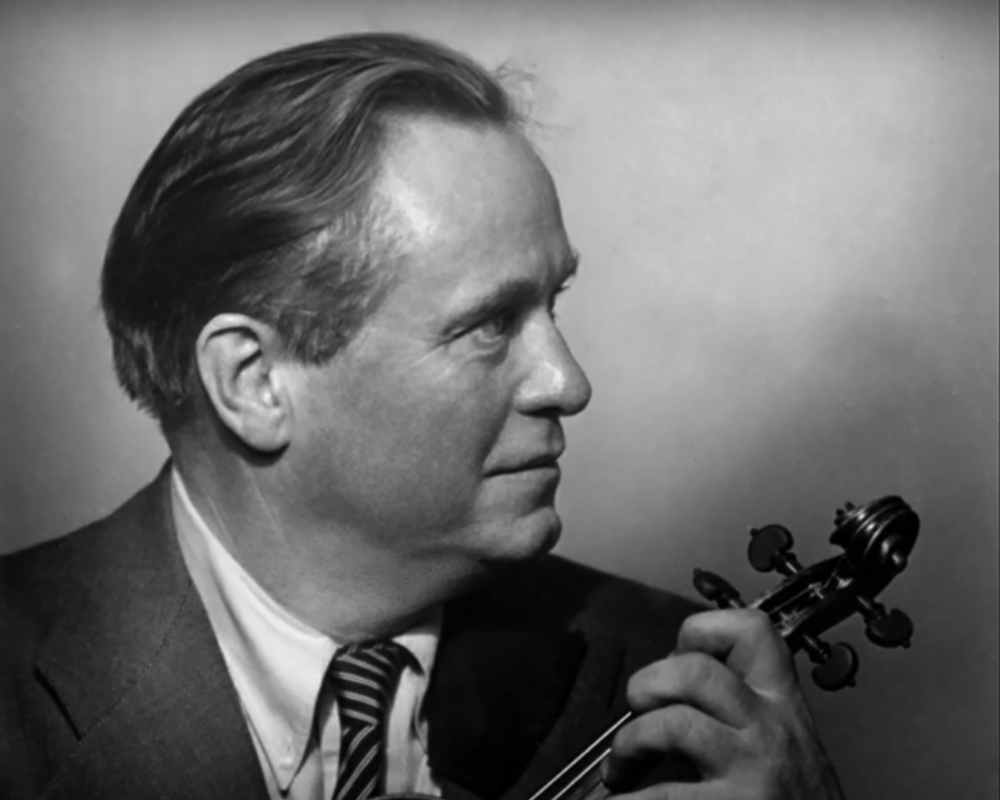
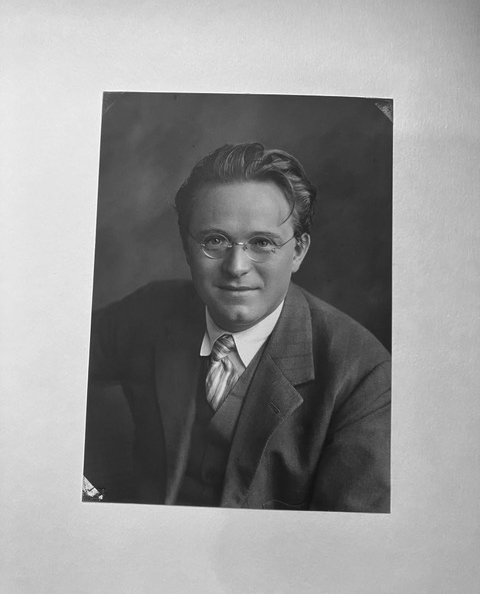
Adolf Busch was a man of great musical and personal integrity. The brother of conductor Fritz and cellist Hermann Busch, Adolf was active throughout his life as a prominent chamber music artist, soloist, and composer. Although he was not Jewish, when Hitler came into power in 1927, he moved to Basel, Switzerland and refused to perform in Germany. As the country’s most eminent violinist, he was pressured constantly to return but was reported to reply that “he would return with joy on the day that Hitler, Goebbels, and Göring are publicly hanged.”

In 1939, Busch and his son-in-law Rudolf Serkin fled war-torn Europe, eventually settling in the town of Guilford, in southern Vermont, which reminded them of the Swiss countryside. It was there that he would resume his love of playing chamber music with artists of diverse ages, nationalities, and perspectives. Together with Serkin, and Marcel, Blanche, and Louis Moyse, they would create Marlboro Music—a community that would be like a large family, with generations of artists sharing their knowledge, experiences, and enthusiasms together, not only in the rehearsal room but in the dining room and at social events.

In Marlboro’s first official summer, in 1951, Busch was heard in performances with the Busch-Serkin Trio; in the Schubert Octet; leading the Marlboro Chamber Players; and playing the Mozart Concerto in G Major, K. 216. There were also reading sessions in the Dining Hall each week. The community that he and his colleagues had envisaged had been launched.

Tragically, Busch suffered a fatal heart attack in June of 1952. Rudolf Serkin, who had been taken into Busch’s home and mentored when he was just 18, assumed artistic leadership of Marlboro. He was determined to continue and amplify the musical values and concept of community that Busch had espoused, and to maintain Marlboro as a tribute to his late, beloved father-in-law.

Rudolf Serkin’s tribute to Adolf Busch has become a musical community and influence like no other, one that The New Yorker’s Alex Ross described as “the music world’s most coveted retreat,” where exceptional young instrumentalists gain insights that change their lives. Generations of musicians and other members of the community, whose lives have been forever enriched by Marlboro Music, will always celebrate and cherish the vision, artistry, and life of Adolf Busch.  

A GRANDSON REMEMBERS
John Serkin
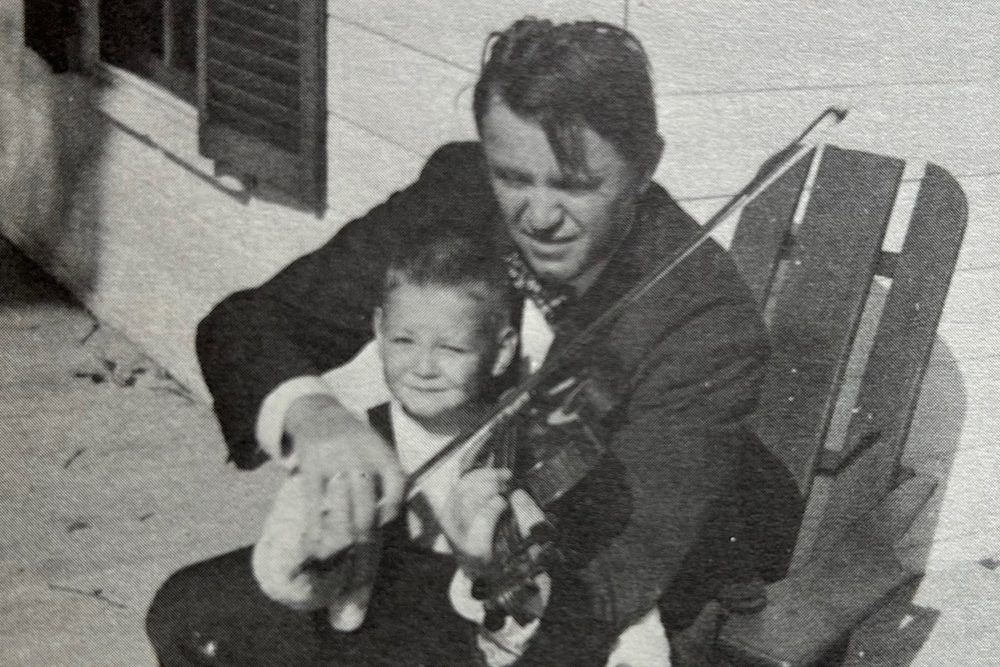
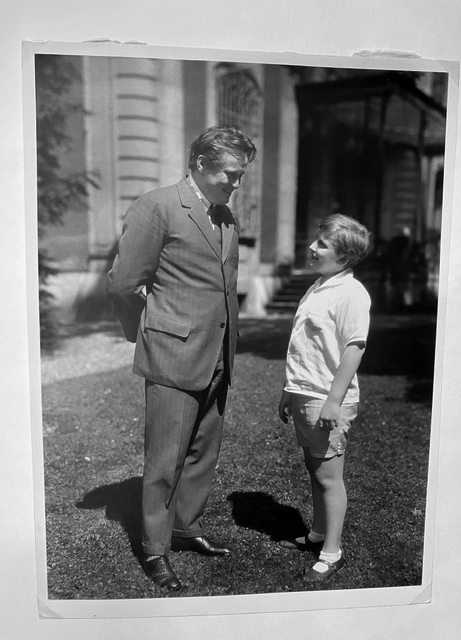
Adolf Busch with his grandson John Serkin in Vermont, 1945.

My grandfather Adolf Busch didn’t die until I had already reached the age of nine, so it surprises me that I don’t have more memories of him. One of those memories, though, is as vivid as if it happened yesterday. I must have been five or six years old. My recollection is that I was lying in my bedroom; perhaps I was ill. Opapa took out his violin and, standing next to my bed, played the entire Gavotte from Bach’s E Major Partita. Whenever I hear that movement I think of that moment, and remember clearly his playing of it. I recently read Tully Potter’s magnificent, encyclopedic biography of my grandfather, in which he mentioned that the Gavotte had been recorded. I was excited to immediately find the performance on YouTube; I had no idea that it existed! From the first notes it all came back to me—the warm sonority, the phrasing, the lucid articulation, the precise intonation—exactly as I have carried it in my mind for the past seventy-five years. I found myself with tears in my eyes, full of love for this man whom I thought I hardly knew, and with renewed reverence for his art.

BUSCH’S INFLUENCE – A MUSICIAN’S PERSPECTIVE
Stephanie Zyzak

 Looking back, one sometimes finds specific instances in their life where luck and fate seem to coincide. Adolf Busch entered my life when I was about 5 years old, and though I didn’t know it then, his presence and musical values would have a huge impact on my life to this day.

The recording of Adolf Busch and Rudolf Serkin playing Schubert Fantasy was my first introduction to both these incredible musicians, and it had me obsessed. I remember the Schubert E-flat piano trio with Hermann Busch being on the same recording as well. This was back when we would listen to CDs, and I remember carrying around an old Walkman and listening to this album more times than I could possibly count. I’d soon make my way through the late Beethoven quartets (this being my introduction to the Busch quartet) and through the live Library of Congress recordings with Busch and Serkin. The musical voice of Adolf Busch is instantly distinguishable, always having something deeply profound to say. And yet after listening to these recordings, I’d often be left thinking of how incredible the music was. This, to me, was perhaps the most important aspect of Busch’s musical voice. You see, it was never about Busch—it was always about the music, first and foremost. One only need listen to the Busch quartet’s recording of the slow movement of Beethoven Op. 132 to fully comprehend what it means to live, breathe, and serve music.

Throughout his musical and personal life, Busch has defined what it means to live with both humility and strong moral conviction. This legacy lives on in the spirit of Marlboro and through the many generations of musicians that have turned onto South Road with a summer of incredible music ahead. As a 5 year old listening to his recordings for the very first time, I had no idea that years later I’d be lucky enough to spend time in a place he helped create. And even better, to call it home.

Violinist Stephanie Zyzak first participated at Marlboro in 2019.

Learn more about Adolf Busch’s remarkable life in the timeline and in Sudip Bose’s article, “The Conscience of Adolf Busch” (The American Scholar, 2017).

Timeline

1891

Early Life

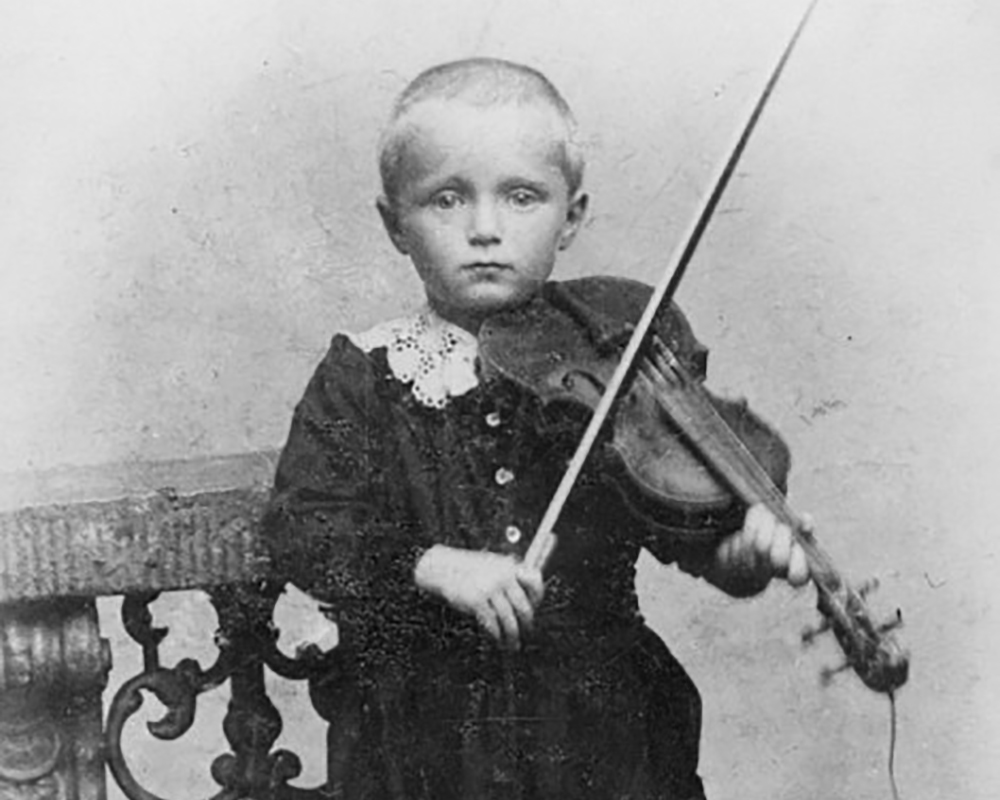
Adolf Georg Wilhelm Busch is born on August 8, 1891 in Siegen, a small city in the southwest corner of Germany’s Westphalia region that is home to some 18,000 residents and a blossoming industrialized economy. Adolf’s father Wilhelm is a highly-skilled cabinet maker turned luthier, and his mother Catharine Henriette owns and operates a handicrafts shop. Money is tight in the Busch household, but creativity is nurtured; before Adolf takes his first steps, his father fashions him a miniature fiddle and bow, which the toddler joyfully “plays” while lying on his stomach. Violin lessons with Wilhelm begin at age two and a half, and in 1895, the four-year-old performs his first public concert, accompanied by his older brother Fritz at the keyboard. Adolf earns “a round of applause; a brief mention in the local paper; and, more to his taste, a fee of two frankfurters and a glass of milk.” Fritz and Adolf continue their duet routine throughout their childhood with impromptu busking — to their parents’ chagrin — and formal concerts. Although they garner a reputation for talent beyond their years, the boys are young and competitive, and at least once, the curtain is lowered on a mid-performance brotherly brawl.

1902

The Cologne Conservatory

In 1902, Adolf begins studies at the Cologne Conservatory with Willy Hess and Bram Eldering. His schedule includes infrequent but valuable composition lessons with Fritz Steinbach, a conductor and composer who had maintained a musical and social association with Johannes Brahms. Adolf’s interest in music becomes more serious, even devout, as he explores canonic German works. His quest to interpret each piece according to the composers’ intentions leads to a successful 1909 performance of Max Reger’s Violin Concerto in A Major, accompanied by his brother Fritz, for Reger himself. In a letter to his wife Elsa, Reger writes, “Early today a 16-year-old brat played me my concerto here by heart, perfectly beautiful in tone, technique etc. Isn’t that marvelous?” Thus begins a friendship that significantly influences Adolf’s compositional development.

1909

The Emerging Artist

Max Reger is a superb pianist as well as composer, and Adolf is charmed by his humor and generosity, fondly characterizing Reger as an “impulsive man who cannot bear restraint or hear of anyone being oppressed.” In 1912, Reger dedicates his Prelude and Fugue in D Minor for solo violin, Op. 117, No. 6, to Adolf. Meanwhile, Adolf continues writing music, likening his insatiable compositional drive to an illness yet to be cured. He also performs with the Gürzenich Quartet on a viola made by his father. His experiences performing on both instruments seem to inform one another; a concert reviewer comments on the “unusually noble viola-like sonority” of Busch’s violin playing. Although he begins his career on a Wilhelm Busch violin, he soon acquires the 1716 Stradivarius that carries his name to this day.

1912

Vienna & Quartet Beginnings

Adolf’s time spent studying counterpoint and making music with his composition teachers, Hugo Grüters and Fritz Steinbach, pays off. In 1912, the 21-year-old is offered the prestigious role of Concertmaster for the Vienna Konzertverein Orchestra, at the recommendation of Principal Viola Karl Doktor and Principal Cello Paul Grümmer. The association establishes a quartet in the same year, with Adolf as first violin, Fritz Rothschild as second violin, and Doktor and Grümmer in the remaining two chairs. Their debut at the 1913 Salzburg Festival is warmly received, with critics likening the group to the Joachim Quartet, one of Europe’s finest and best-known ensembles. The quartet’s membership evolves over time due to the eruption of war, but the ensemble performs through 1917 with Adolf in the first chair.

1913

Marriage

During this same stretch of time, Adolf’s romance with his composition teacher’s daughter, Frieda Grüters, blossoms. By 1909, the pair of then-teenagers decides to marry once Adolf is professionally established, but Hugo Grüters forbids the engagement on account of the couple’s youth and naïveté. Nonetheless, Frieda’s best friend Hanna Zorn conveys messages for the young couple as they secretly court, and Adolf and Frieda are married on May 15, 1913 after years of covert love letters and serenades. The Grüters family throws a thoroughly musical party in Bonn, which includes Bach arias performed by the happy couple, as well as a duet arrangement of Mendelssohn’s Wedding March, performed by pianist and noted music theorist Donald Francis Tovey and the father of the bride.

1914

Maturation

The eruption of war, a “rat race” of a concert season, and a tuberculosis diagnosis converge in the 1910s, and Adolf and Frieda spend time at a sanatorium in the Alpine village of Arosa, Switzerland to improve his health. Through this trifecta of hardship comes opportunity for intellectual and creative restoration and maturation; the sanatorium’s physician, Dr. Wolfgang Römisch, is a music connoisseur (his wife Käthe was a student of Clara Schumann), and many patients and visitors are musically inclined. There is an abundance of chamber music played amongst family and friends each evening after dinner. In the midst of this period, Adolf’s mentor and friend Max Reger dies in 1916 at the age of 43. “Apart from my personal loss, I felt Reger’s death as the greatest blow contemporary creative music could experience,” writes Adolf’s brother Fritz. Adolf, too, feels the loss acutely — Reger had been a font of inspiration for the young composer’s style — but happier times ensue the following summer, when Adolf and Frieda welcome a daughter, Irene, on June 21, 1917.

1919

Busch Quartet

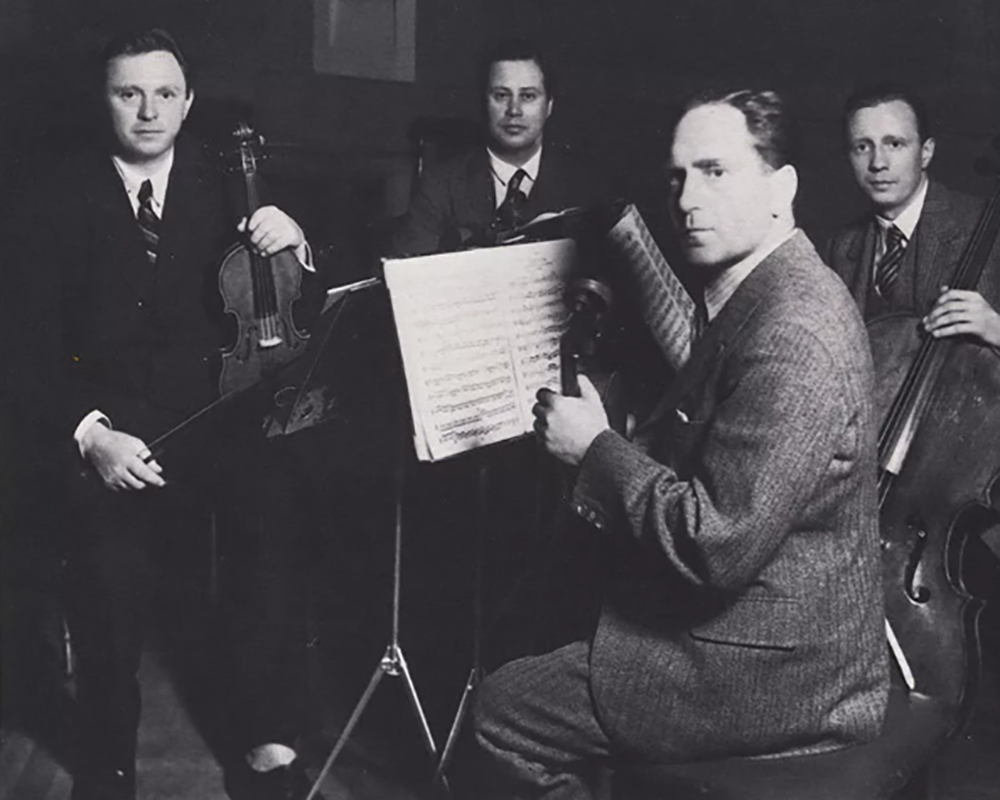
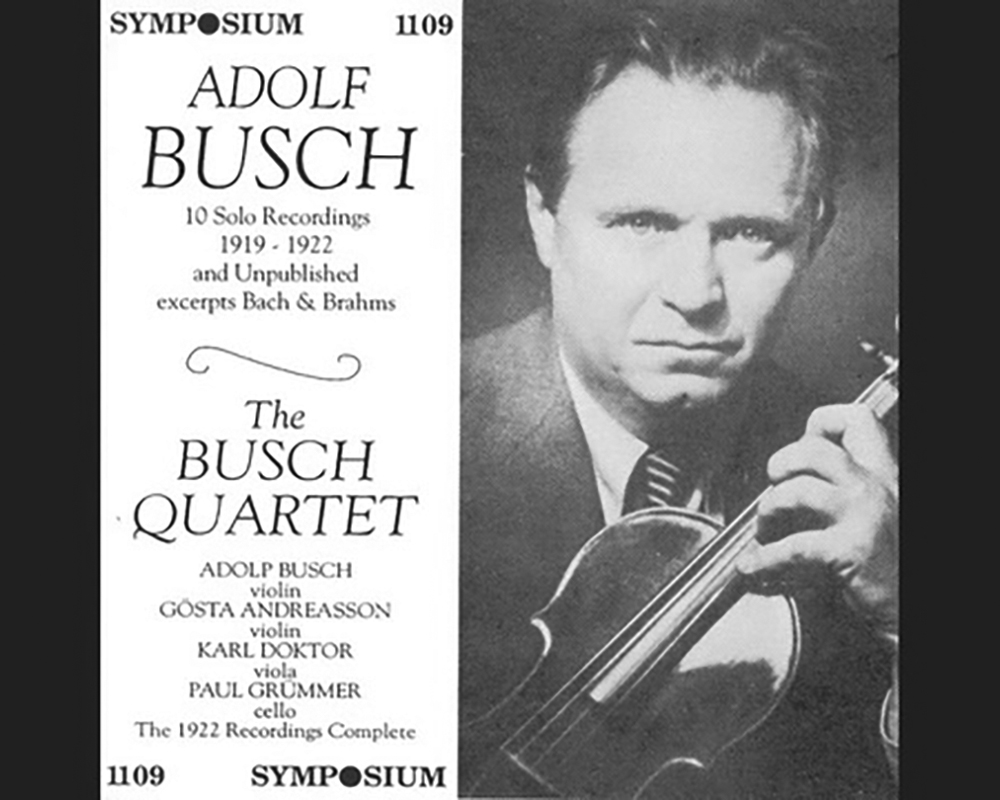
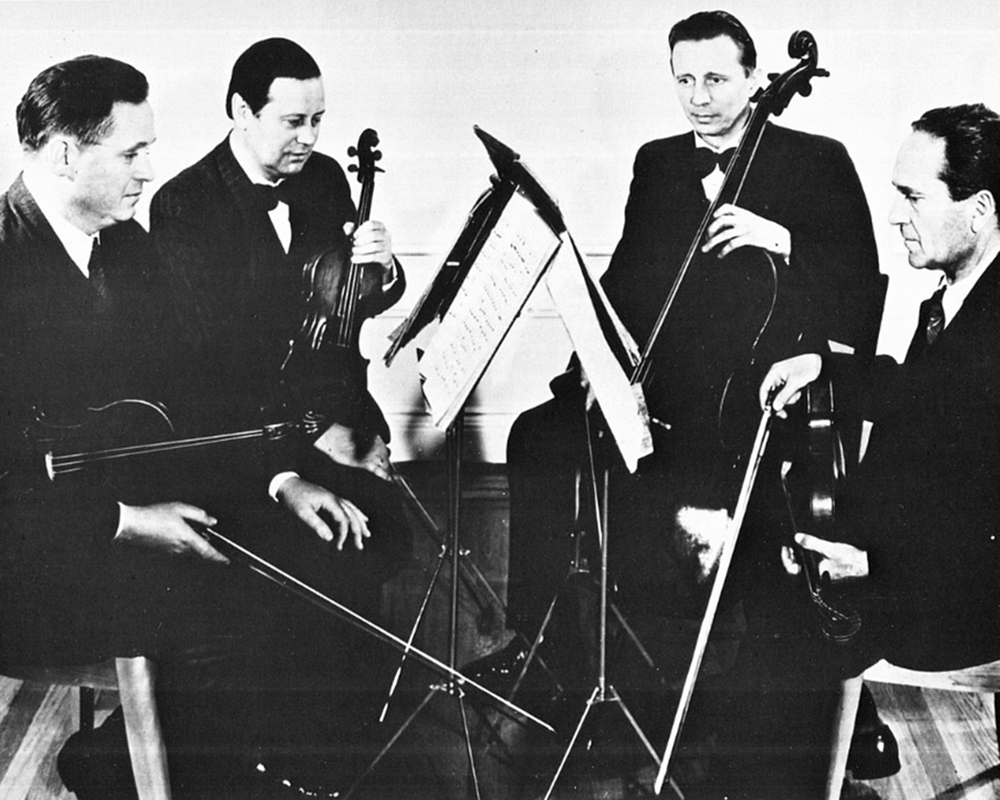
From 1918–1922, Adolf serves on the faculty at the Berlin Hochschule. In the spring of his first year as a professor, he founds the Busch Quartet. The ensemble appears regularly in Vienna, performs throughout Germany, and embarks on tours to the Netherlands and Italy. In addition to works by Beethoven and Mozart, they also champion the music of Reger. Adolf’s purposeful, expressive, and traditional style informs the ensemble’s intimate understanding of great works within the German canon — and skyrockets the quartet (by 1920, the members are Busch, second violinist Gösta Andreasson, Doktor, and Grümmer) to success within a year of its debut.

1920

European Success

European impresarios pay handsomely to secure the Busch Quartet on their season, knowing the ensemble has the power to sell out an entire subscription series with a single appearance. Notable fans of the quartet include Albert Einstein and the Pope. The Busches are at their busiest, and Adolf embarks upon a demanding concert schedule of quartet and solo performances, including his first appearance with a young pianist named Rudolf Serkin in 1920. In the midst of all this, Adolf departs Berlin and his position at the Hochschule in 1922. The Busches establish a residence in Darmstadt, though touring and traveling prevent them from truly settling down there.

1926

Busch/Serkin Trio

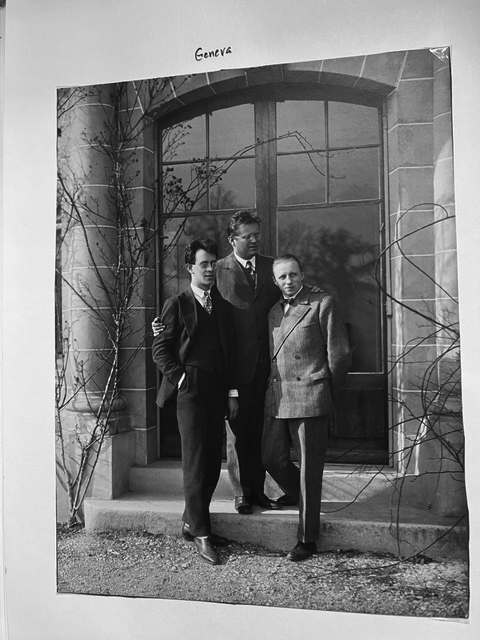
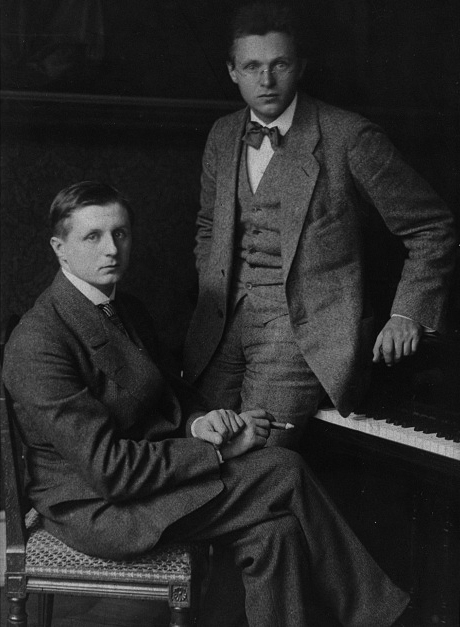
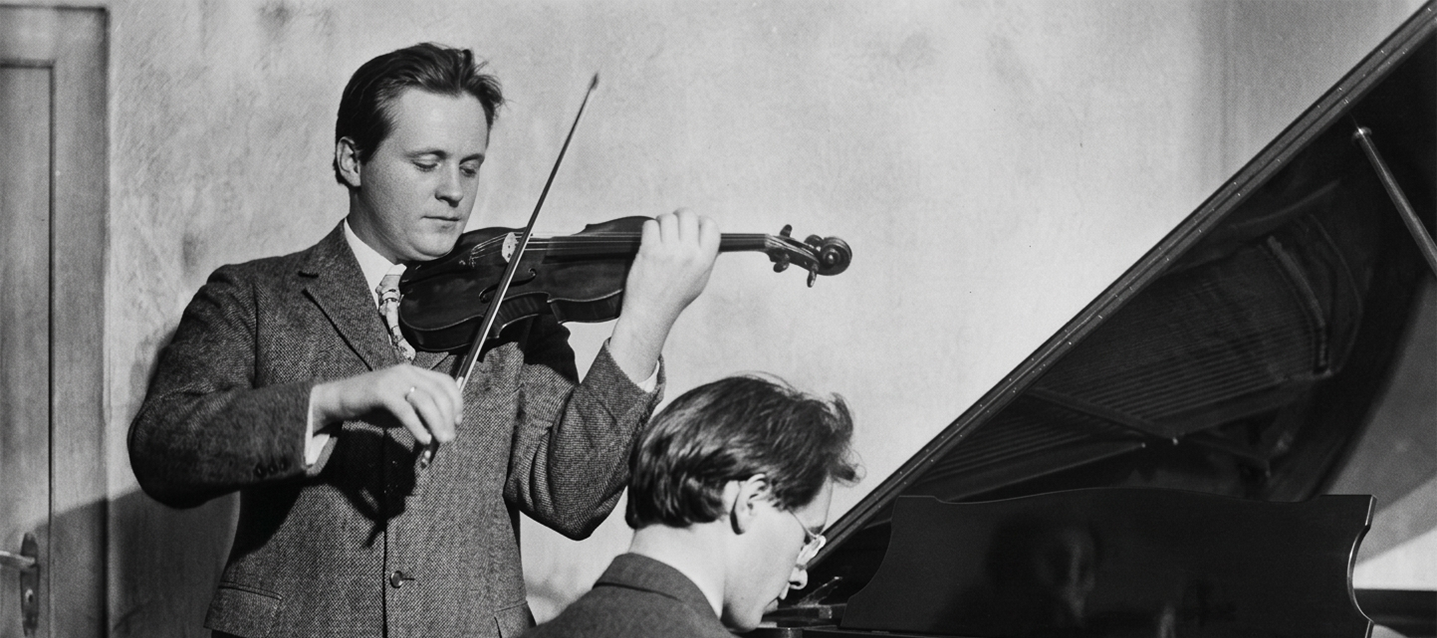
By 1926, Rudolf Serkin has been Adolf’s duet partner for six years. Adolf insists that “the way the youngster plays, you see the whole score in front of you,” and “Rudi” is even invited to live with the Busches for a time. “I hope that one day I can do something as kind as this for you—for you and others,” Rudi movingly declares as he accepts Adolf and Frieda’s invitation. Busch and Serkin’s detail-oriented, intensely prepared musical collaboration is rooted in a fierce integrity and the desire to play “rightly” instead of simply “interestingly.” Critic Joseph Horowitz describes their performances as “absolutely free of affectation or superfluous detail.” Such rigorous artistic commitment belies the personal warmth, enthusiasm, and sense of wonder that is fundamental to Busch’s nature. “When he was making music he was very serious, but as a human being he was full of humor and gaiety,” Serkin observed. The success of their artistic partnership results in the formation of another important ensemble, the Busch/Serkin Trio, with Adolf’s brother Hermann on cello. Rudi also seems to inspire Adolf’s compositions; the piano is the centerpiece of his Op. 21 Sonata for Piano and Violin, Op. 25 Piano Sonata, and Op. 31 Piano Concerto. In 1927, the family relocates to Basel, Switzerland, where a number of friends reside and new pupils, including a young Yehudi Menuhin, come to study with Busch.

1929

Composer

Adolf retains the inspiration to compose despite his successful career as a performer. He continues to be heavily influenced by his mentor Max Reger, as well as by Bach and the Viennese Classical composers. After writing his first symphony at age 16, he continues composing concerti, symphonic and choral works, lieder, and music for keyboard throughout the subsequent decades. Adolf’s prolific and diverse chamber works reflect the variety of musicians by whom he is surrounded; he ultimately writes some 70 works with opus numbers, although much of his music remains unpublished or otherwise difficult to find. In 1927, during an otherwise busy concert season, Adolf writes his Symphony in E Minor while on vacation in the town of Bad Gastein, Austria. Notably, the final movement is inspired by a dream Adolf has, in which “Death appeared to him as a strong, beautiful man, and explained to him what nonsense it would be to fetch him now, when he was composing so beautifully and would never do anything better.” In 1929, he writes a Concerto for Orchestra, one of the earliest contributions to the genre.

1930

London

In 1930, Adolf’s brother Hermann replaces Paul Grümmer as cellist of the Busch Quartet. First violinist Adolf, second violinist Gösta Andreasson, and founding violist Karl Doktor welcome Hermann to the fold with the quartet’s British debut in Oxford. In London, Adolf connects with Fred Gaisberg, a patron who produces all of Adolf’s recording projects from 1931 until World War II. Thanks to a warm reception, the Busch Quartet begins a successful and longstanding relationship with the city of London, presenting performances — among the audience members are writers Samuel Beckett, Virginia and Leonard Woolf, and Victor Gollancz, as well as composer Sir Michael Tippett — and recording albums under the His Master’s Voice label at Abbey Road Studios. Over time, Adolf creates a significant catalogue of live and studio performances, from sonata recordings with Serkin to the quartet recordings that remain touchstones today.

1933

War Years, Part I

Everything changes for Adolf Busch in 1933, with the ascension of the Nazi Party in Germany and Adolf Hitler’s appointment as Chancellor. In January, Serkin and Busch are interrupted during a performance in Stuttgart when an audience member stands to give the Nazi salute. Busch, with his legendary temper, stops mid-performance and shouts at the man to put his arm down. The Busch Quartet plays their final concert in Germany on April 1; they are so disgusted by the Judenboykott (boycott of all Jewish-owned businesses) that they vow never to perform in Germany again while the country is under Nazi rule. “The anti-semitic movement has closed my homeland to me,” Adolf declares. “As a German I feel so repulsed by what is happening.” Unlike many non-Jewish Europeans of the day who turn a blind eye to the hateful policies of the Nazi party, Adolf is fierce in his denunciation and makes his opposition public. To Adolf, such political conscience is a matter of principle, even if it means risking his career, going into self-imposed exile, and damaging his financial prospects. He replies “Hang Hitler” to the Nazis who inquire about his return, while he sells his second Stradivarius violin to make ends meet.

1935

War Years, Part II

Adolf’s career suffers as a result of his rejection of Hitler and the Nazi party, yet he perseveres. In 1935, he establishes a small but diverse chamber orchestra — among the Busch Chamber Players are Rudi Serkin and Marcel and Louis Moyse — that performs in Basel and in Florence, Italy. There is joy in making music, and also personally; in the years since Rudolf Serkin first came to stay with the Busches in Germany, Adolf’s daughter Irene has grown up and become Rudi’s devoted partner. The two are married in 1935. Nonetheless, it is wartime, and by 1938 Adolf and the Busch Quartet withdraw from all performances in Austria and Italy, as well as Germany, to protest antisemitism. Adolf co-founds the Lucerne Festival in Switzerland in 1938 with his brother Fritz and friend Arturo Toscanini, who is also boycotting Germany and Italy’s fascist regimes, and the Busch Quartet members serve as section leaders in the festival’s orchestra. In 1939, the quartet tours the United States, including Beethoven Quartet programs at Carnegie Hall.

1939

Emigration to U.S.A.

The well-received Carnegie Hall programs contribute to Adolf’s decision to emigrate to the United States in 1939, leaving behind an ominous atmosphere in the city of Riehen, Switzerland, which is dangerously close to Germany for the outspoken violinist. He settles in New York, and he and the Busch Quartet find engagements throughout the country. However, Adolf suffers a heart attack in the same year, curtailing performances into 1941. This period in Adolf’s life represents something of a decline in his career; as his friend and colleague Rudi Serkin gains popularity in the United States, Adolf is not as readily embraced by American audiences. “[T]he whole attitude to music is quite different from what we are used to and what we love,” he writes. “People haven’t yet fully recognized that one can play the violin so as to make music, and not simply so as to show that one can play the violin.” Despite career setbacks, Adolf’s steadfastness in matters of principle is undiminished. When one of his American agents insists that he play more virtuosic repertoire, saying “There’s gold lying on the ground — all you have to do is pick it up,” Adolf replies: “I don’t bend.” He remains committed to his ideals; in a 1942 letter Adolf writes: “Here [in the U.S.], just as much as anywhere else, the public yearns for good music and good art, and is happy about concerts with good programs. So the work that we do here — a few serious artists, Rudi and I, the quartet, my little orchestra, which I have once again established — is very satisfying.”

1943

Loss & New Love

In the 1943 season, Karl Doktor falls ill, and he is replaced by Lotte Hammerschlag, a violist from Vienna. Meanwhile, Frieda Busch is diagnosed with cancer, and her health also begins to decline. In 1945, the Serkins, who are otherwise based in New York City, purchase land in southeastern Vermont, an area whose rolling hills and countryside elicit fond memories of Austria and the Vienna Woods, and of their later, pre-war lives in Switzerland. Adolf spends all his free time there, at Frieda’s bedside. “My poor wife is suffering a great deal, and we are all suffering with her,” Adolf writes to Alexander Schneider in 1946. Frieda dies later that year. “Everything is so incomprehensible,” writes Adolf to his brother-in-law Otto. “I have to be grateful that so much time was granted me (even though it is never long enough, and you cannot help but feel that you let the main thing slip by — now I am even occasionally sorry about the time I spent composing instead of simply enjoying being with her).” Adolf returns to Germany in 1947, and in 1949 gives his first concert there since the start of the war. He also marries Hedwig Vischer, a medical doctor whose personal charm, sincerity, and inner strength vivifies Adolf. He finds comfort and joy in Hedwig’s companionship, and a new happiness and freedom: “Thanks to Hedwig my life makes sense again.” The couple welcomes sons Nikolaus Ragnar and Thomas in 1948 and 1950.

1949

The Marlboro Dream

In 1948, still enamored with the farm that the Serkins had purchased, Adolf buys 77 acres in the southern Vermont town of Guilford. “The landscape is wonderful, and our house with my studio addition is truly beautiful and extremely comfortable and homey.” At nearby Marlboro College, Adolf and Rudi encourage President Walter Hendricks to hire their colleagues, the great French flutist Marcel Moyse, Marcel’s son Louis, and his daughter-in-law Blanche, to establish a music department. Adolf dreams of starting an independent summer music school on the hilltop campus, a place where exceptional young musicians and leading professionals can come together, immerse themselves in studies and practice, and learn to to play chamber music together, not only technically but with musical insight and sensitivity. During the summer of 1950, under the aegis of the College, Adolf, Rudi, Hermann Busch, the Moyses, and a half dozen students participate in workshops and performances on the rural campus that become a prelude to what is to come.

1951

The Founding

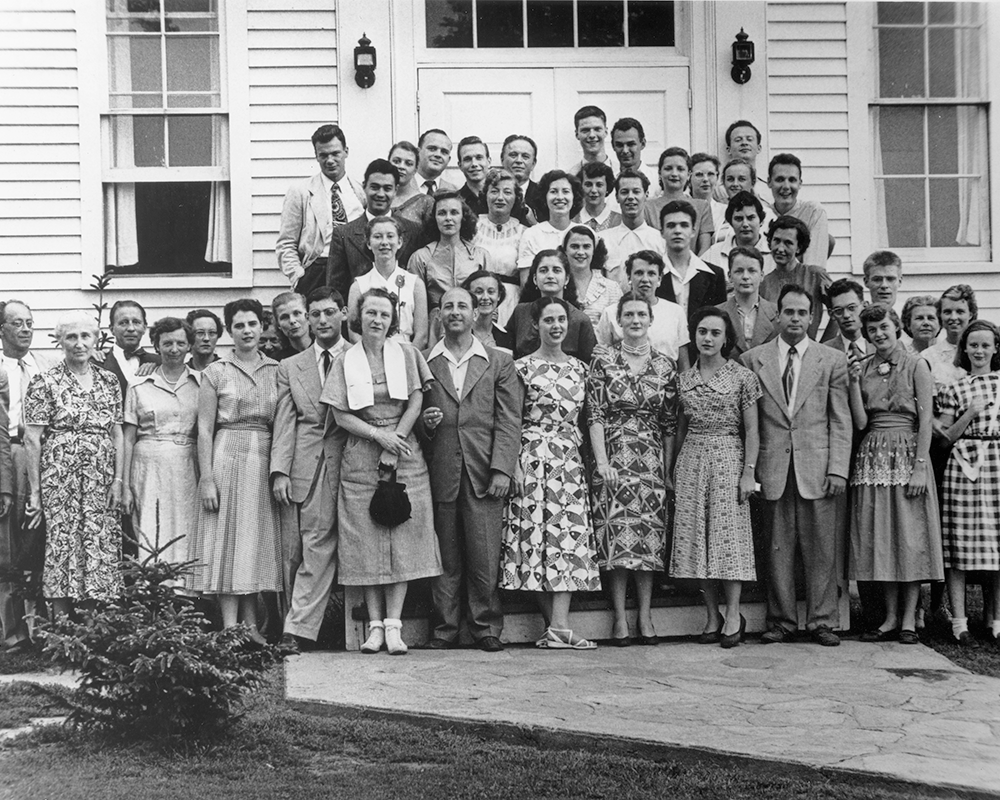
In 1951, Adolf, Rudi, Hermann, and the Moyses incorporate their sessions as a new organization: the Marlboro School of Music. This summer, they attract 54 participants, affirming the fledgling program’s future as a continuing enterprise that will allow them to mentor young musicians and influence the field at large. Philipp Naegele, the young violinist-violist who was among Marlboro’s first participants, and who would remain involved at Marlboro until his own passing in 2011, recalls “Busch was an inspiration. I loved the man, he was magnificent.” Adolf takes care to get everyone involved, and he often plays second violin or viola to share musical opportunities widely. Blanche remembers “if he saw someone that he knew who played the violin a little, he would say: ‘Come, come and play with us.’” Adolf’s inclusion extends beyond courtesy, as Rudi attests: “He had the capacity as a teacher of making almost everyone play well.” Adolf settles in Vermont year-round, and coaches chamber ensembles at the Curtis Institute of Music in Philadelphia, where Rudi teaches, on a monthly basis.

1952

Death

Adolf completes his final piece, the 6th Psalm for choir, orchestra, and organ, Op. 70, just days before his death from a heart attack on June 9, 1952 in Guilford, Vermont. The work has been on his mind for some time, and he feels compelled to realize it when his brother Fritz dies in 1951. He also takes inspiration from a performance of Fauré’s Requiem, arranged lovingly by Louis Moyse for an ensemble of local choristers and string players, at Marlboro College. “After the performance, Adolf came to us with tears in his eyes and said that the piece was a revelation to him — he had never heard it before,” remembers Moyse. “What a privilege to bring, for the first time, such a masterpiece to him. That was his own requiem, without knowing it … and for us it was, too.” His sudden death leaves his friends dismayed, unmoored, nearly unbelieving: “That Adolf Busch is no longer alive is incomprehensible,” writes Rudi. “Our lives were so richly intertwined that to me the boundaries between death and life now often seem blurred.”

1953

Legacy

Adolf’s daughter Irene feels that Marlboro must continue as a lasting tribute to her father and his artistic vision, “so that what he wanted to teach and give to young musicians might still be handed on.” Rudolf Serkin accepts the responsibility and strives to honor his friend and father-in-law by carrying on their shared dream. “Marlboro itself is a memorial to Adolf Busch, who founded it,” writes Rudi, “and I try to continue as well as I can his spirit.” Today, Adolf Busch’s vision for Marlboro — of a place that imbues a deep and abiding respect for the music and the composer; that prizes musical expression above technical showmanship; and that fuses the artistic sensibilities and integrity of old Europe with the freedom, democratic values, and collaborative spirit of his adopted home — is as vibrant as ever. Every summer at Marlboro, at least one of Adolf’s works is programmed to celebrate his founding vision. “In the long run it is what good people do that is important, even though it may seem at the moment as though they were insignificant compared to the rabble,” Busch wrote to Irene in 1933. “It’s just that one notices too much rabble sometimes. That doesn’t mean that the other element has disappeared.” Indeed, Adolf Busch’s uncompromising humanity, devotion, and commitment to what he believed in—his example as a moral beacon in uniquely tumultuous times—is as important today as ever.

2025

Acknowledgements

For more information on Adolf Busch’s life and legacy, please read “Adolf Busch: Letters – Pictures – Memories,” compiled by his daughter Irene Serkin, and Tully Potter’s celebrated biography, “Adolf Busch: The Life of an Honest Musician.” Also referenced in this profile are Stephen Lehmann and Marion Faber’s biography of Rudolf Serkin, “Rudolf Serkin: A Life”; an interview with David Cairns for The Strad; and articles by Jürgen Schaarwächter, Curator of the Brüder Busch Archive at the Max Reger Institute, and Sudip Bose for The American Scholar.

Recordings

Adolf Busch left a particularly rich legacy of recordings as a solo violinist, as first violin of the Busch Quartet and as leader of the Busch Chamber Players. The small selection below includes some of the best known of these recordings, which continue to serve as a model for all succeeding generations. The Schubert Fantasy (recorded in 1931) documents the treasurable partnership with Rudolf Serkin, while the Beethoven and Schubert quartet recordings (dating from 1937 and 1938) capture the Busch Quartet in its heyday. The recording of the Busch Violin Sonata No. 2 (again with Rudolf Serkin) is of the work’s premiere at the Library of Congress in December 1946.

We have also included a sampling of Busch’s life and work as a prolific composer, with works ranging from the 1920s (the Five Prelude and Fugues. Op. 36 as well as the Divertimento for 13 Instruments, Op. 36) to the 1940s (the Romanze for clarinet and strings, Op. 53d and the Divertimento for wind trio, Op. 62b), the latter works written during Busch’s American years just prior to the founding of Marlboro Music.

In addition to the complete recordings with the Busch Quartet (issued by Warner Classics in 2015 as a 16-CD set), contemporary listeners can enjoy several live performances of Busch’s music at Marlboro (1961-82), released on the Pristine Classical label, along with some 10 albums of Busch’s chamber music and orchestral performances.

Audio Recordings from Marlboro

Gallery

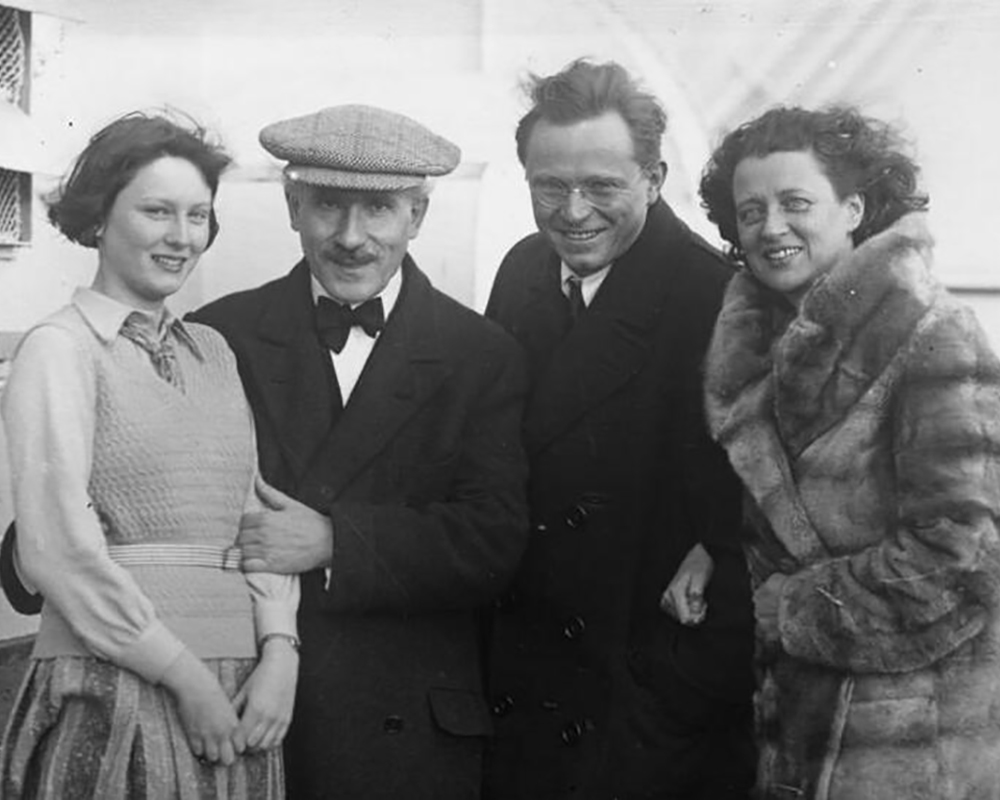
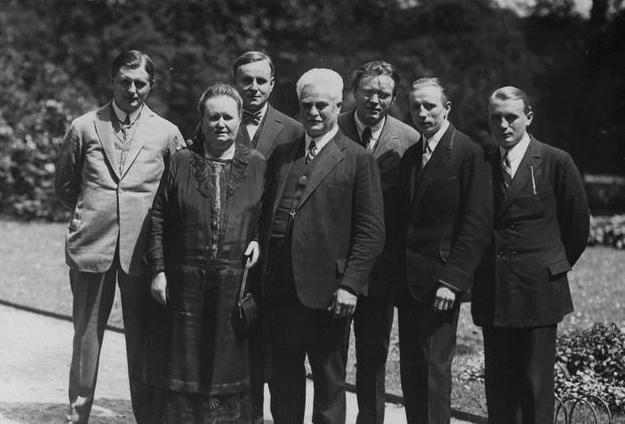
Click any of the pictures below to view an enlarged version complete with additional quotes in the captions.