From the Archives:
Luis Batlle

  • Introduction
  • Timeline
  • Recordings
  • Gallery

Introduction

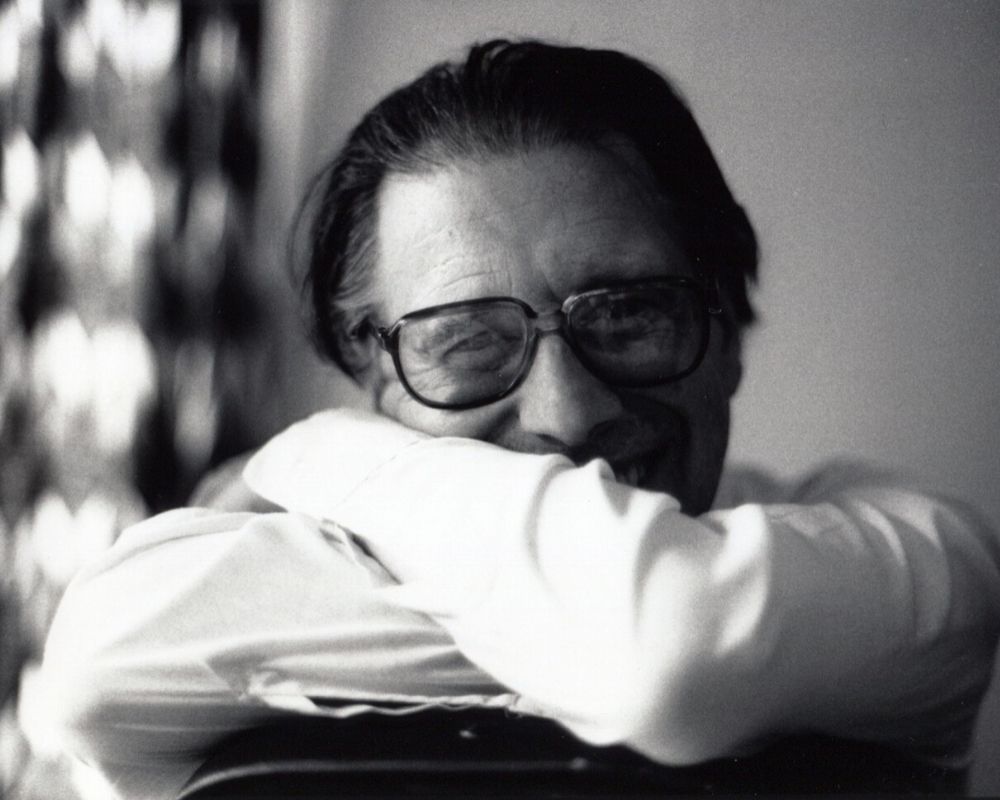
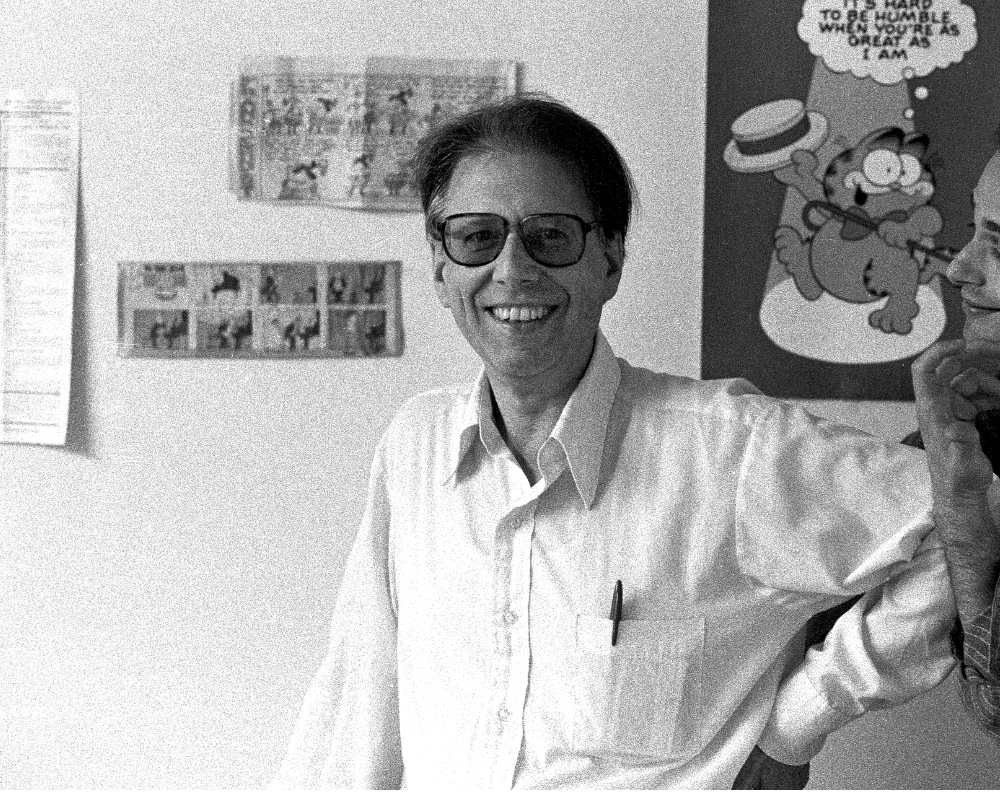
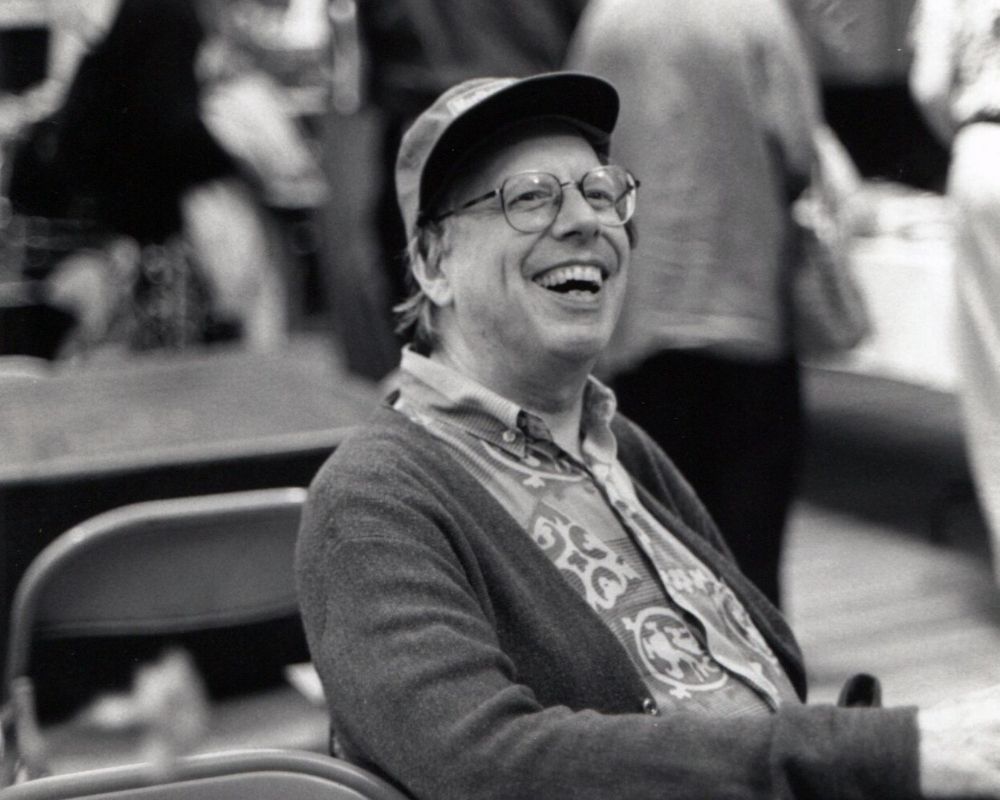
Pianist Luis Batlle was a beloved member of the Marlboro Music community for over five decades. While he came from a family of presidents—his great uncle, his father, and his brother were all heads of state of Uruguay—he was more a Renaissance man than a political power broker. He spoke five languages, was exceptionally well-read, and loved theater, art, film, and, most of all, music and people.

He received his training at the Kolischer Conservatory in Montevideo but also studied privately with Rudolf Serkin in Philadelphia from 1956 to 1957, residing with the Serkin family on Delancey Place. With his winning personality, musical sensitivity, and wry sense of humor, he quickly established a bond with the whole Serkin family, which adopted him as a son and brother. Yet, it was Batlle’s musical knowledge that inspired Serkin to choose him as his co-director of the Institute for Young Performing Musicians, founded in Vermont in 1978. Luis Batlle first came to Marlboro as a young musician in the summers of 1956, 1958, and 1961, and he returned each year starting in 1963, becoming an invaluable member of the community. He also became a beloved member of the music faculty of Marlboro College.

Luis soon became known for his musical sensitivity as well as his broad knowledge of the instrumental and vocal repertoire. With his deep interest in the arts and the humanities more generally, he was vividly able to illuminate and contextualize the vocal and instrumental music that he and his musical partners explored together. When Marlboro Music honored Batlle in 2013, pianist Murray Perahia wrote:

You will always hold a special place in my heart… From when I first came to Marlboro, I thought of you as a close friend and, as such, I looked to you for advice and direction.

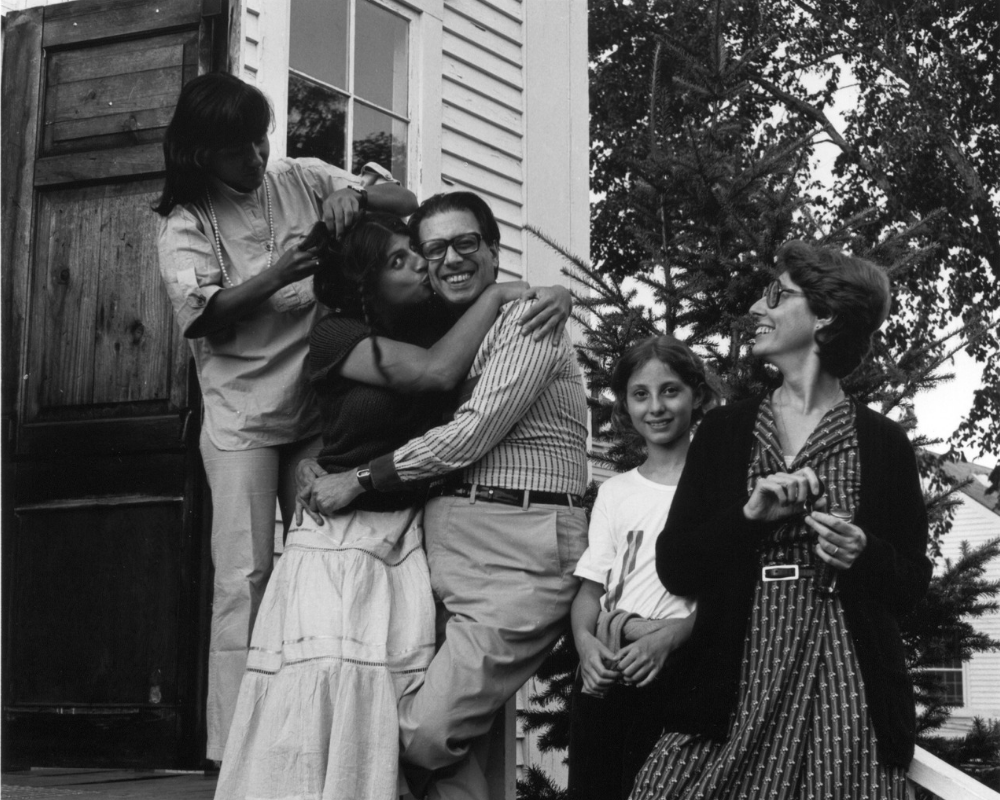
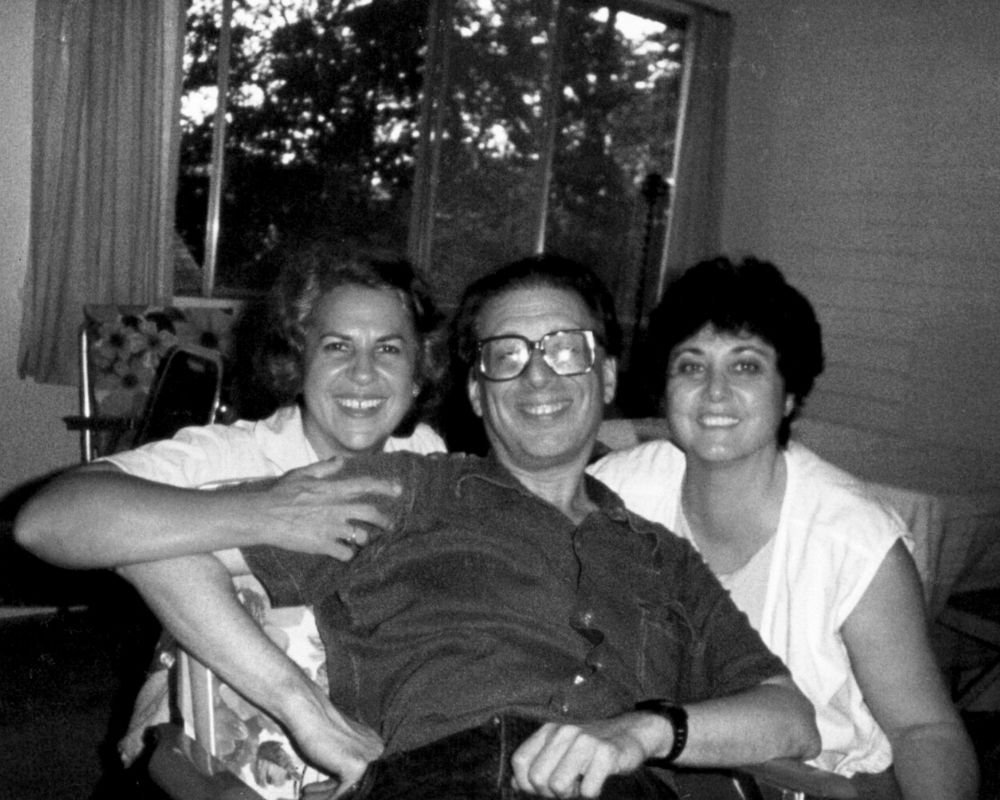
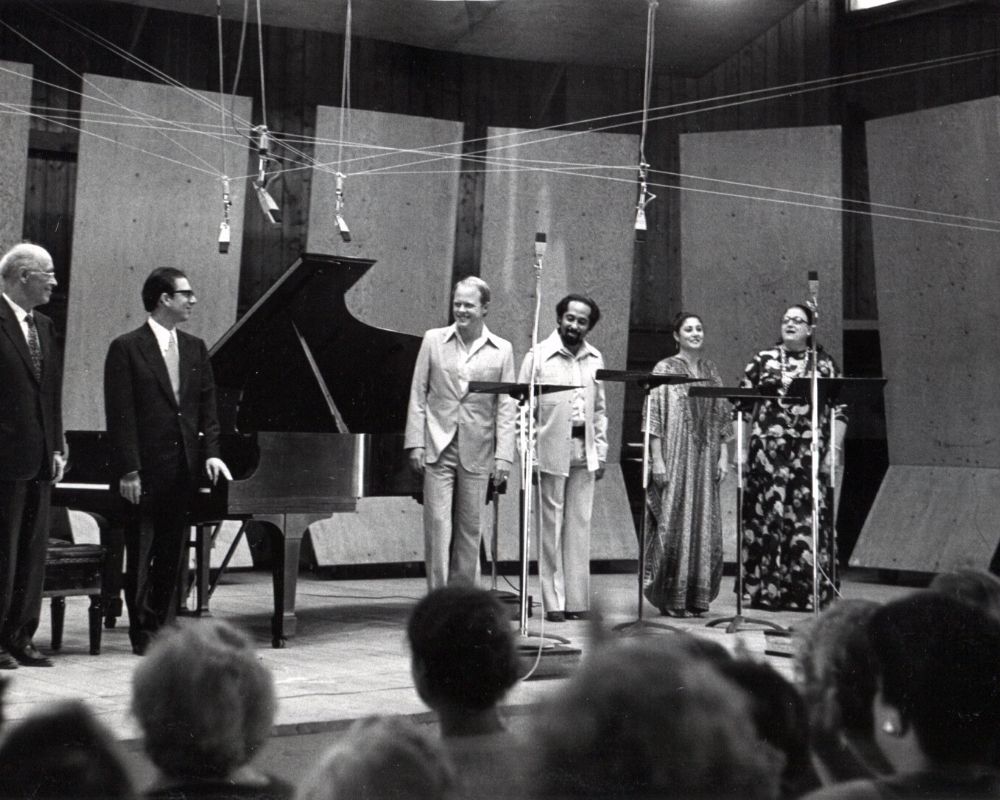
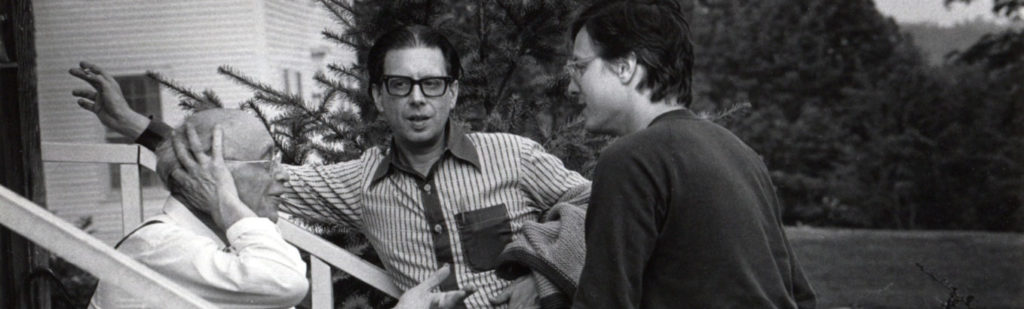
While Luis will likely maintain the record for most performances in Marlboro history with 399, it is not the number of times he performed but the insights that he offered that made his contributions inestimable to musicians and audience members alike. Even after their summers at Marlboro, artists including Jonathan Biss, Peter Serkin and Murray Perahia would come to Vermont to play new works or programs for Luis, eager to hear his assessment. His generosity of time and spirit—and that of his fellow Marlboro College faculty member Geraldine Pittman, whom he married in 1981—was legendary in both the Music School and College communities. Not only did they invite older participants and staff members to their home for dinners and parties, but they paid special attention to new and more reserved members of our community and to students of the College who were in need of guidance and support. Their warmth and direction, as well as the knowledge that they imparted, deeply touched and enriched generations of Marlboro Music family members.

Timeline

1930

Birth

Luis César Batlle Ibáñez is born to a prominent political family in Uruguay during the end of the “Batlle era,” which spans from 1903 to 1933. This period sees the expansion of suffrage, the nationalization of foreign owned companies, and the establishment of modern social welfare in the country. The Batlle family has been involved with the progressive Colorado party since the 19th century, when Luis Batlle’s great uncle served as president. His first cousin once removed, father, and brother all attain the same office, and their spirit of service and altruism creates the moral framework in which Batlle is raised.

1936

Musical Beginnings

While the family on his father’s side is political, Batlle’s family on his mother’s side is musical. Due to his frail health as a child, Batlle does not regularly attend school outside the home. However, he is incredibly bright and receives instruction from his mother. It is she who notices his joy in music and song, and who encourages him to pursue music from a young age. His mother borrows a piano from a family member so that she can lead Batlle’s first piano lessons herself, and his brother remarks that “one day, he sat down at the piano and never got up.”

1940

Formal Study

Batlle begins his formal studies in Uruguay’s capital, Montevideo, and gives his first public recital at the age of 12. His primary teachers are Victoria Schenini and Wilhelm Kolischer. The latter had studied with Karl Heinrich Barth, whose pianistic lineage traces back to Liszt, Czerny, and Beethoven. Kolischer became friends with a fellow Barth student, Artur Rubenstein, when they both studied in Berlin, and the two traveled away from the continent around the time of WWI. Their tour recitals brought them to Uruguay, where Kolischer stayed to found his own conservatory. Despite settling in South America, Kolischer remains a champion of music from his native Poland, and he establishes a competition scholarship at the conservatory in the name of Fryderyk Chopin.

1950

From Uruguay to France

Aware of their political clout, Batlle’s family members insist that competitors perform behind a curtain to ensure the impartiality of the judges. Nevertheless, Batlle wins the first Chopin competition in Montevideo at the age of 21. The prize allows him to study in Paris for three years with the dedicated pedagogue Yves Nat of the Conservatoire de Paris. An early musical partner of violinists such as Enescu and Ysaÿe, Nat is committed to chamber music and is particularly devoted to the works of Schubert, Schumann, and Brahms, even though German composers are anything but popular with the French in the post-war period. No doubt, Nat’s philosophy “Tout pour la musique; rien pour le piano,” resonates with Batlle. The young musician first learned French from his mother and easily picks up local dialects of the language during his studies in France, adding to that knowledge a fluency in Italian, German, Portuguese, English, and Russian throughout his life.

1951

From Paris to Chicago

After receiving his education with Nat, Batlle meets Adolf Busch in Argentina, where the eminent conductor directs the Argentinian Symphony. Busch hands him an envelope to give to Rudolf Serkin in Chicago because he knows that Batlle will accompany his father on a diplomatic trip to the United States. Once Batlle makes the journey and finds Serkin, the two men find that the message is a letter recommending Batlle to Serkin, who accepts the young pianist to an even younger Marlboro School of Music.

1956

Marlboro, VT

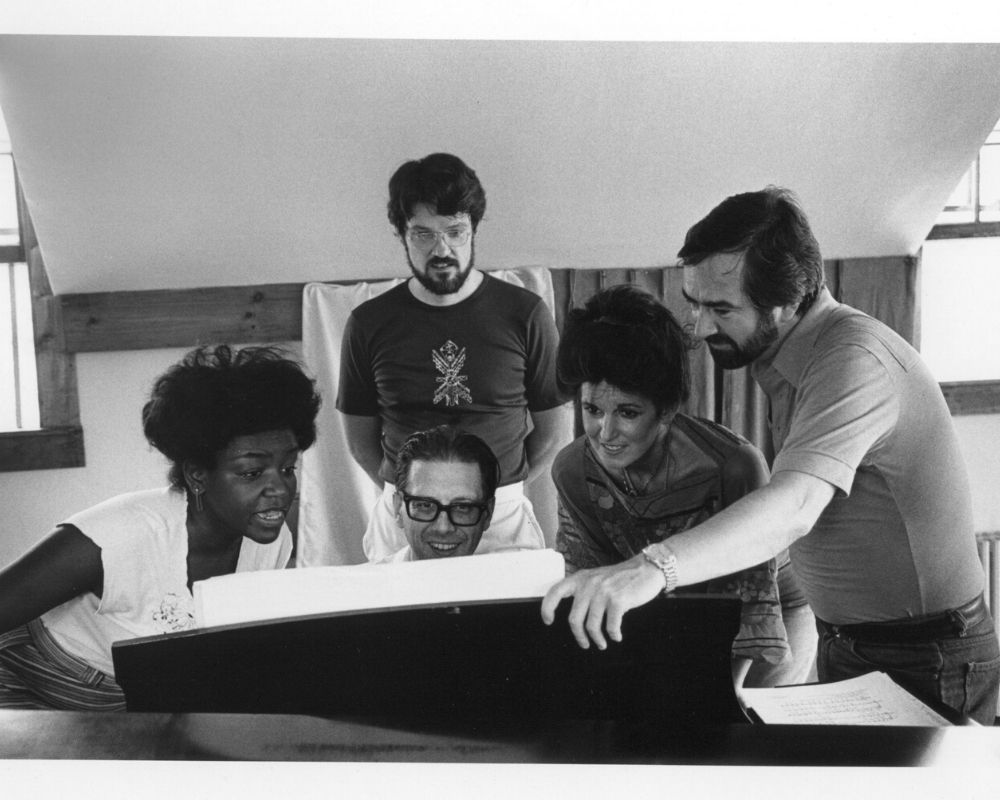
Batlle finds an affectionate, familial atmosphere at Marlboro, and he considers 1956 to be one of the most important summers of his life. He becomes committed to Marlboro and the Serkin family and attends the festival for 48 of the next 52 years. From his early summers, he meets many of the people who would become his Marlboro family including Martha Salomon, Benita Valente, Madeline Foley, and Harold Wright. Batlle begins as a new participant playing a lot of repertoire, but his knowledge of languages and vocal repertoire soon earnes him responsibility for the singers and designing their schedules. In addition to relishing his musical responsibilities, Batlle falls in love with the nature of the Vermont countryside.

1957

Philadelphia, PA

After his first summer at Marlboro, Batlle moves with the Serkin family from Vermont to Philadelphia on Delancey Street and stays with them for over a year, both taking lessons from Rudolf Serkin and giving lessons to Peter Serkin. Establishing close relationships with each family member, he quickly becomes part of the family, and when he marries his first wife, Eliza, in Montevideo, the Serkins travel to attend the celebration in the capital of Uruguay.

1958

Kolischer Conservatory

Soon after Batlle’s marriage, Wilhelm Kolischer passes on the directorship of his conservatory to the younger musician, who received his first studies in that very institution. In addition to directing the conservatory, Batlle gives private piano lessons and realizes that teaching is one of his greatest joys. During this period in Montevideo, he also becomes a father to four children: Eliza, Luis, Leopoldo, and Jorge. Being surrounded by family becomes another of his most important priorities.

1967

Musicians from Marlboro

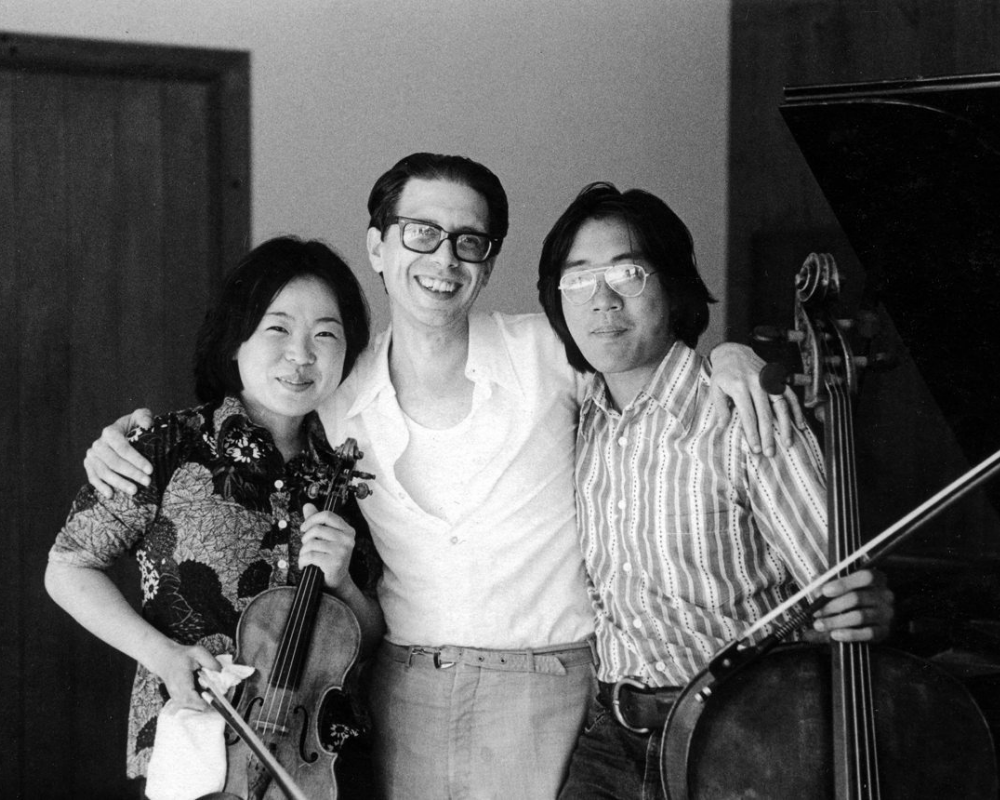
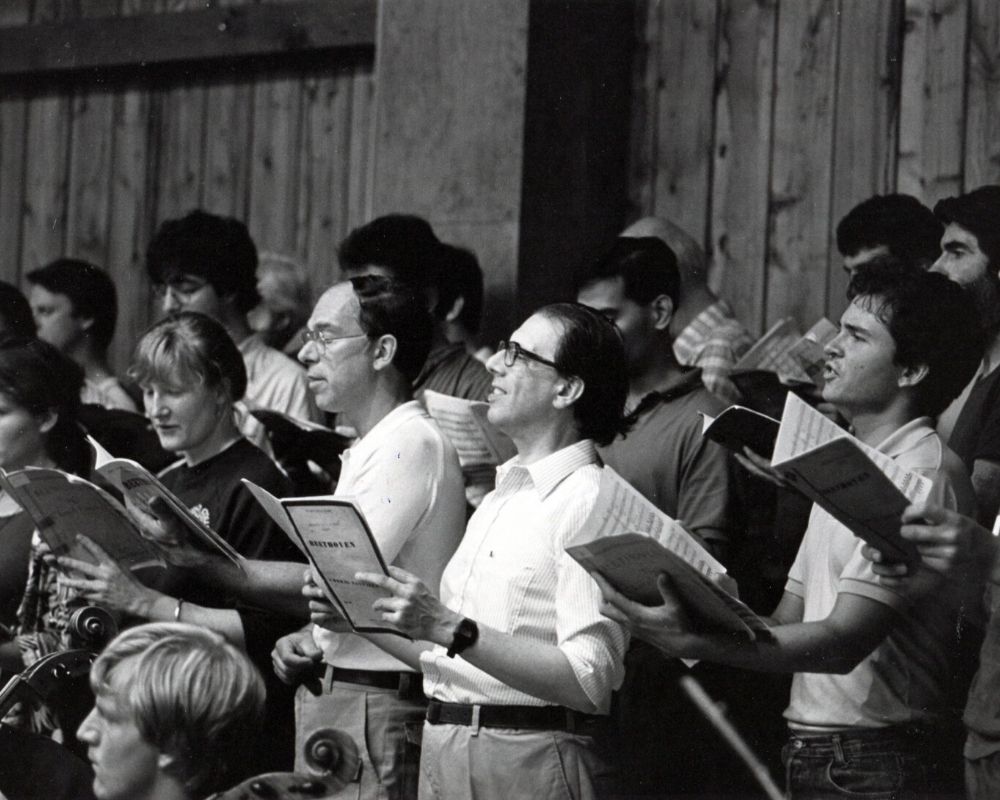
In addition to his participation at Marlboro in the summers and his direction of the Kolischer Conservatory during the academic year, Batlle maintains an international touring career. He plays frequently with other Marlboro participants, such as Shmuel Ashkenasi, Pina Carmirelli, Miriam Fried, Jaime Laredo, Benita Valente, and Harold Wright. He takes part in eight Musicians from Marlboro tours over the course of four decades, beginning as a young musician and continuing as a senior artist into the ‘90s with young musicians such as Catherine Cho, Scott St. John, and Misha Amory.

1978

A Significant Move

Following a period of economic collapse and guerilla warfare, Uruguay succumbs to a civic-military dictatorship in the mid-1970s. Amidst such turmoil, the Kolischer Conservatory is destroyed, and Batlle decides to move permanently to the United States. He nevertheless remains fiercely proud of his heritage. “Only the military could have caused him to leave his country,” and he pointedly notes that the U.S. is only one part of “America” whenever he hears the ubiquitous conflation of the two. Upon his arrival in the United States, children in tow, he co-directs Serkin’s Institute for Young Performing Musicians in Guilford, where he teaches Yefim Bronfman, Stephanie Brown, Cecile Licad, and Peter Orth. He is also one of Ignat Solzhenitsyn’s first teachers, and he takes positions at Boston University and the Longy School of Music.

1980

Marlboro College

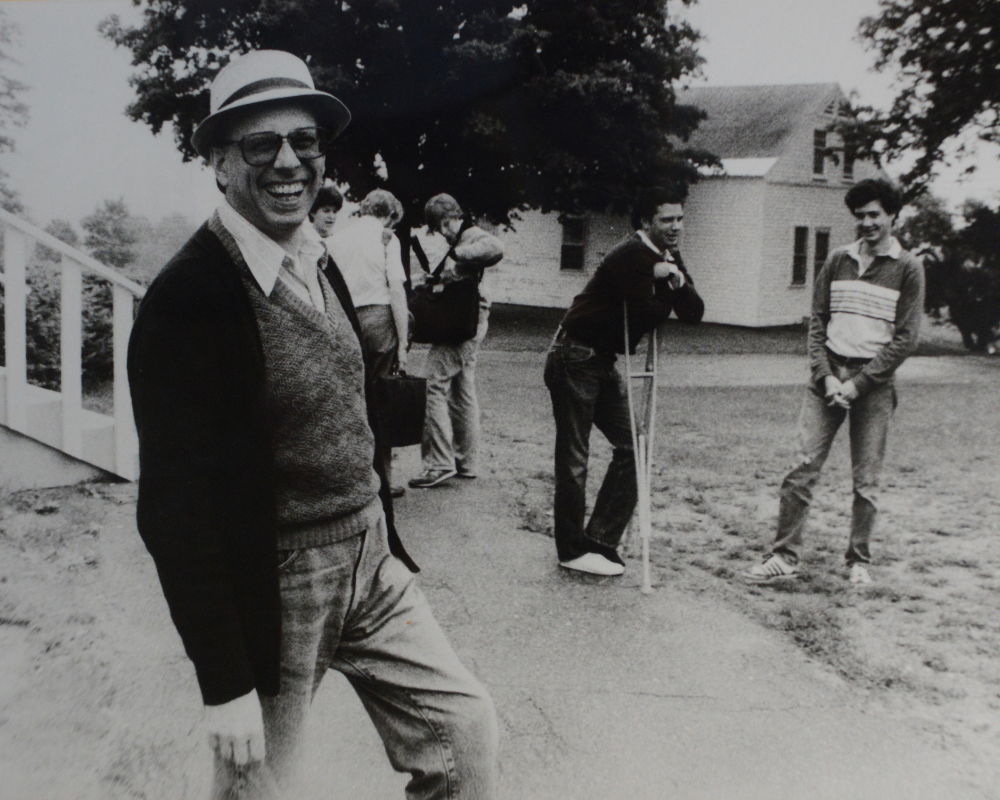
His most consequential academic appointment, however, is at Marlboro College, where he serves on the faculty for 30 years. Alongside Stanley Charkey, Batlle is one of the few but vital professors of music, and he teaches everything from piano to harmony, counterpoint, musicology, and composition. Not only is his involvement with the college long lasting and enriching in and of itself, it provides a link between the college and the festival, where he continues to be a participant. Having split from his first wife, Batlle marries fellow faculty member Geraldine Pittman, a beloved literature professor. Their home is a place where students are always welcome for good conversation, often accompanied by a game of bridge. About teaching at Marlboro, Batlle would say, “You have to take into consideration the personality of the student, to help that personality to express itself, in the best possible way,” but also that he loves teaching so much “because I am a gossiper at heart, so I want everyone to know what I know.”

1985

A Return to Democracy

Meanwhile, after over a decade of military rule, Uruguay restores a democratic government. The elected president, Julio María Sanguinetti, is a member of the reform-minded Colorado party, and his presidency is succeeded by that of Batlle’s older brother, Jorge Luis Batlle Ibáñez. Seventy-two foreign representatives attend the momentous inauguration, which ends an era in which Uruguay had the highest per capita number of political prisoners in the world. Luis Batlle not only returns to his country to perform at the inauguration, he stays for a month to play benefit concerts in every small town with a piano that he comes across. The condition of many of the instruments is less than ideal, but he succeeds in raising funds to replace books that the military had destroyed, staying safe as he travels across the country that he had missed so dearly.

2000

Roots in Vermont

Back in Vermont, all four of Batlle’s own children attend Marlboro College, and he establishes both an annual concert to benefit the homeless in Brattleboro and a Sunday afternoon concert series at the college, which brings internationally renowned musicians to the rural campus year-round. He loves the Vermont countryside in the green abundance of summer and the crystalline white of winter. Appreciating democracy all the more from having seen the results of military rule, he becomes politically active in the community, playing benefit concerts with Sharon Robinson and Jaime Laredo for Senator Patrick Leahy. He is honored by the Vermont Arts Council for his contributions to the state as musician and devoted educator. His last public performance is for the dedication of the Paul and Dorothy Olson music library in the Serkin Center for the Performing Arts.

2016

Death and Legacy

Having played the piano for over 60 years, Batlle is diagnosed with Parkinson’s disease in 1994. The symptoms develop slowly at first but eventually begin to affect his right hand. Mindful of the complications, Batlle nevertheless retains control of his left hand for some time and continues to teach at the college until his retirement in 2010. When he passes away from complications of Parkinson’s in 2016, Batlle is survived by friends and students all over the world, from Uruguay to Vermont, who remember his incredible generosity, humble sense of genius, and sly humor. Though his teaching style was never forceful, and he preferred to tend to “students’ needs without overwhelming them [because] it’s better for them to come to realizations on their own,” the lessons he imparted remain with those who studied with him to this day. In the first concert of the festival’s 2019 season, Mitsuko Uchida and Jonathan Biss perform together for the first time as co-artistic directors of Marlboro Music, and they choose Schubert’s substantial and rarely-heard Divertissement à la Hongroise for four hands. It had never been performed before at the festival, but both Uchida and Biss had studied it with Luis Batlle, and their performance links his love of the piece to the present and future of musical study at Marlboro.

2020

Acknowledgements

As with every archival profile, this piece would not have been possible without the opportunity to talk with people who worked closely with and truly loved the subject. In addition to all who submitted the recollections that are featured in the captions of the gallery photos, all of Batlle’s children, Eliza, Luis, Jorge, and Leo, as well as his wife Geraldine Pittman de Batlle, provided meaningful, rich, and loving information about him for this project. May his life continue to inspire others through his examples of generosity, good humor, scholarly excellence, and thorough love of music.

Gallery

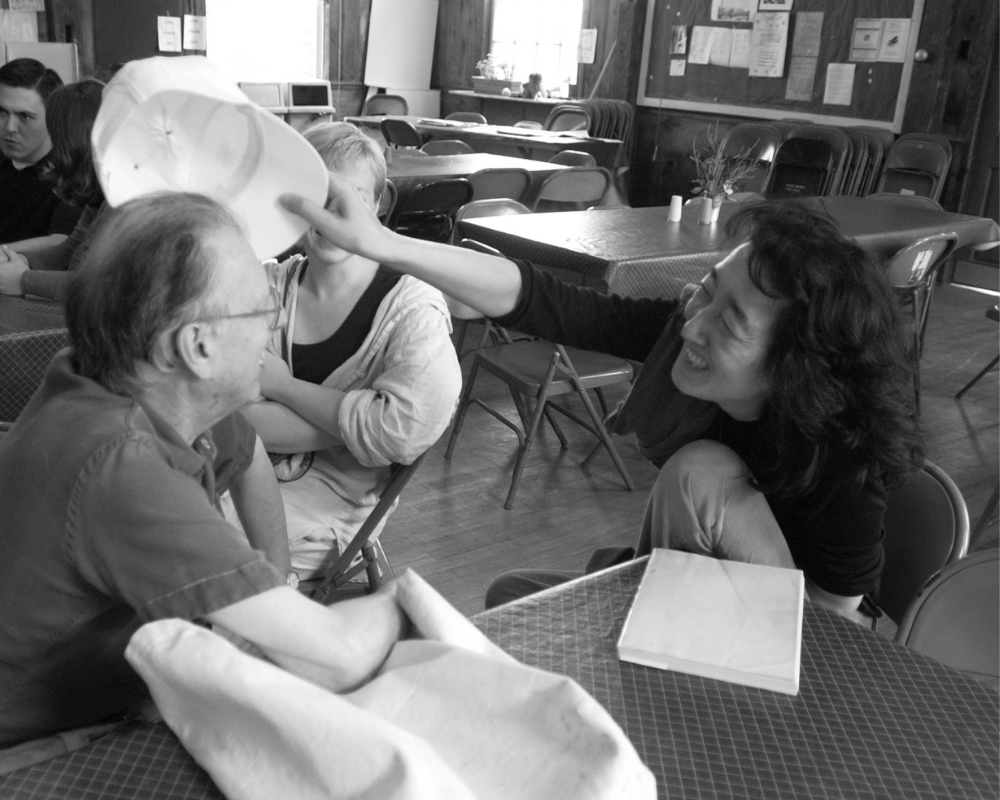
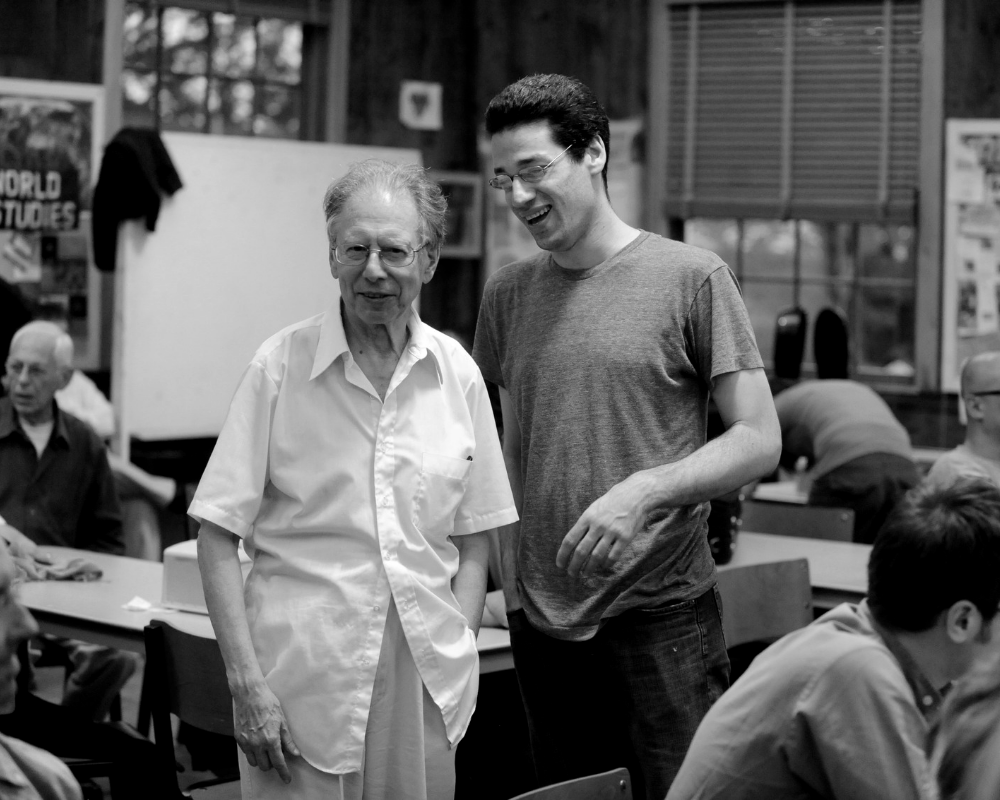
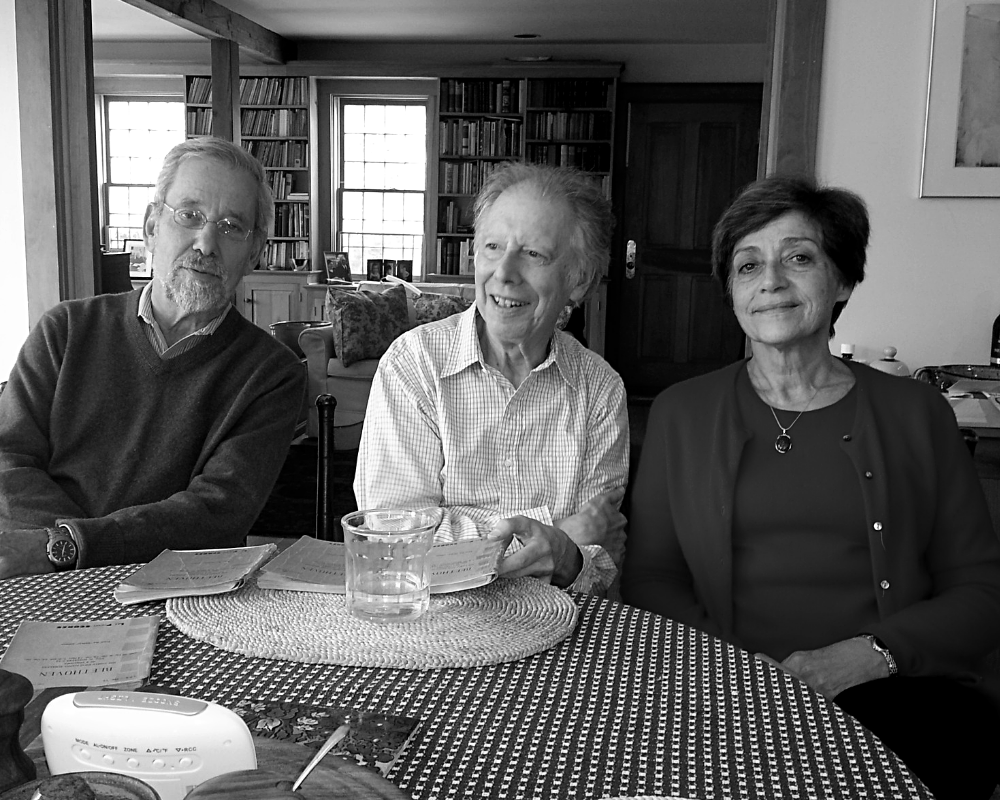
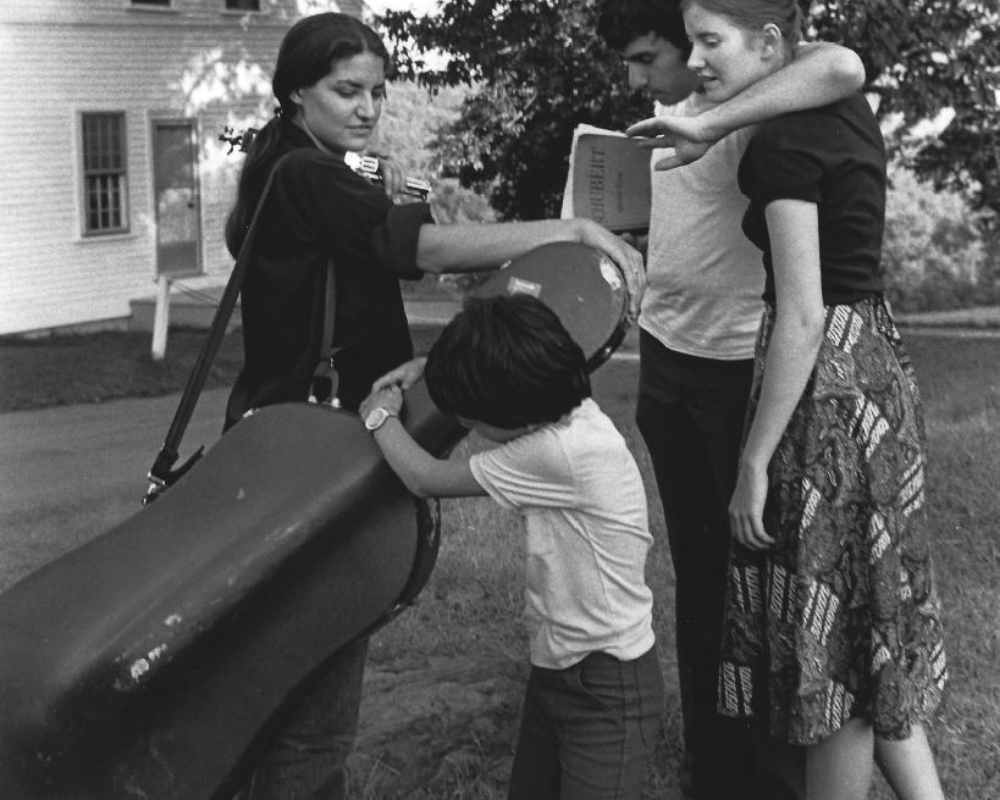
Click any of the pictures below to view an enlarged version complete with additional quotes in the captions.