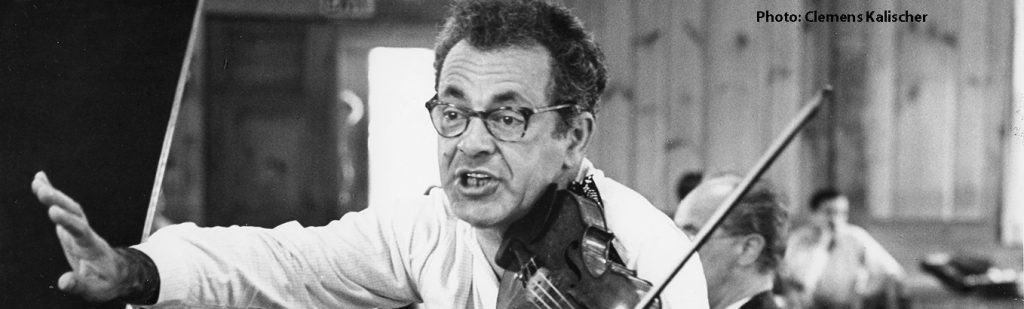
From the Archives: Alexander “Sasha” Schneider

  • Introduction
  • Timeline
  • Recordings
  • Gallery

Introduction

Rudolf Serkin, a Marlboro founder and its guiding spirit for four decades, often said that Marlboro was based upon a spirit of generosity. That spirit remains at the heart of our community. This is the first in an ongoing series of profiles focusing on some of the legendary figures who helped to establish that spirit—true originals who inspired and influenced generations of young musicians with their musical insights and humanity. Through their performances, photographs, biographies, and the recollections of past participants and others, we hope to bring to life a sense of their substantial contributions to Marlboro and music, for which we are ever grateful.

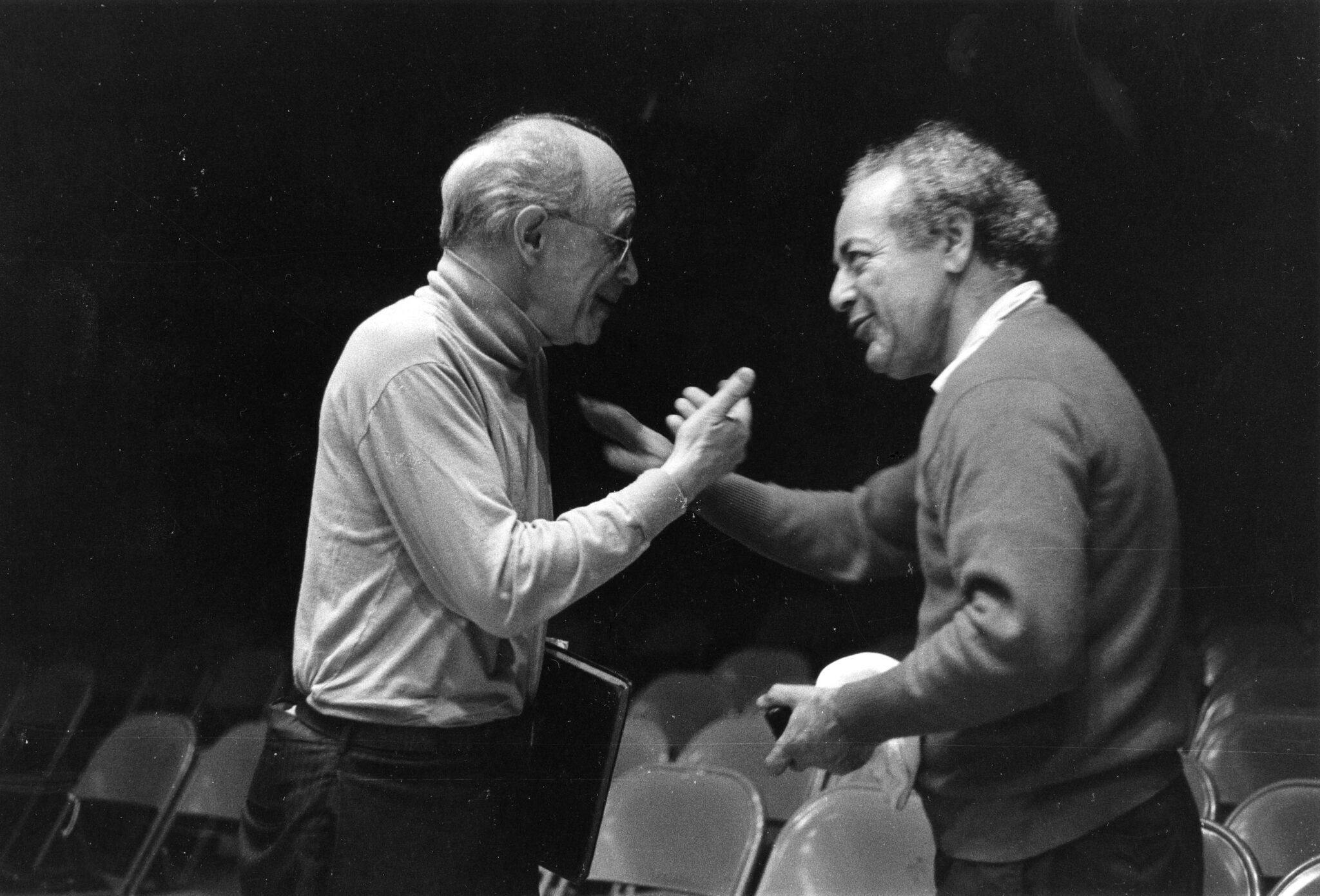
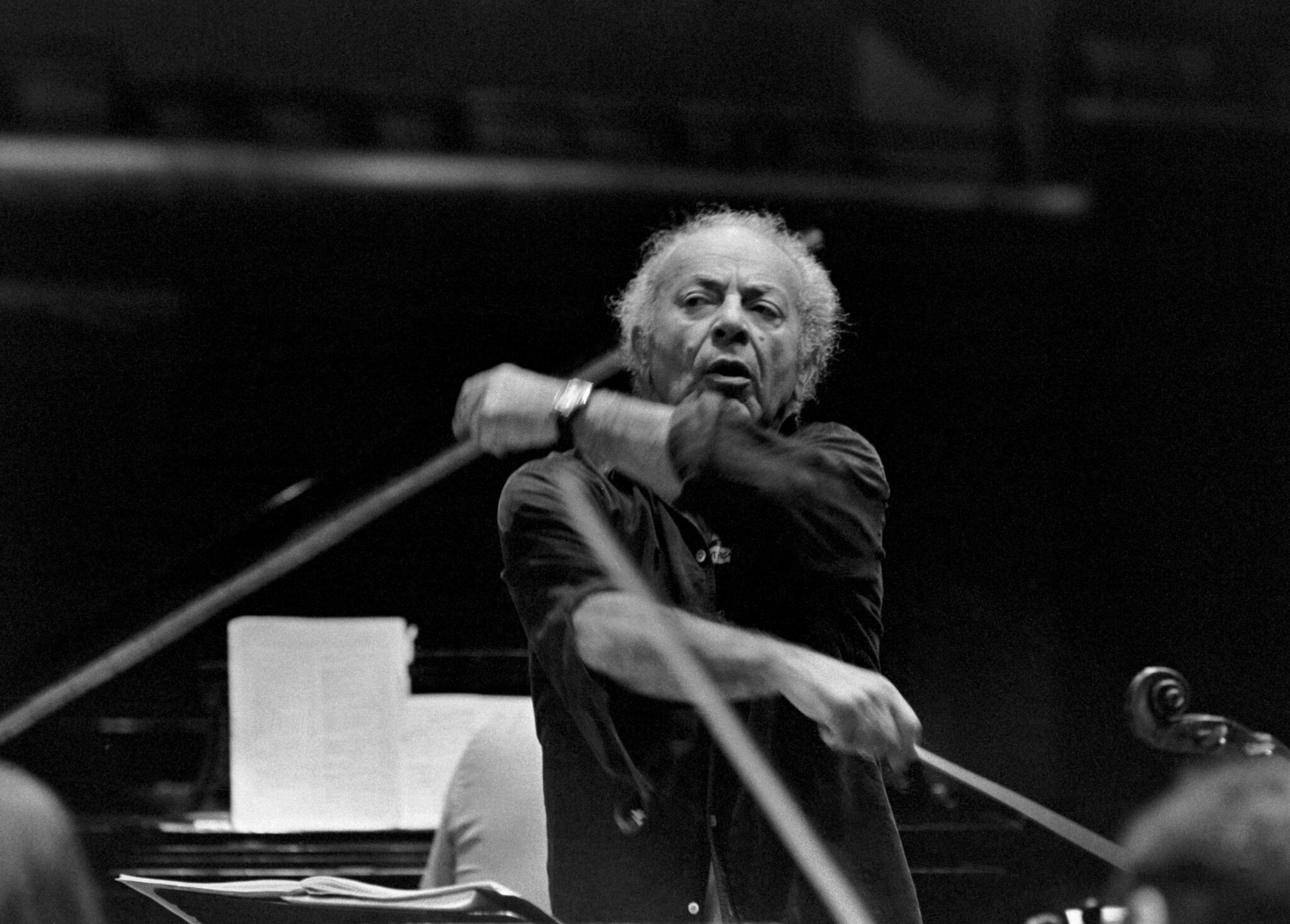
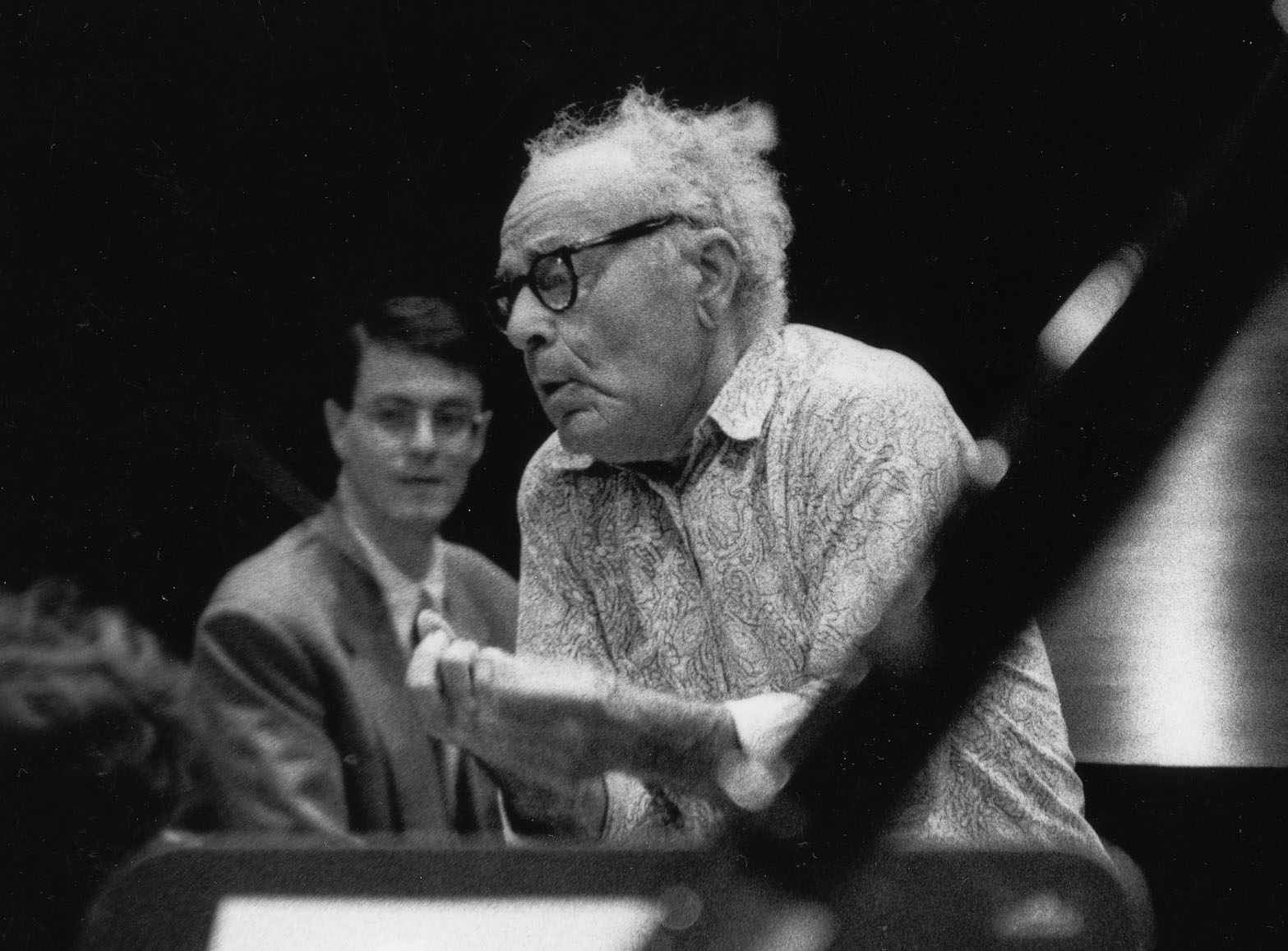
Alexander “Sasha” Schneider was a force of nature, a larger than life figure who had a passion for music and life matched only by his love of food and members of the opposite sex. For those who favored a gentle manner and refined music-making, Sasha was not their cup of tea. But he attracted enthusiastic and devoted audiences, and he was a major influence on generations of musicians, especially string players. Sasha felt it an honor to be a musician: that one should give one’s all at every rehearsal and performance, should play with warmth and from the heart, and should make music come alive.

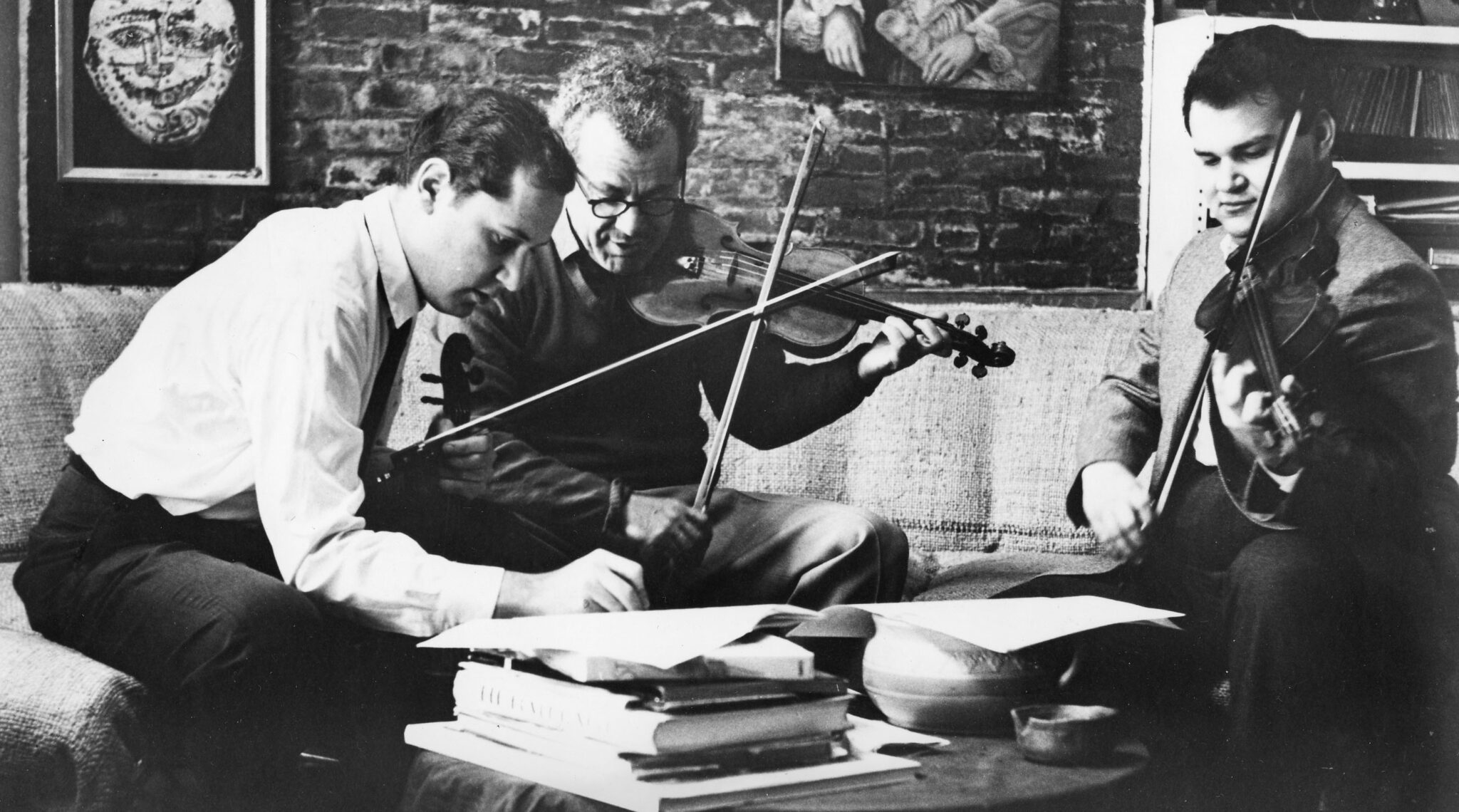
In his time at Marlboro between the years of 1956 and 1991, Sasha did just that. He was “the godfather” of the Guarneri Quartet, whose formation at Marlboro he encouraged in 1964. And in his series at The New School in Greenwich Village, he presented the New York debuts of Peter Serkin; the Guarneri, Cleveland, and Vermeer Quartets; TASHI; and many other artists with whom he had collaborated in Vermont. At Marlboro, from the second violin chair in chamber music to the podium of small orchestral works, he brought vivid colors and a spitfire temperament that opened new vistas and inspired his young colleagues. As the most recent Groves Dictionary of Music & Musicians described him, Sasha was “one of the most unquenchably energetic figures in the public musical life of the USA.” His full Marlboro performance history can be found here, alongside those of every past Marlboro participant, which can be easily searched for by name, year, and instrument.

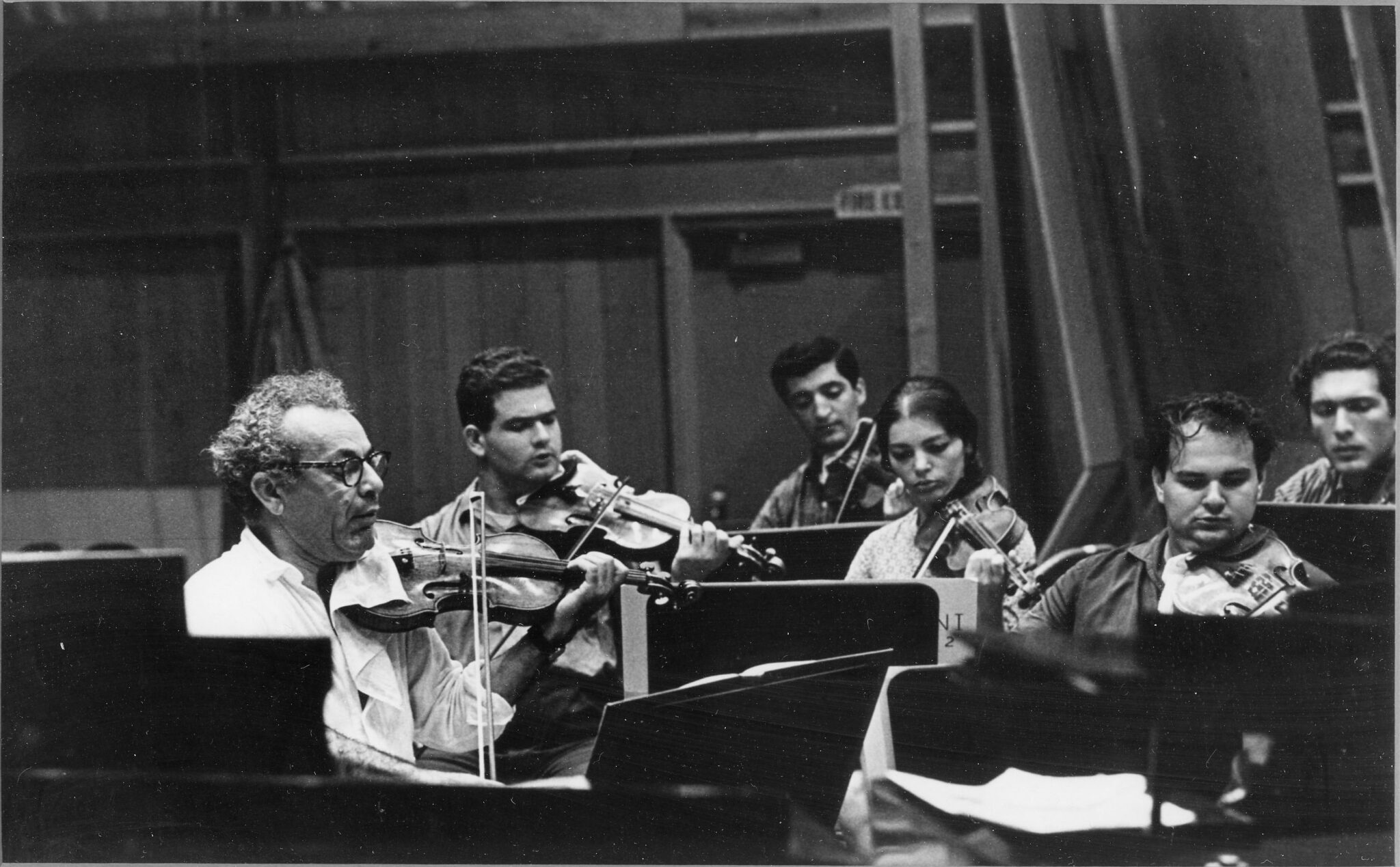
Sasha also brought Pablo Casals out of self-imposed exile from Franco’s Spain by starting the Casals Festivals in Prades and, later, in Puerto Rico. He shared the musical lessons that he learned from the great cellist and conductor, and he helped bring Casals to Marlboro in 1960—the first of 13 inspirational summers that Casals would spend in Vermont. Sasha was well-known as a member of the legendary Budapest Quartet. Yet it was his Schneider Quartet that was the first ensemble to record all the string quartets of Haydn (the remarkable performances of which were recently re-released by the Haydn Society), and he formed a number of other notable ensembles. For 24 years, he opened new musical worlds for some of the country’s most gifted 16-23 year-old musicians during the acclaimed 10-day Christmas-time New York String Orchestra Seminar and Carnegie Hall Concerts, which continue to this day under the direction of Jaime Laredo.

Sasha Schneider’s influence will live on through his legendary recordings, through the many notable musicians he mentored and inspired at Marlboro and elsewhere, and through generations of their students.

Watch a pair of extraordinary videos of Madeline Foley with Pablo Casals. The 1955 NBC documentary is narrated by Foley and includes an extended on-camera interview of Casals by Foley. The Mannes School documentary (also from 1955) features Casals teaching Foley for an extended segment on the Prelude from the Bach Fifth Suite (3:58-8:20).Content 1

Timeline

1908

Birth and Early Life

Alexander Schneider is born Abram Sznejder to a Jewish family in Vilnius, Lithuania. A cut knee at 13 years old leads to an almost fatal tetanus infection. Though he eventually recovers, Sasha is beset with joint distortion and recurrent pain. After this brush with death, he begins performing in lively venues — brothels, among other places. By 16, he is the concertmaster of the Frankfurt Museum Orchestra. By 19, he becomes the leader of orchestras in Saarbrücken and Hamburg, where he changes his name from Abram to the more Germanic Alexander. The name Sasha, however, by which he is most familiarly known, is a Russian diminuative.

1932

Budapest Quartet

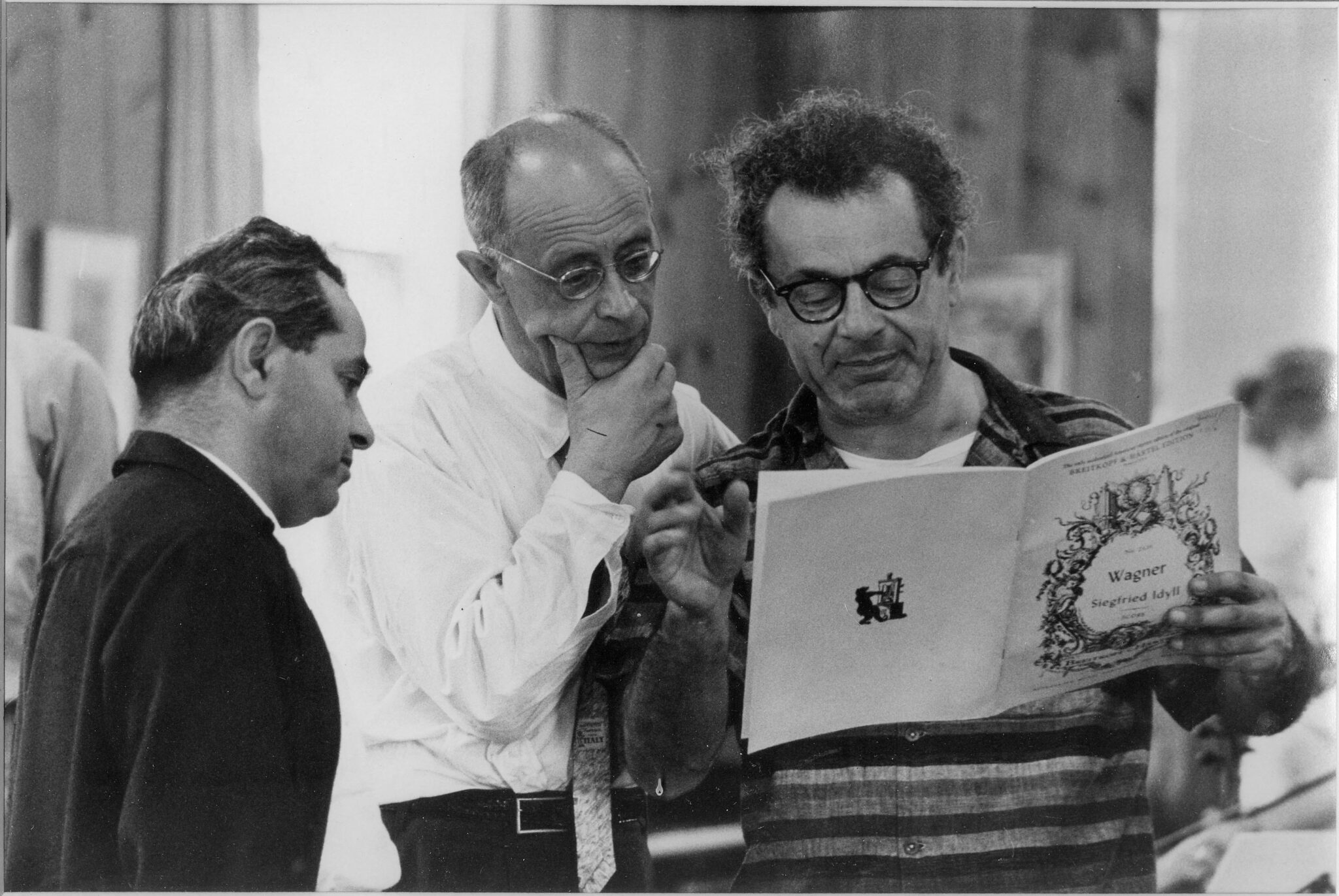
Sasha is denied orchestral work in Germany as the Nazis rise to power. He leaves to join his brother Mischa, a cellist, in the Budapest Quartet, which tours internationally and which becomes recognized as one of the world’s greatest chamber ensembles. Despite the name of the quartet, Sasha’s arrival brings its membership up to three Russians and one remaining Hungarian member. The original violist, István Ipolyi, is eventually replaced with a fourth Russian. The classic joke attributed to Jascha Heifetz becomes “One Russian is an anarchist. Two Russians are a chess game. Three Russians are a revolution. Four Russians are the Budapest String Quartet.”

1950

Casals

Travelling to remote Prades, in Southern France, Sasha seeks out renowned cellist and ardent exponent of Bach, Pablo Casals, in order to study the Bach solo violin suites with him. Casals has vowed not to play in public until democracy is restored to fascist Franco Spain. Nevertheless, Schneider manages to convince the cellist to found the Prades festival to commemorate the bicentennial of Bach’s death on the condition that all the proceeds benefit a nearby refugee hospital. In 1956, the Casals Festival, with Schneider as the major artistic voice, is established in San Juan, Puerto Rico.

1951

Haydn

A lifelong advocate for the music of what he felt was a great and under-appreciated composer, Sasha records the entire Haydn quartet canon with his Schneider Quartet on 15 separate LPs. These beloved Haydn Society recordings have recently been re-released as CDs on the Music & Arts label. The other members of the Quartet – violinist Isidore Cohen, violist Karen Tuttle, and cellist Madeline Foley – all come to Marlboro and make major contributions there.

1956

Marlboro

Sasha comes to Marlboro for the first of what would be 21 summers of music-making that influence generations of musicians, especially string players. As Luis Batlle recalls, “Sasha came the first year I came, ‘56, and he was a revolution, of course. I mean, I never saw anybody with so much fire in him as Sasha. He was a great addition because he was different, but he approached music with the same devotion.” In the years that follow, other members of the Budapest Quartet, violist Boris Kroyt and Sasha’s cellist brother Mischa, come to Marlboro as well, bringing their insights not only as individual players but also as experienced chamber ensemble members.

1957

New School

Founding Greenwich Village’s New School concert ceries, Sasha serves as its artistic director for 36 years without compensation in order to make tickets affordable for everyone ($1 each for the first 13 years). The series provides accesible chamber music concerts when such a thing is a scarcity, even in New York City, with a commitment to presenting young artists and emerging ensembles at modest admission prices. In particular, Sasha presents programs that feature varied chamber music and chamber orchestra repertoire at a time when it was rare. His commitment to exceptional young artists leads to the debuts of Peter Serkin, the Guarneri, Cleveland, and Vermeer Quartets, TASHI, and many others. The series, now re-named The Schneider Concerts, continues to present exceptional young artists and ensembles.

1960

Casals at Marlboro

In the words of Casals’s wife, Marta Istomin Casals, it is Sasha who “believed that the maestro would have a lot to contribute to Marlboro because there were all these wonderful young talented students at Marlboro, and he felt that it would be good for the students and it would also be good for Casals to be with young people as well and that these young people could benefit from his lifetime of experience and his musicianship, so it was actually Alexander Schneider who said, ‘You must come to Marlboro.’”

1961

Mentorship

“My first performance ever at Marlboro was with him, the Brahms Piano Quintet in 1960, and that was the first of many direct experiences of his intensely vital, fiery, totally committed music-making. He was not easy on me! His brutally frank comments on my shortcomings, though hard to bear at the time, were a major element in helping me to improve my skills and my artistry. One of the most vivid memories I have is of a telephone conversation with him just after my father passed away… When he heard how distraught I was at the moment, he shouted roughly, ‘Work! Keep working intensely and that is how you will heal.’ I hear that voice within me today. It is one of those voices that echo inside my brain and helps to sustain me when I falter.” —Samuel Rhodes

1964

Guarneri Quartet

The Guarneris’ cellist, David Soyer, recalls Schneider suggesting “’Hey, you guys would make a great string quartet. Why don’t you form a string quartet?’ We thought, ‘Well, ok. We’ll try it.’ And we had a party with champagne, with Rudi Serkin and Schneider, at my house. We formed the quartet and he said, ‘Look, you have already such a reputation, don’t play!’ ‘You’ll spoil your reputation!’ Don’t play at all — that was his recommendation.”

1966

Mostly Mozart

Sasha conducts at the Lincoln Center Mostly Mozart Festival from its beginnings and guest conducts around the world, including acclaimed concerts and recordings with the Chamber Orchestra of Europe, of which he was a major influence in its early years, as were Claudio Abbado and Nikolaus Harnoncourt.

1969

New York String Orchestra Seminar

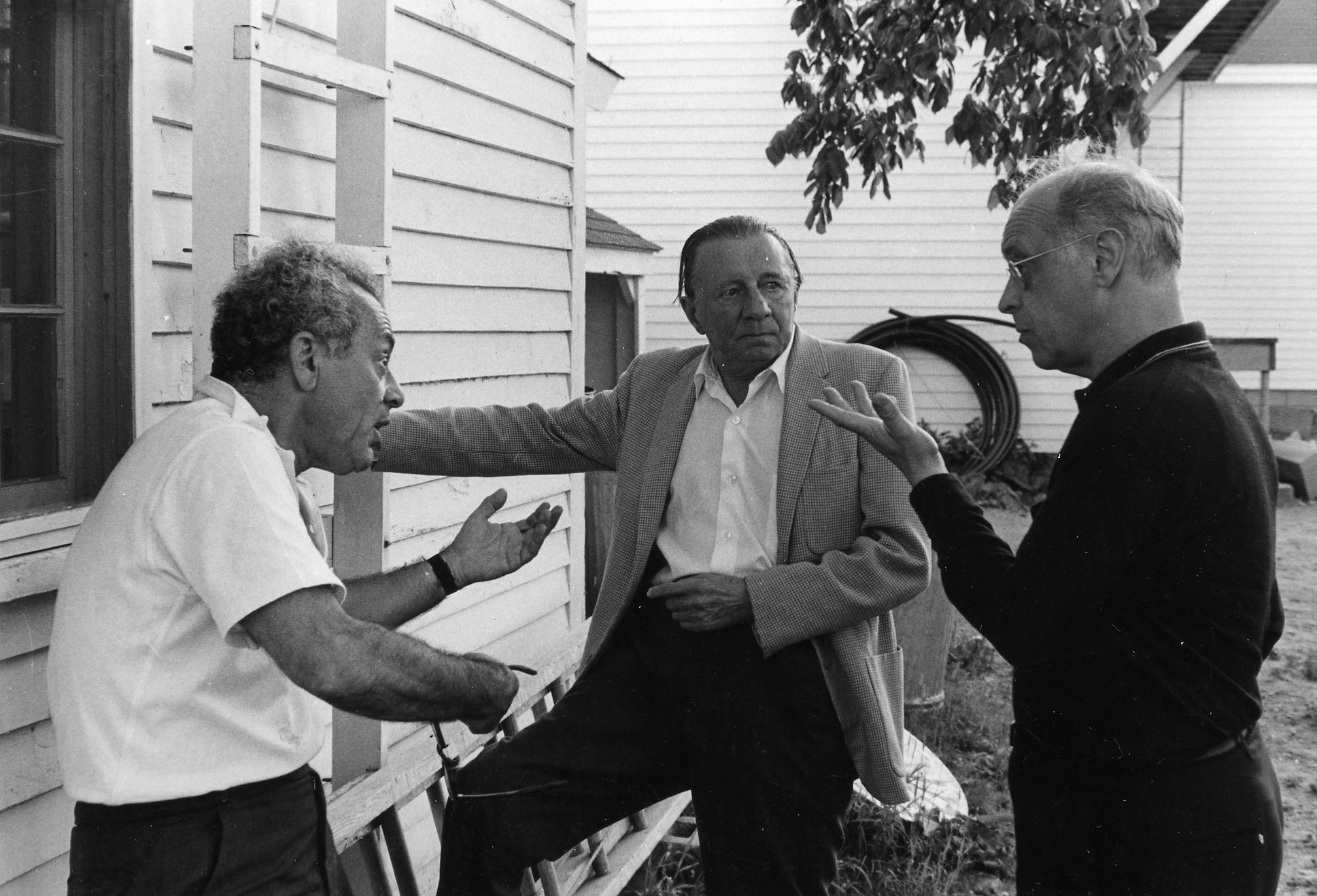
Sasha leads the first New York String Orchestra Seminar, created for him by Frank Salomon (pictured, speaking, in the background), and influences generations of the country’s most gifted young musicians. The ten days of intensive rehearsals conclude with two annual and enthusiastically-received Carnegie Hall Christmastime concerts. For Yo-Yo Ma, one of many students who later went on to participate at Marlboro, “the Seminar was a defining moment for me as a teenager.” Rudolph Vrbsky, the principal oboe of the NSO, recalls working “with him at the String Seminar, and he got this group of high school kids that had never played together so whipped about these pieces… It was exciting; you knew something was happening.”

1980

Guarnerius for Cassatt

Frank Salomon recalls that “Sasha was also an incredibly generous person – not only in his music-making but in so many other ways. When he traded San Francisco patroness and friend Agnes Albert a painting by Mary Cassatt for a Guarnerius violin, his Schneider String Quartet colleague, Isidore Cohen, asked if he could buy Sasha’s Strad. The instrument was worth many times what Sasha had paid for it, but he found his original receipt and would only accept the same amount (around $13,000) from Isie, not a penny more. Not something that many others would do. When Isie passed away, that “$13,000 Strad” was valued at $2,500,000.” Sasha leaves his Guarnerius and the rest of his estate to the Alexander Schneider Foundation, which supports Marlboro, the New York String Orchestra Seminar, and other causes about which he cared deeply.

1993

Legacy and Generosity

Sasha passes away at the age of 84 in Manhattan but continues to be remembered by generations of musicians who were mentored, shouted at, and inspired by him through the years at Marlboro and beyond. “He and Marlboro are responsible for me feeling fearless on stage. It was impossible to get nervous with Sasha. He was just exposing himself all the time. He was just showing and giving all. If that’s what a Marlboro spirit is, then I’ve certainly got some of that from him. I mean that was wearing your heart on your sleeve. You can’t possibly get inhibited in a situation like that. You become an open, giving person by being around somebody like that.” —Pamela Frank

Recordings

Enjoy four historic recordings of Schneider performing and conducting at Marlboro, including works by Mozart, Haydn, Vivaldi, and Mendelssohn.

Sasha’s influence will be felt for generations to come through the students of the many notable musicians he inspired at Marlboro and elsewhere. A wonderful example of this is the 1964 benchmark recording of the Mendelssohn Octet at Marlboro with the members of the newly-formed Guarneri Quartet playing the second parts in a performance led by Jaime Laredo, whose notable career included the formation of the Kalichstein-Laredo-Robinson Trio and four decades as Director of Chamber Music at the 92nd Street Y and successor to Schneider as conductor of the NY String Orchestra Seminar; violist Samuel Rhodes, who was to join the Juilliard Quartet; and cellist Leslie Parnas, the founding cellist of the Chamber Music Society of Lincoln Center.

Audio Recordings from Marlboro

Gallery

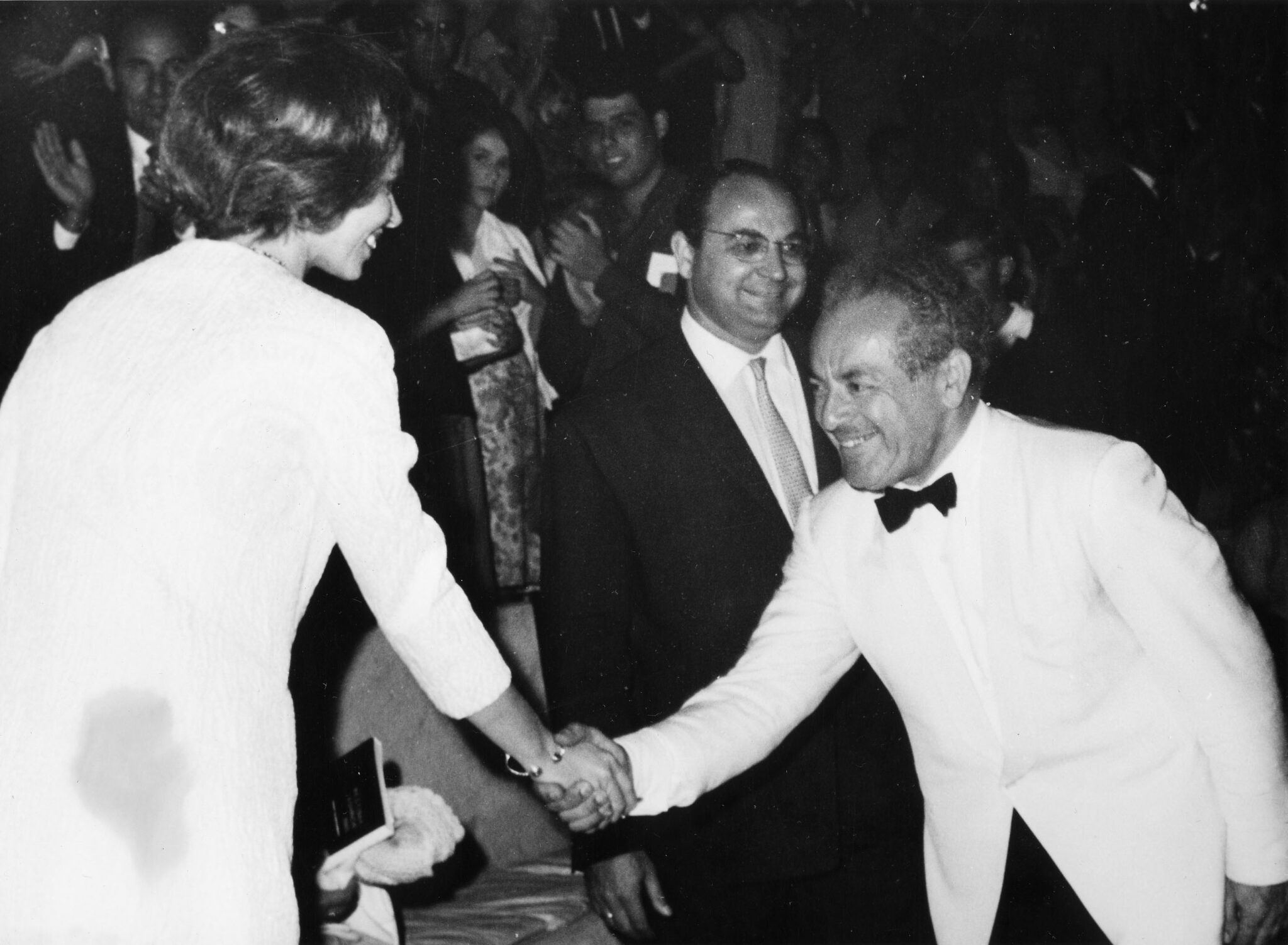
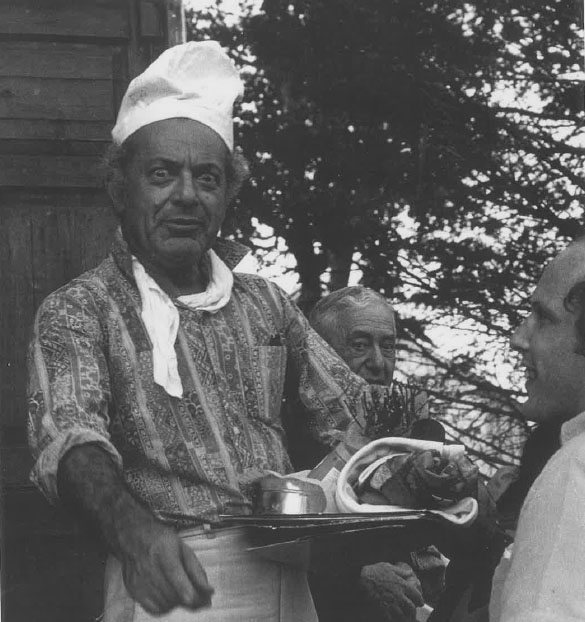
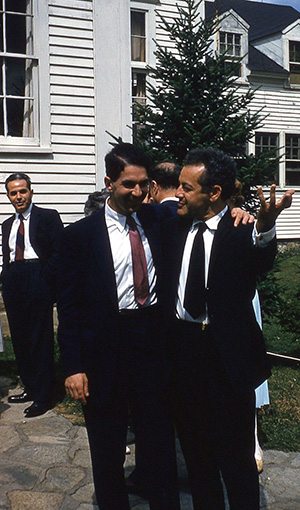
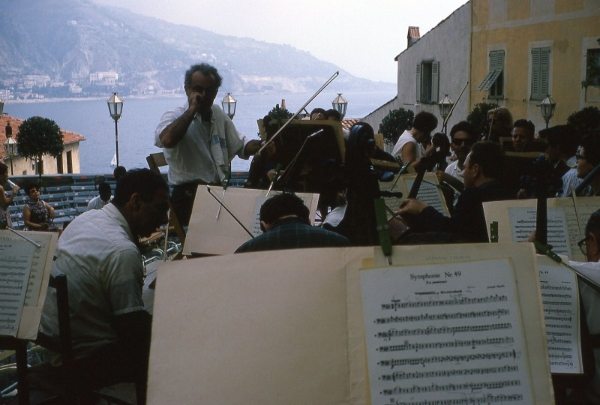
Click any of the pictures below to view an enlarged version complete with additional quotes in the captions.