
- Introduction
- Timeline
- Recordings
- Gallery
Introduction
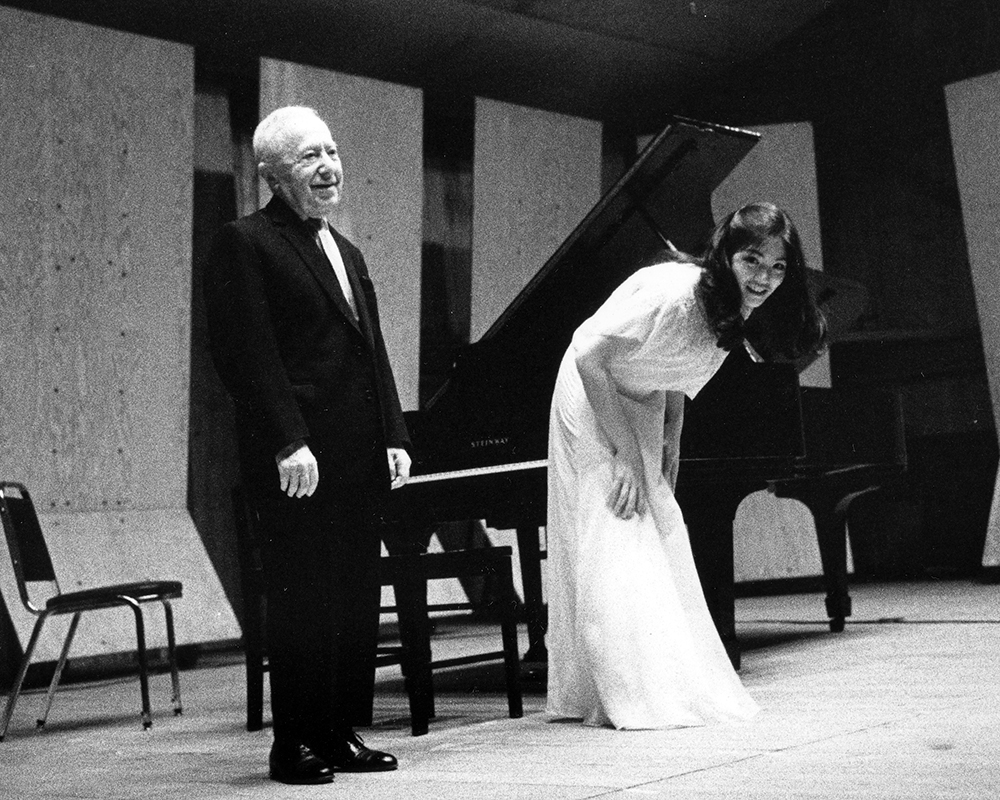
While Mieczysław Horszowski was physically of short stature and a modest person, he was a musical giant for generations of admiring musicians and audiences around the world. A child prodigy who debuted at age ten, he lived for over a century and continued to perform into his late nineties, becoming one of the longest-performing artists in the world. Having developed a close relationship, as a teenager, with legendary conductor Arturo Toscanini, Horszowski appeared as a soloist with him for close to five decades. He played frequently with Pablo Casals at the Prades Festival and also with him and Alexander Schneider at the Kennedy White House, where he also gave a recital for Jimmy Carter.
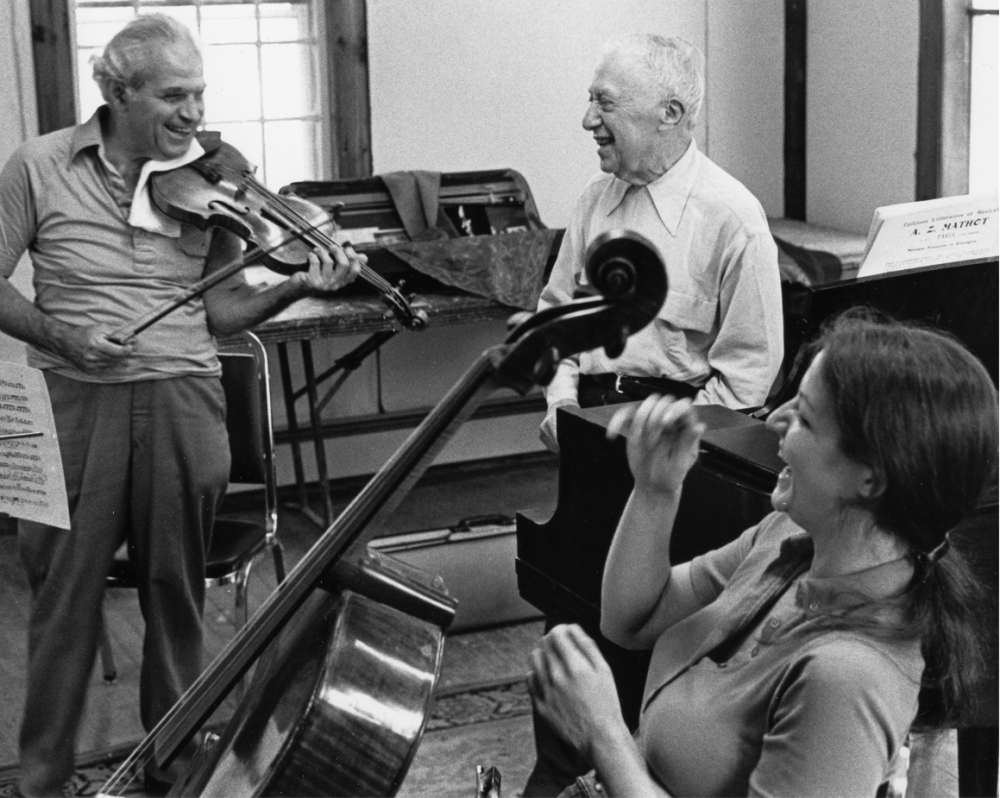
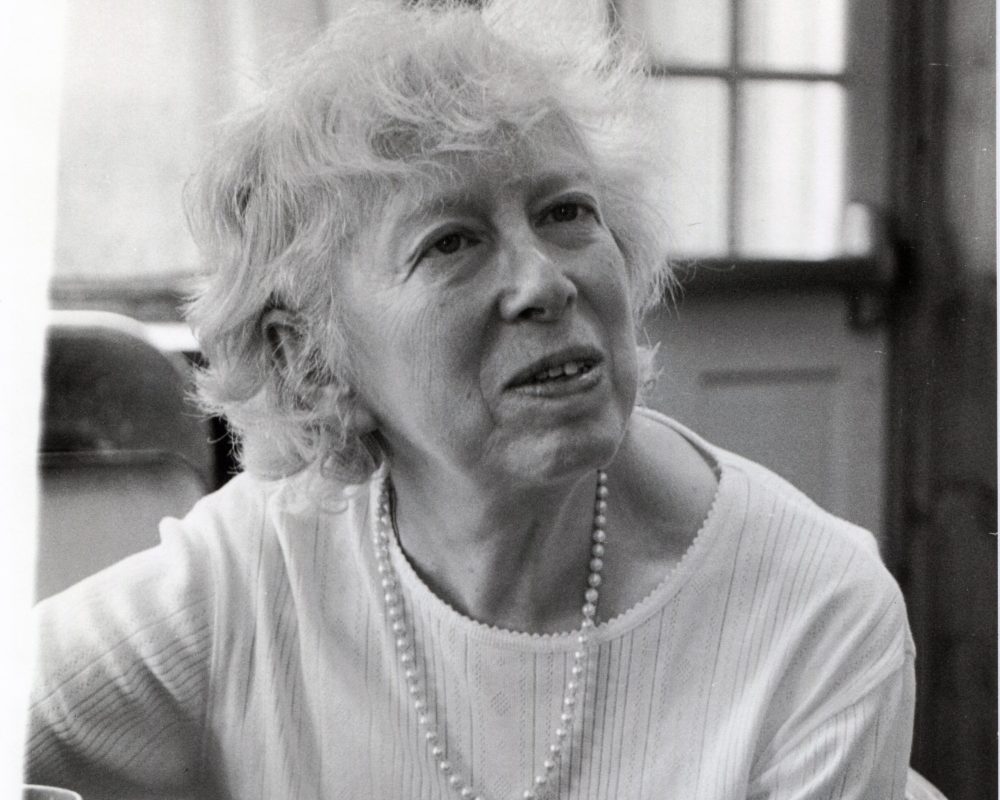
He came to Marlboro for the first of 18 summers in 1963 when he was 70 and married for the first time in 1981 when he was 89. His wife, Italian pianist Bice Costa, remains a valued member of the Marlboro family. While he played many traditional chamber music works, he also introduced the Marlboro community to pieces by such composers as Tovey, Martinů, Pizzetti, D’Indy, and Dallapiccola, many of whom he knew personally. Some of us fondly remember his performances of four-hand works with Rudolf Serkin and the Bach ‘Triple’ concertos in C Major and D Minor with Mr. Serkin, Peter Serkin, and Ruth Laredo, which were recorded by Columbia (SONY).
With failing eyesight in the 1980s, Horszowski was no longer able to play chamber music and concentrated on recitals and concerto appearances. His last performance at Marlboro was in 1982 with the Bach G Minor Concerto led by Felix Galimir. His influence on generations of pianists was evident when, in his 90s, he gave memorable recitals in the Peoples’ Symphony Concerts series at New York’s Town Hall, and for the Philadelphia Chamber Music Society, where one could find the likes of Claude Frank, Richard Goode, Radu Lupu, Murray Perahia, Peter Serkin and Cynthia Raim in the audience.
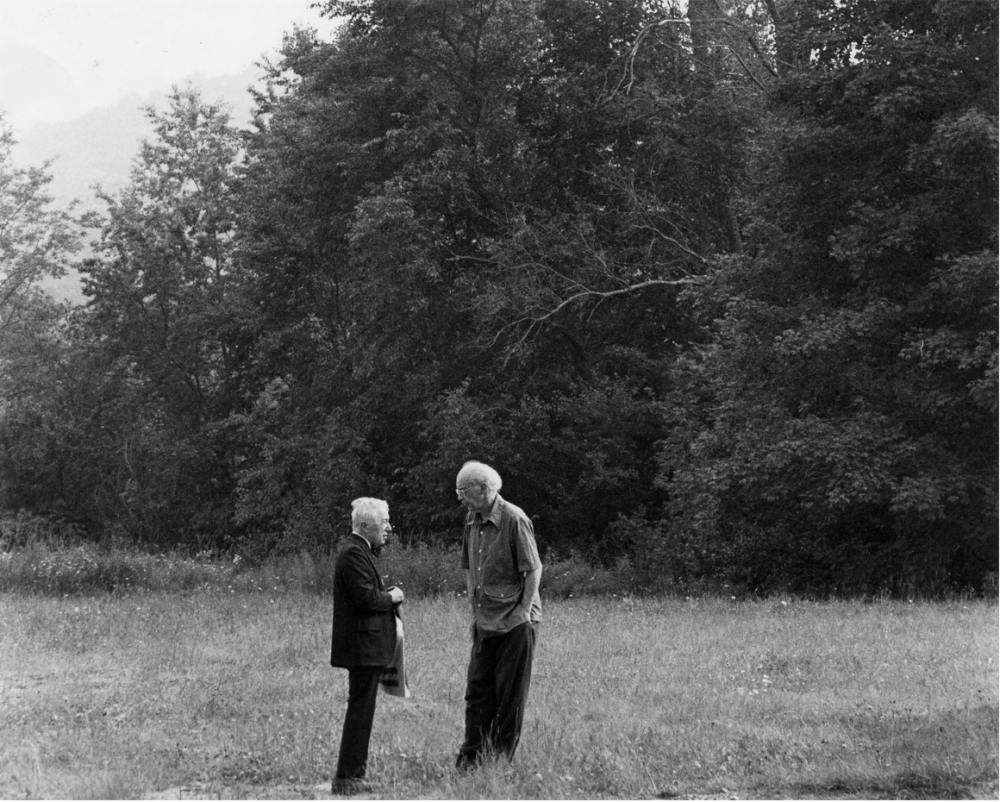
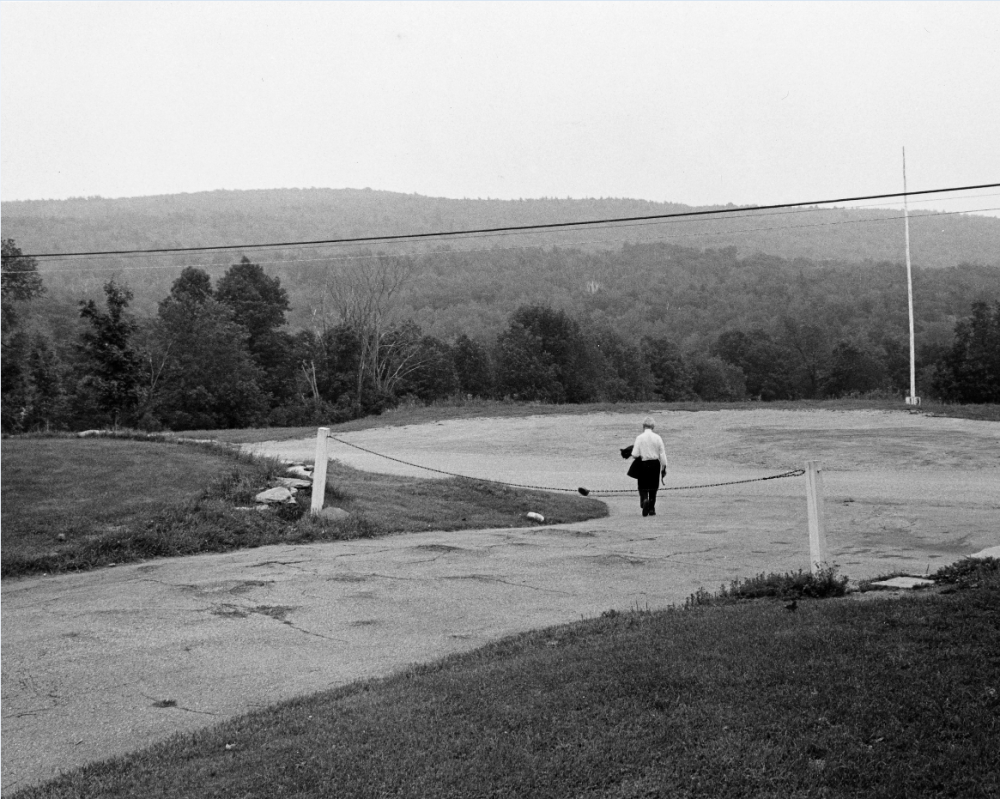
András Schiff was initially attracted to Marlboro by Horszowski’s presence there, and working with him proved to be the highlight of his summer. “I could always go to him and sit on the grass together or accompany him on his walks. We would go through the first book of The Well-Tempered Clavier and he would sing me the themes of the preludes and fugues, explaining their character. Once I asked him: “Mr. Horszowski, why is it that in Marlboro they always complain about my treatment of rubato?” He answered with an angelic voice: ‘You know, we all love our own rubato, but we don’t like the neighbors’ rubato.’ Thank you, Mr. Horszowski.”
We also thank Mr. Horszowski, for his many years of inspiring audiences, younger generations of musicians, and the entire Marlboro Music community.
Watch Mieczysław Horszowski play Mozart’s Sonata No. 12 in F Major, K. 332 in this 1991 recital.
Timeline
Recordings
Enjoy a selection of chamber music recordings from Mieczysław Horszowski’s years at Marlboro, including an absolutely terrific 1969 performance of Schumann’s Piano Quartet in E-flat Major, Op. 47; a recording of Ildebrando Pizzetti’s rarely-heard Piano Trio in A Major with violinist Pina Carmirelli and cellist Leslie Parnas; Horszowski’s final Marlboro performance, of Bach’s Concerto in G Minor, BWV 1058, at the age of 90; and a recording of Beethoven’s Three Marches, Op. 45 (commercially released on Bridge Records for Marlboro’s 50th Anniversary) with Cecile Licad.
Audio Recordings from Marlboro
Schumann: Piano Quartet in E-flat Major, Op. 47
Pizzetti: Piano Trio in A Major
Performed by Mieczyslaw Horszowski, piano; Pina Carmirelli, violin; Leslie Parnas, cello in 1968
Bach: Concerto in G Minor for Clavier, Strings and Basso Continuo, BWV 1058
Performed by Mieczyslaw Horszowski, piano, and the Marlboro Orchestra led by Felix Galimir in 1982
Gallery
Click any of the pictures below to view an enlarged version complete with additional quotes in the captions.
![“[W]hat he brought to us all, to all the listeners and to the musicians and music lovers was a rigorously honest music making, where he, Mieczysław Horszowski, was not on the forefront. It was the piece of music he was playing, and Miecio Horszowski happens to be playing it.” —Mitsuko Uchida<br>
<i>Rudolf Serkin, Mieczysław Horszowski, Ruth Laredo. Photo by Fred Plaut.<i>](https://www.marlboromusic.org/wp-content/uploads/2021/08/Rudolf-Serkin-Mieczyslaw-Horszowski-Ruth-Laredo.-Photo-by-Fred-Plaut..jpg)
!["He was, most of his life, under the radar: a musician's musician that all musicians knew and respected and loved... [H]is artistry lay in the subtlest of details, in little dropperfuls sometimes. There would be a beautiful simple passage and two notes would be slightly louder or softer and it just made the whole thing." —Arnold Steinhardt<br>
<i>Photo by Woodrow Leung. 1976.</i>](https://www.marlboromusic.org/wp-content/uploads/2021/08/Horszowski.-Photo-by-Woodrow-Leung.-1976.-e1636665506377.png)
![“[H]e had the curiosity to uncover unusual works and work on them very hard with people and perform them. I’m sure it’s the first time we heard many of these things, and they were always of interest, sometimes more, sometimes less, but they always were worthy of having been worked on and listened to. He was the kind of person who never imposed himself on anything, yet he was always tremendously active. [...] His playing was full of tremendous sensitivity and wonder." —Samuel Rhodes<br>
<i>Mieczysław Horszowski and Yuuko Shiokawa. Photo by George Dimock.</i>](https://www.marlboromusic.org/wp-content/uploads/2021/08/Horszowski-Yuuko-Shiokawa.-Photo-by-George-Dimcock.-e1636665641783.png)
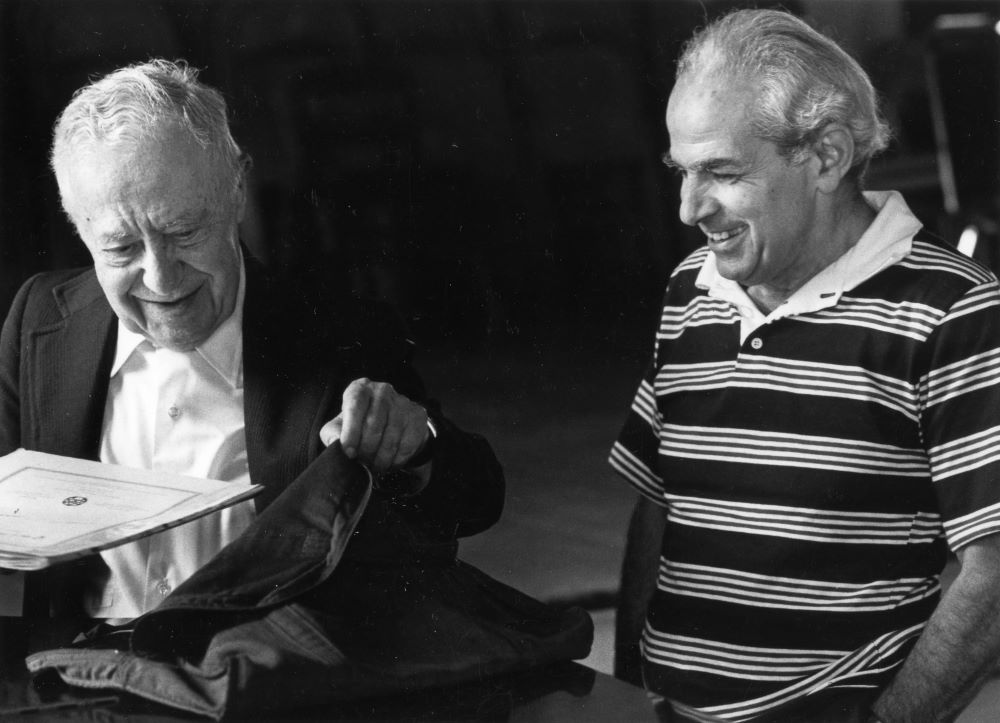
!["[H]e just turned to the beginning and said let us play. And we played and it was nothing to do with rehearsal or he was coaching me. He wanted me to have the chance to play as many Mozart sonatas as possible. So we read many of them, especially the early ones [which] are quite short, only two movements, so it doesn’t take much time to read. So we read, and I have no clue of what he thought I was playing like, but he was very gentle. He didn’t say it’s great, he didn’t say that. He just said, "Oh, isn’t this beautiful music," and go to next sonata. [...] We just kept reading and that was a dream and I was feeling like I was walking on a cloud.” — Hiroko Yajima. <br><i>Photo by Allen Cohen.</i>](https://www.marlboromusic.org/wp-content/uploads/2021/08/Horszowski.-Photo-by-Allen-Cohen.-2.jpg)
!["Horszowski is someone who had a great influence on me. I knew him through his recordings. [...] The clarity of thought and purity of expression are really something to hear. [...] There's nothing added anywhere, it's just the essence of the music expressed in its purest possible form." —Jonathan Biss<br><i>Mieczysław Horszowski, Blanche Honegger Moyse. Photo by George Dimock.</i>](https://www.marlboromusic.org/wp-content/uploads/2021/08/AK-26.jpg)
![“As I remember [Horszowski's] actual piano lessons, he wasn’t particularly forceful in his ideas; it was more a kind of exploration. Many times he would sit at the piano and try things—it was almost as if he were there practicing by himself. One could learn a lot from that, observing how carefully he was hearing things, examining the music. I think that I’ve learned so much from Horszowski, but mainly from hearing him play.... He was a remarkable musician, a very great pianist—but quite unknown until his last ten years..... I think his playing was getting better and better, although there are wonderful tapes of earlier days. I had known him ever since I was a child—I used to hear him at the Casals festival and at Marlboro, and I always appreciated him.” —Peter Serkin (quoted in <em>Piano Today</em>, Winter 1988/89, h/t Kurt Anderson)<br><i>Peter Serkin, Mieczysław Horszowski. Photo by George Dimock.</i>](https://www.marlboromusic.org/wp-content/uploads/2021/08/AK-25.jpg)
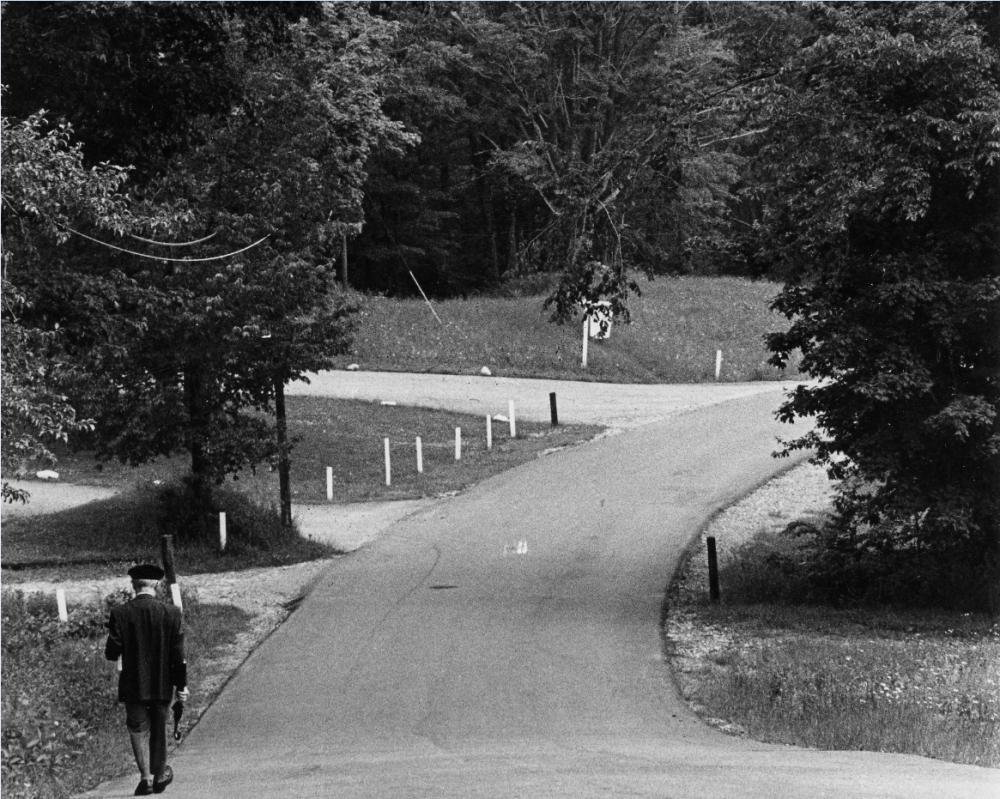
![“We lived a quiet rural life, a quarter mile from the nearest neighbor, but right on South Road, the only paved road to Marlboro College… When we were young, soon after school let out for the summer we would see “the little man” walk by our house every day… We would wave and he would wave back with his enormous hands and a big smile. We asked Mom who he was and she only knew that he was connected to the festival and that he was a pianist. In the summer of 1978, the year I attended the festival, I stopped him out in front of our house, in the middle of that same walk, and told him that I had grown up here, but that this summer […] we would be playing the Fauré together and that the first rehearsal was tomorrow. At this his eyes grew wide with amazement. “You?” “Fauré, with me?” For the next two weeks he would stop every rehearsal at some point to tell the others about me riding my bike back and forth around him as a kid, with all of our smiling and waving. This was, of course, Mr. Horszowski. At the age of 88 he was learning the Fauré G Minor Piano Quartet for the first time, and every day he was delighted with the new things he had discovered in the score.” —Eric Bartlett<br><i>
Sarah Clarke, Eric Bartlett, Joseph Genualdi, Mieczysław Horszowski. Photo by George Dimock.</i>](https://www.marlboromusic.org/wp-content/uploads/2021/08/Gallery_Sarah-Clarke-Eric-Bartlett-Joseph-Genualdi-Horszowski.-Photo-by-George-Dimcock..jpg)
![“[T]he last few concerts of Mr. Horszowski, he would kind of hobble out on stage, and the minute he was at the piano, magically, he was transformed.” —Philipp Naegele<br><i>
Photo by Woodrow Leung.</i>](https://www.marlboromusic.org/wp-content/uploads/2021/08/Gallery_Horszowski.-Photo-by-Woodrow-Leung..jpg)